Tabriz hand-knotted Persian Rugs and Carpets
Collection list


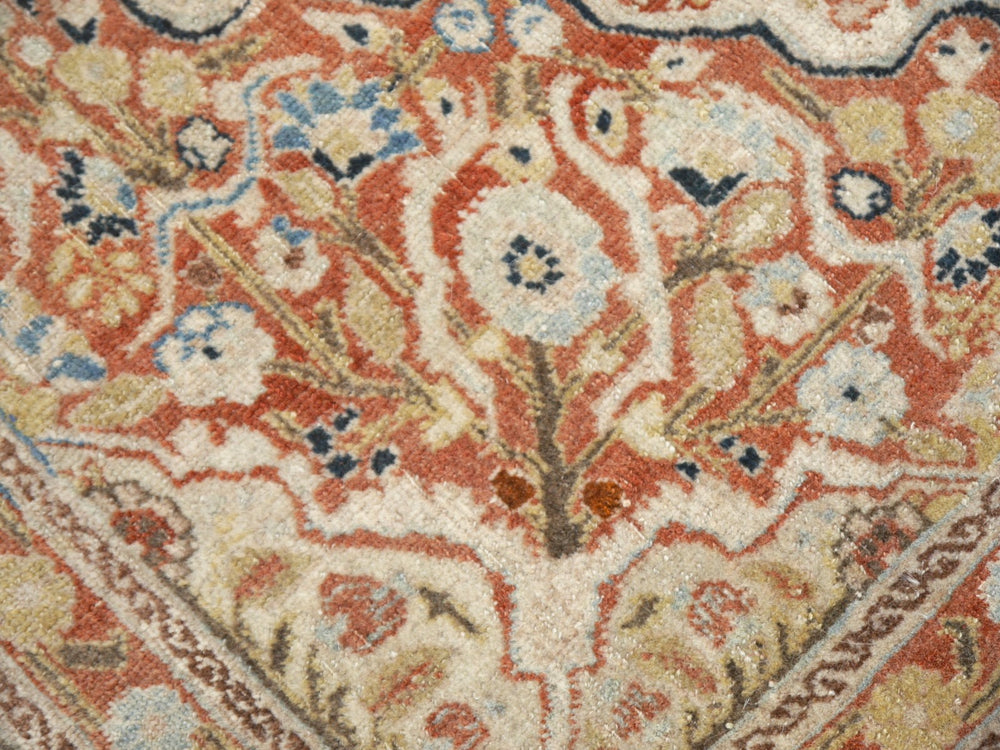
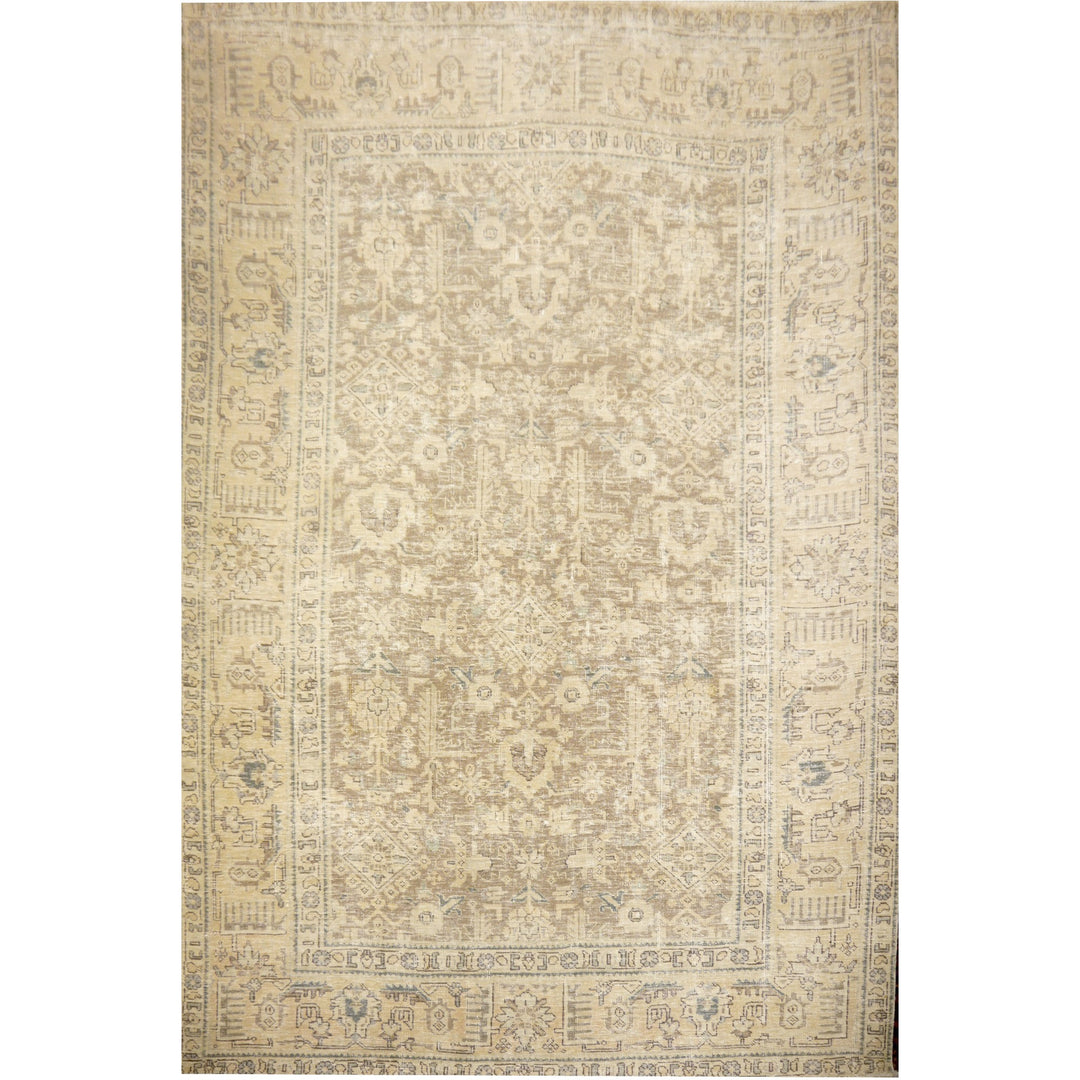
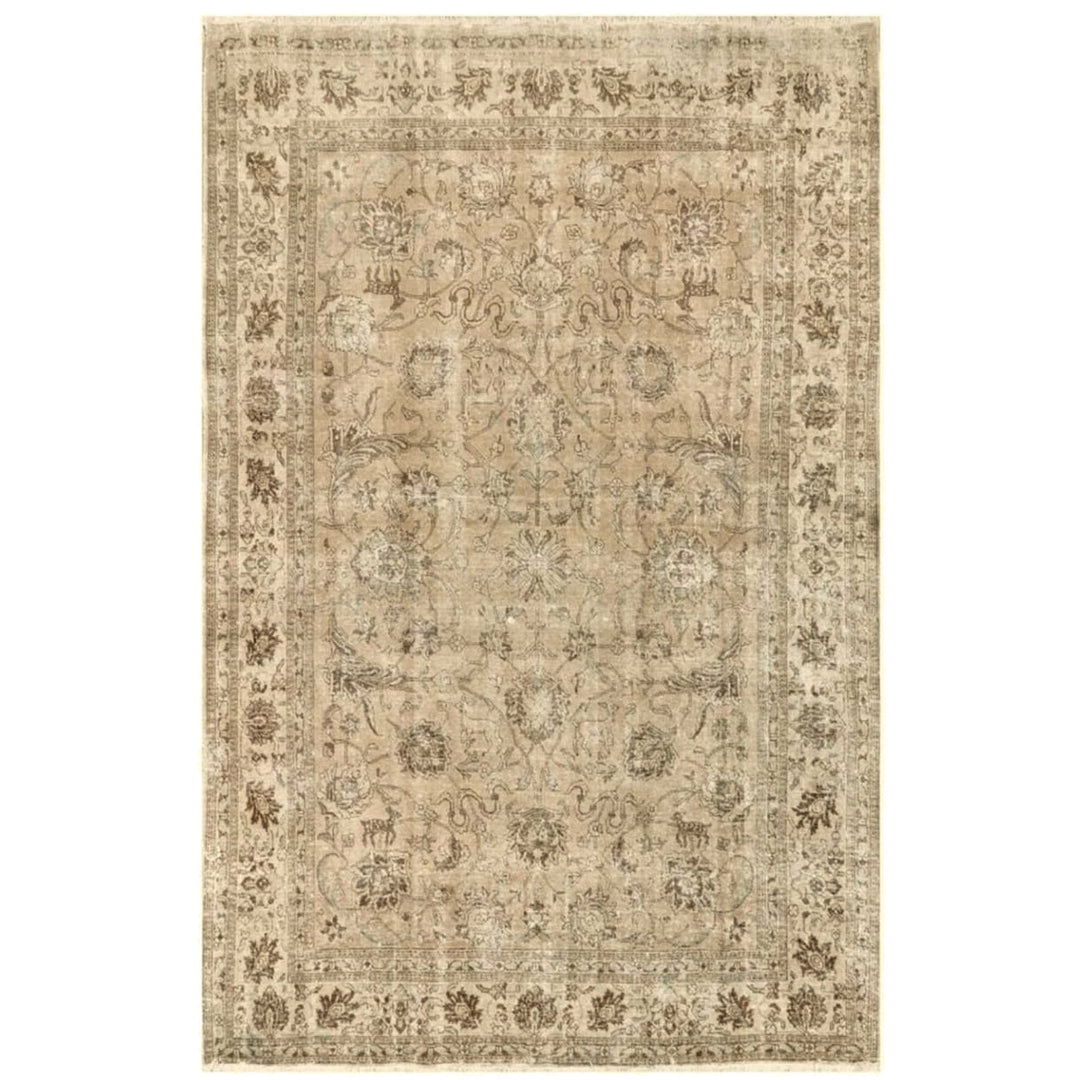
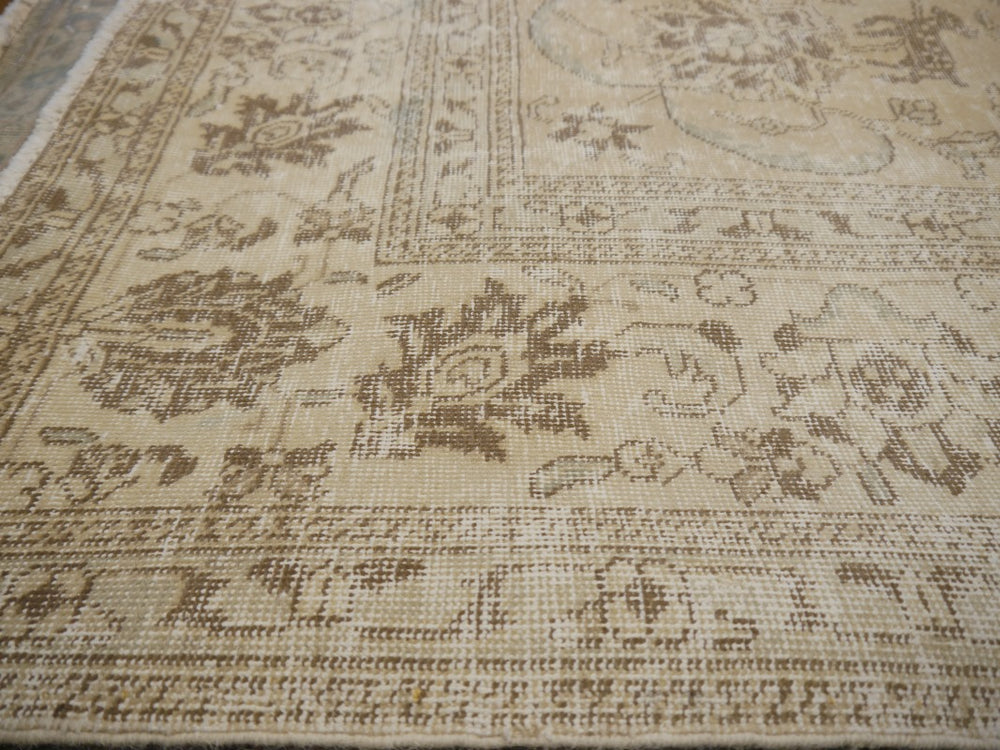
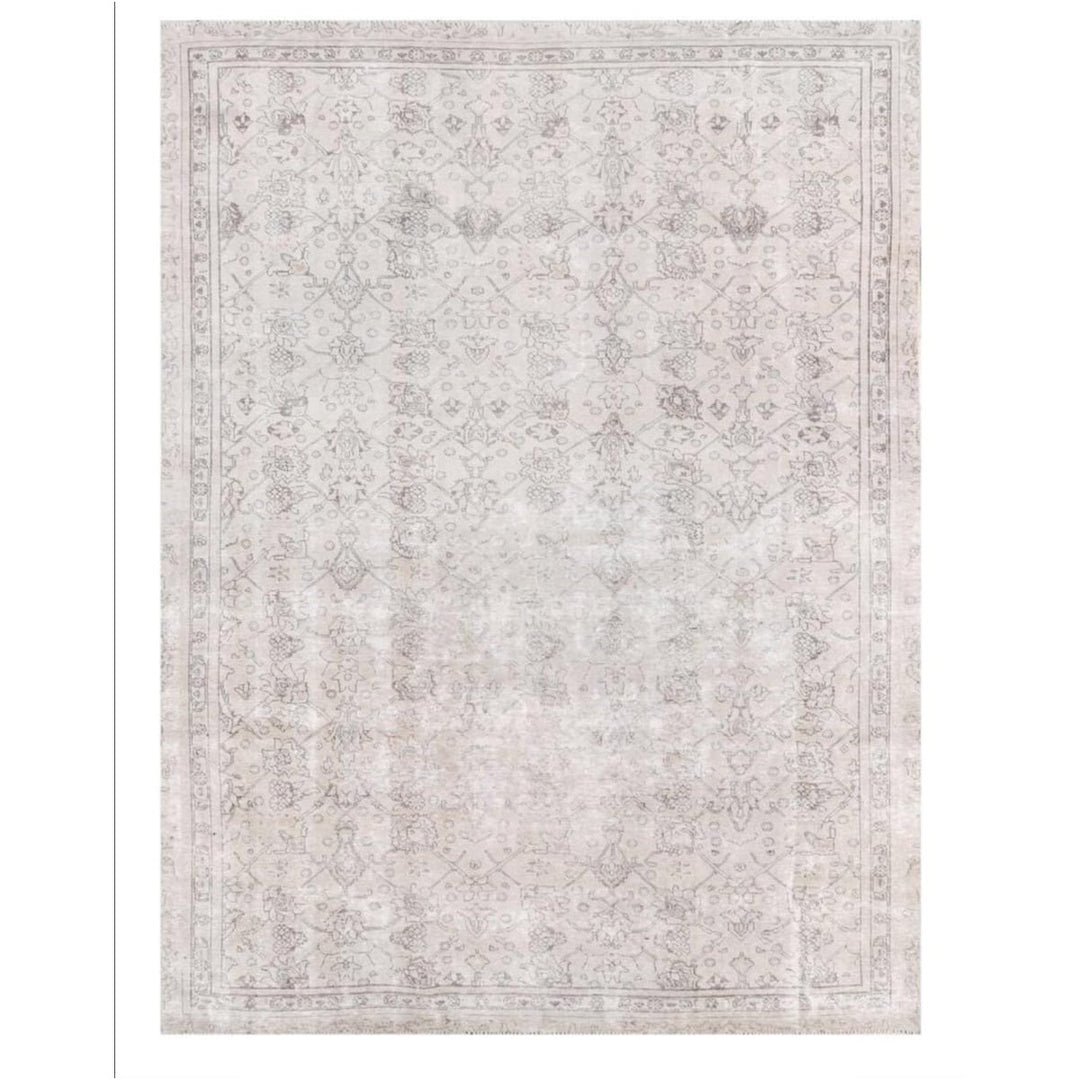
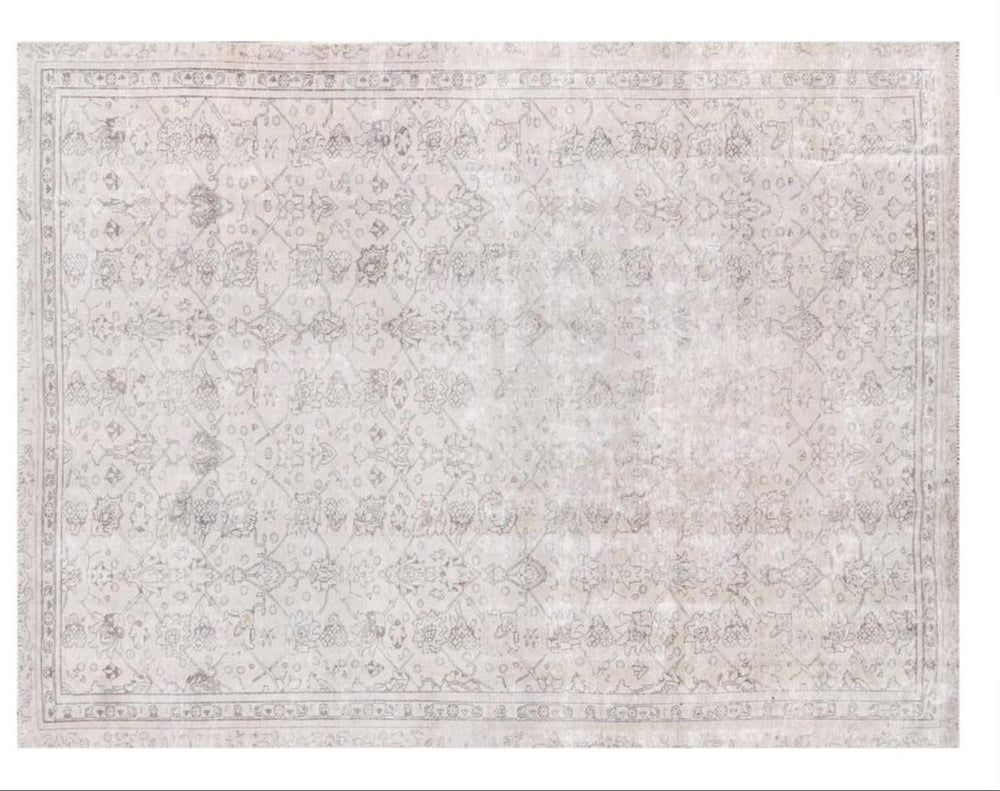
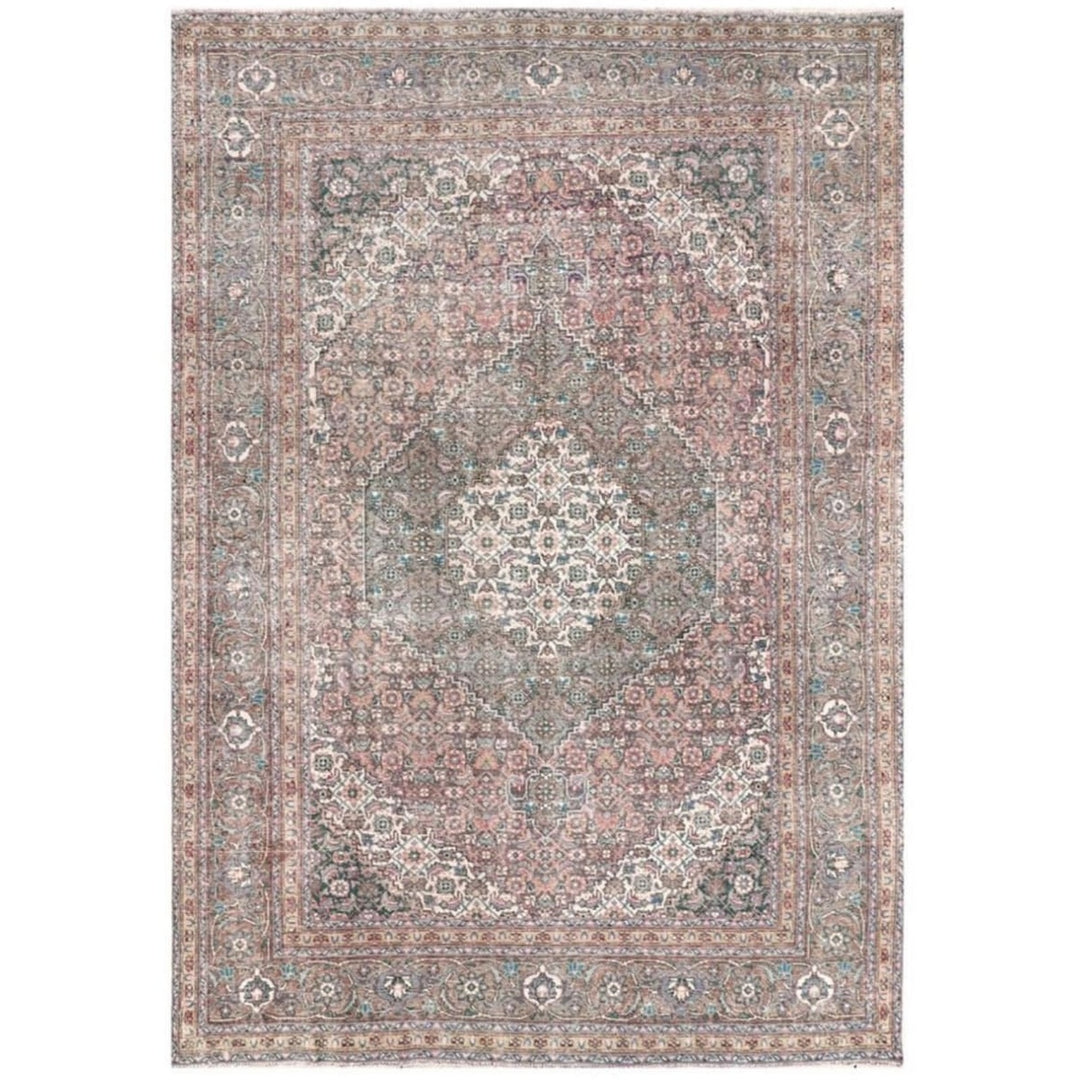
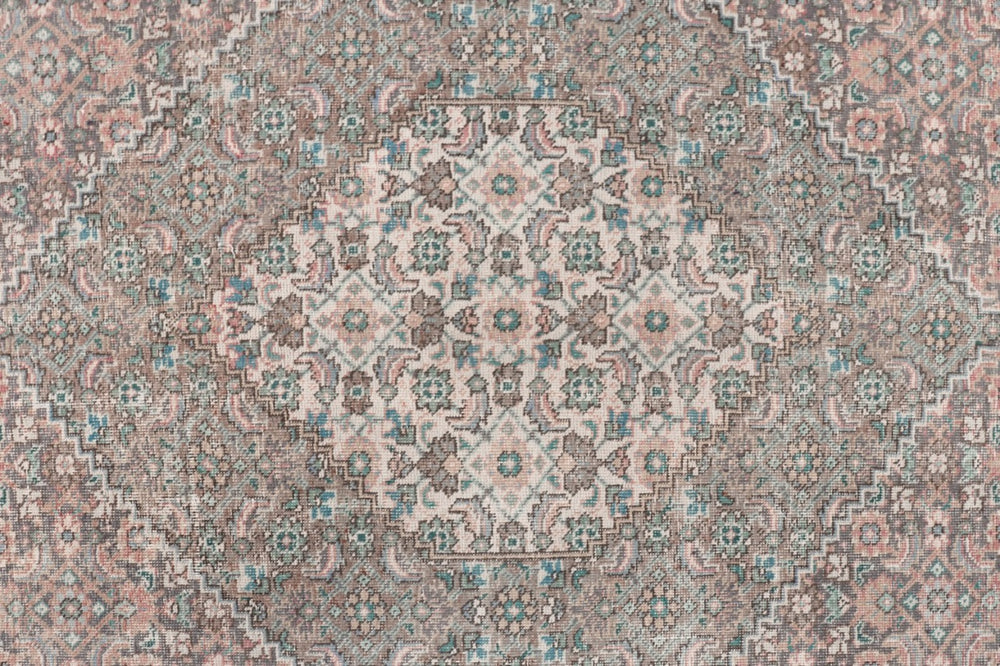
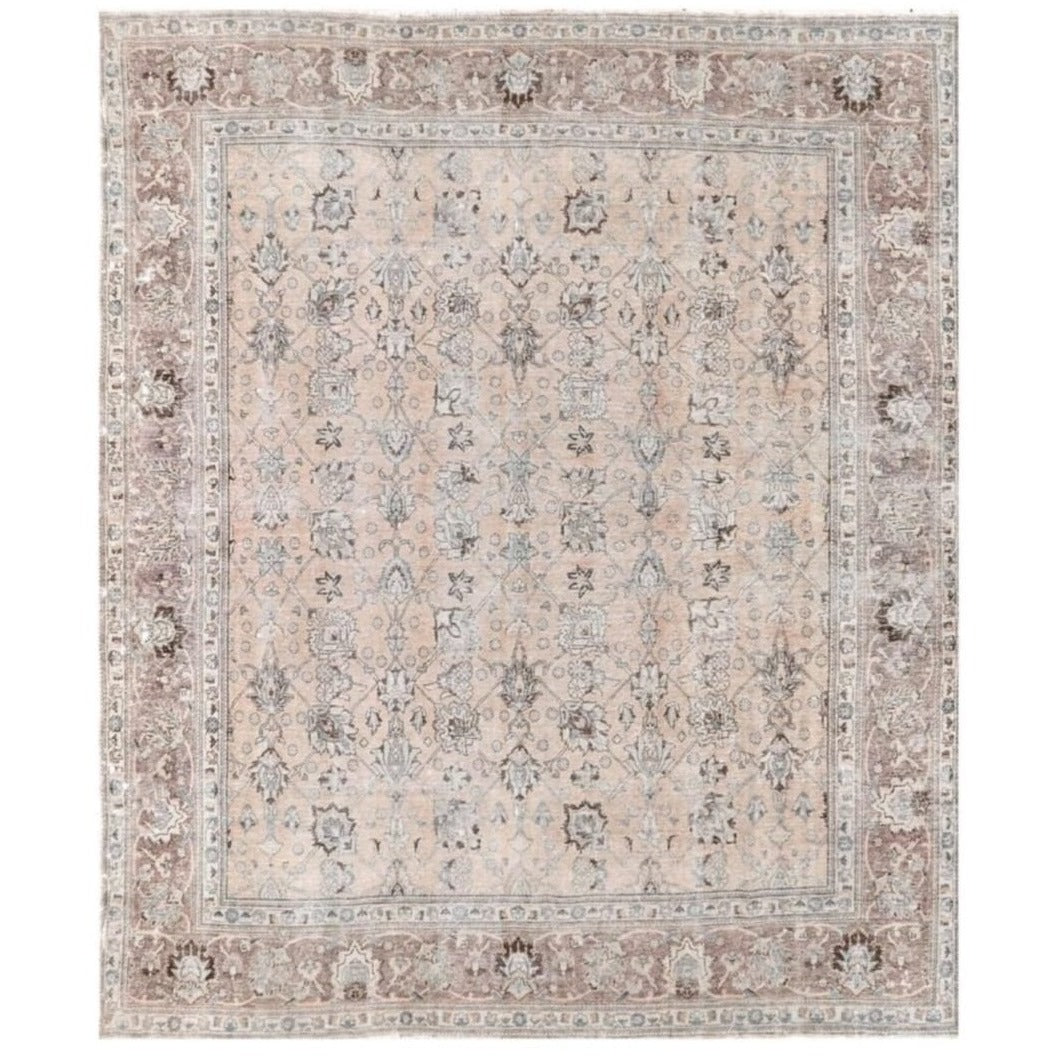
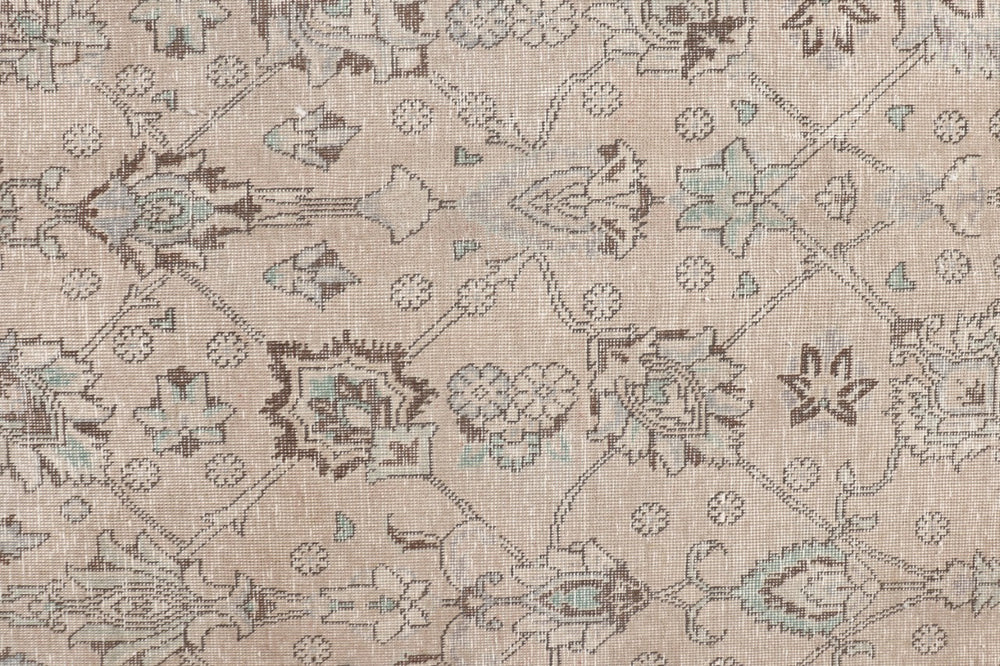
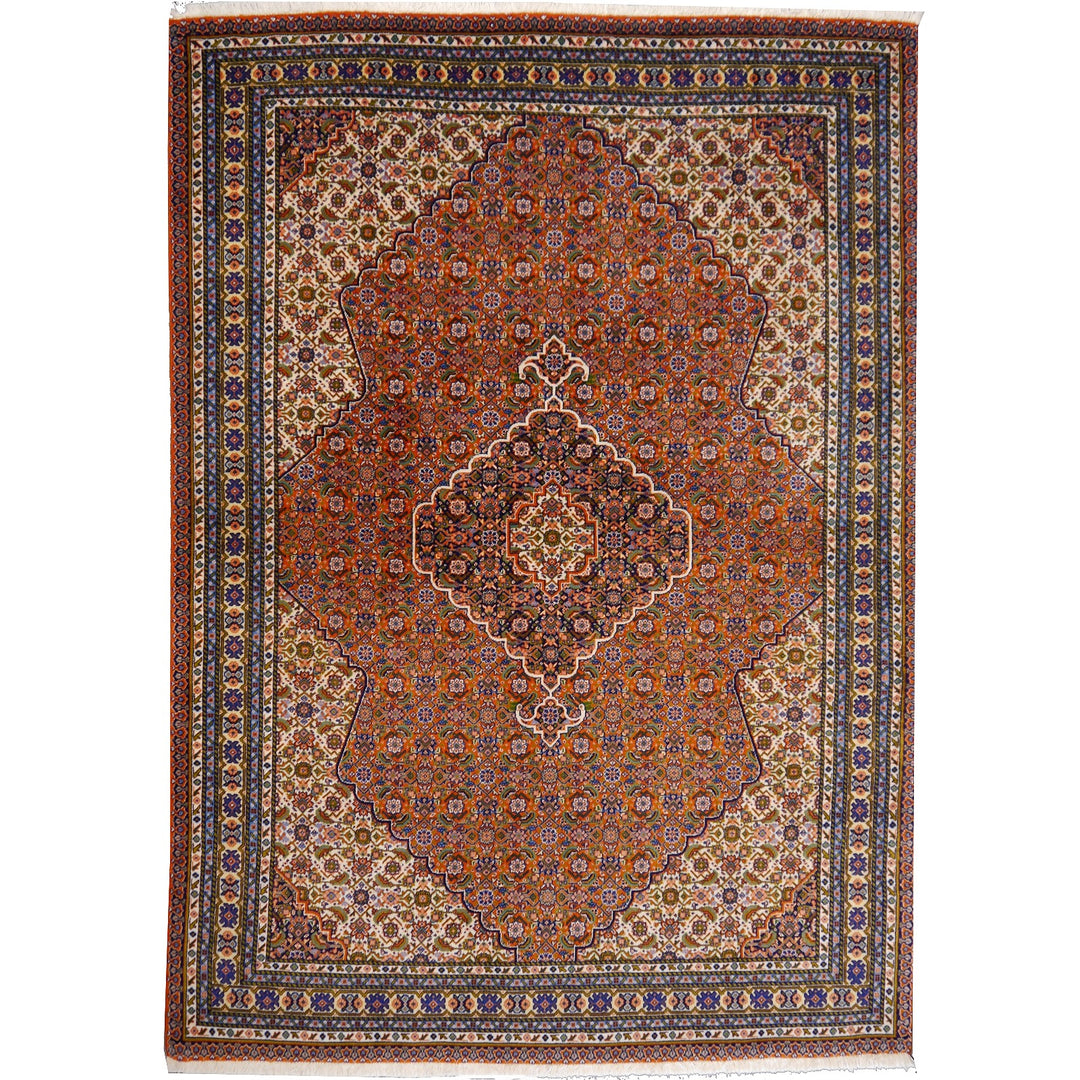
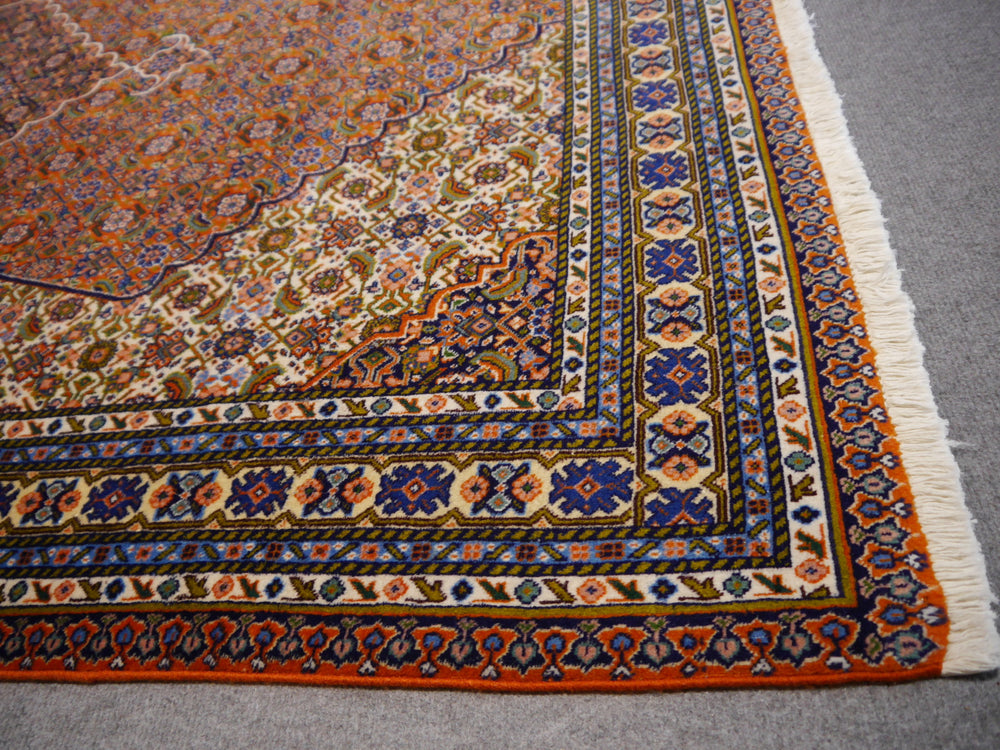

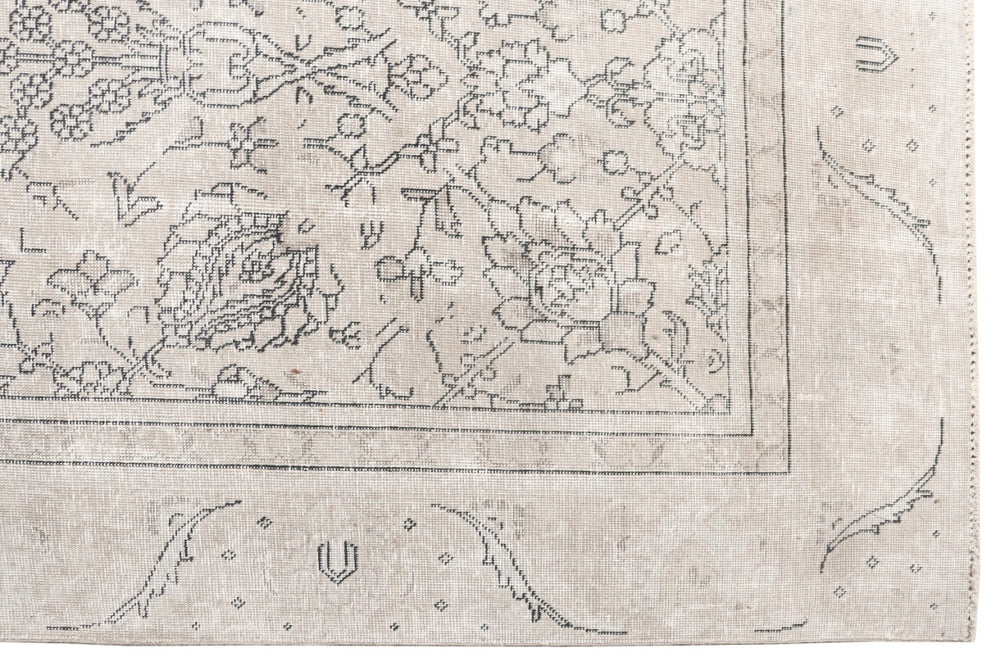
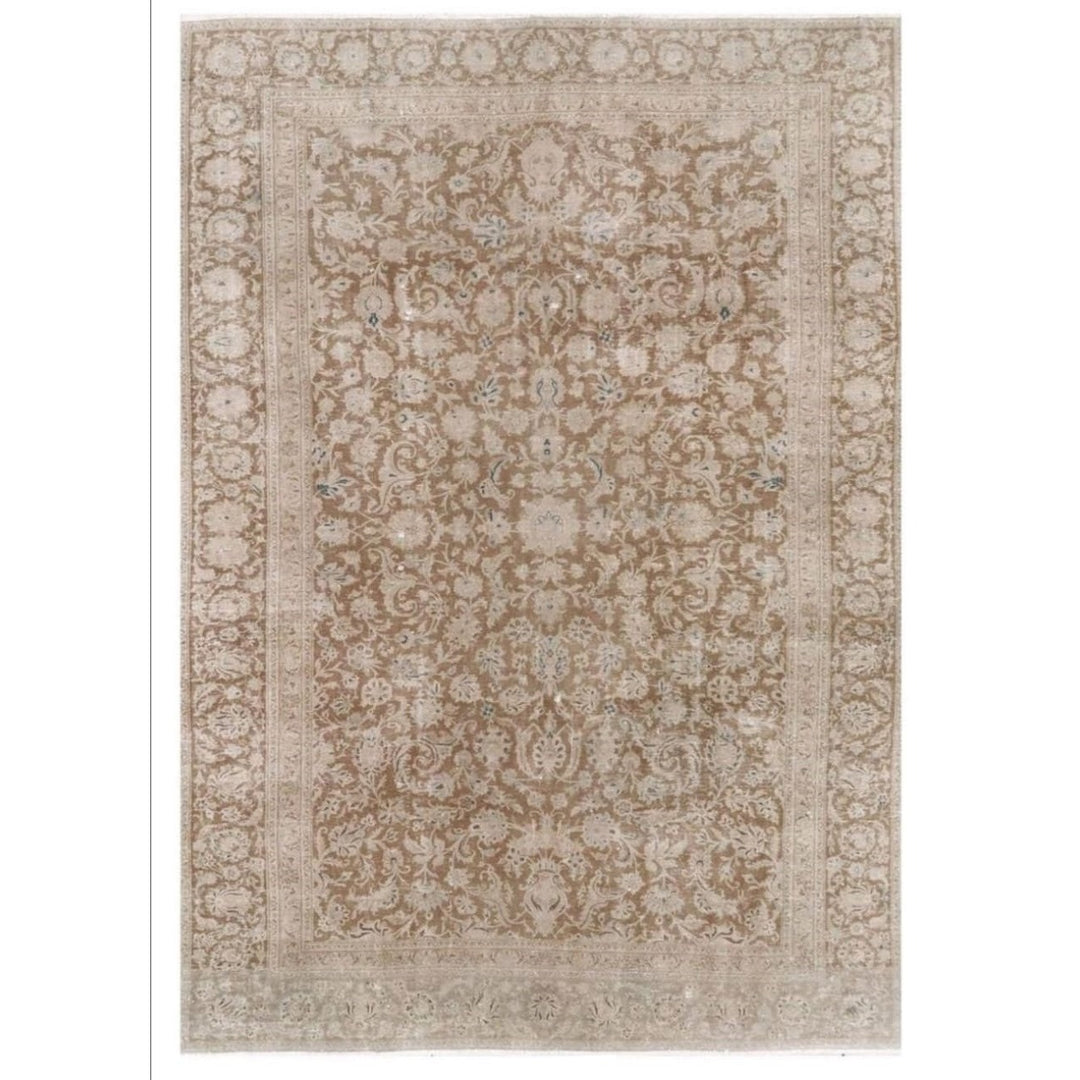
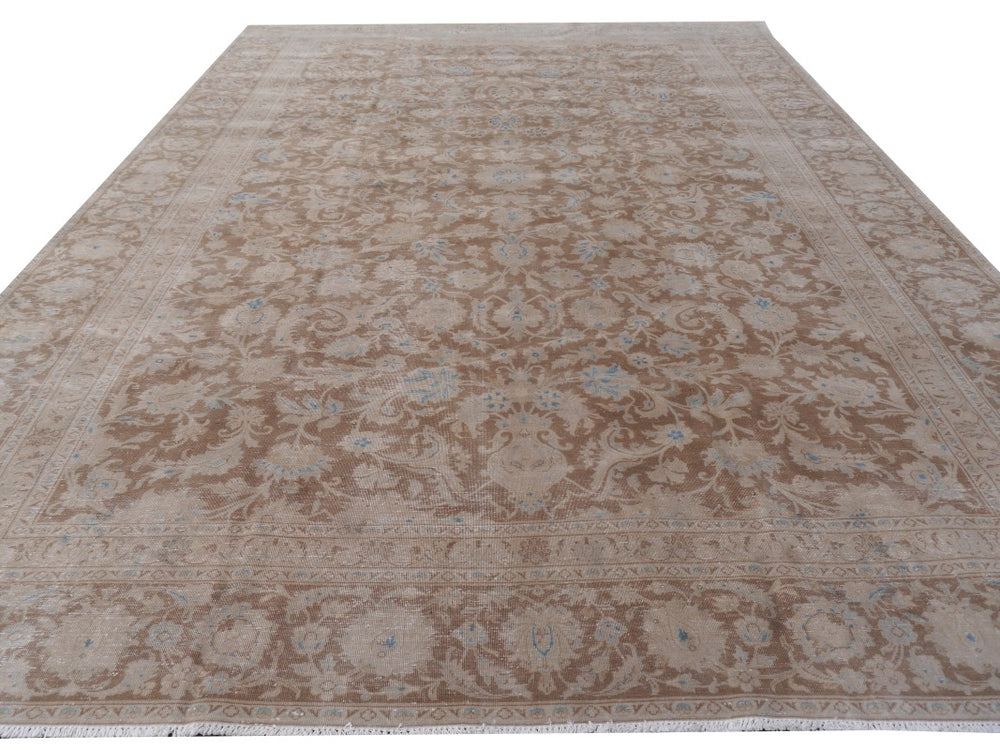
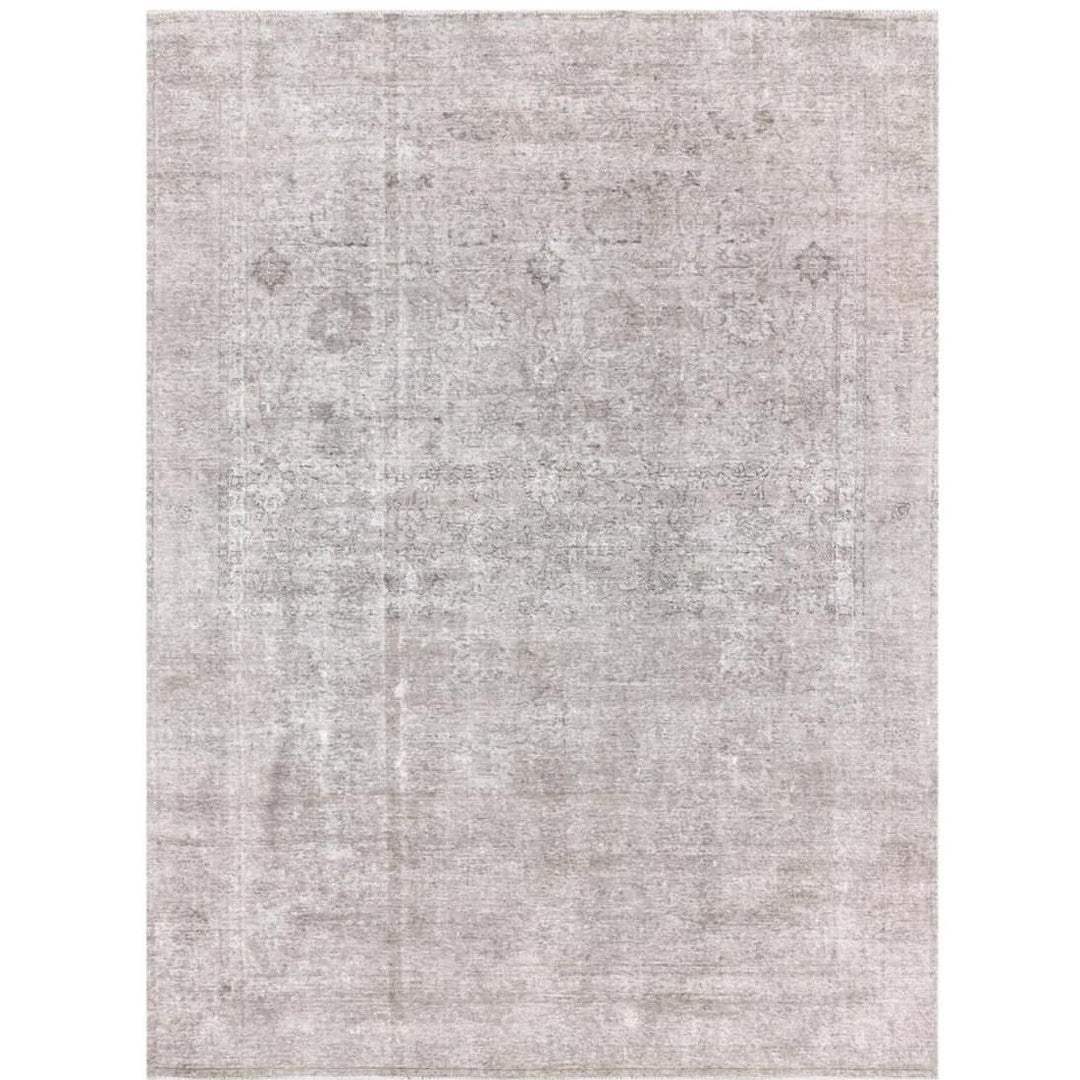
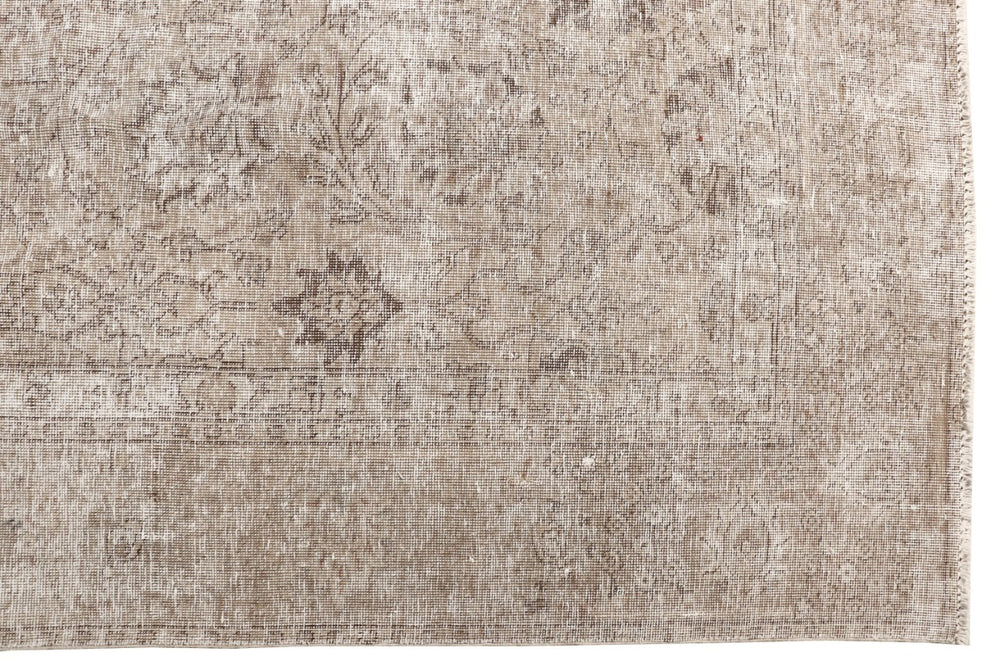
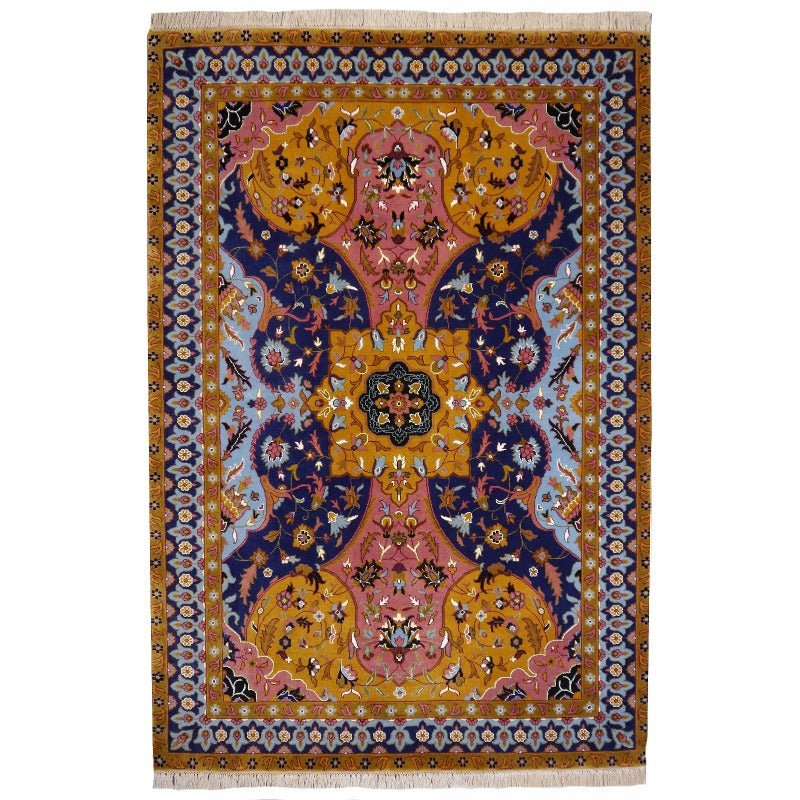
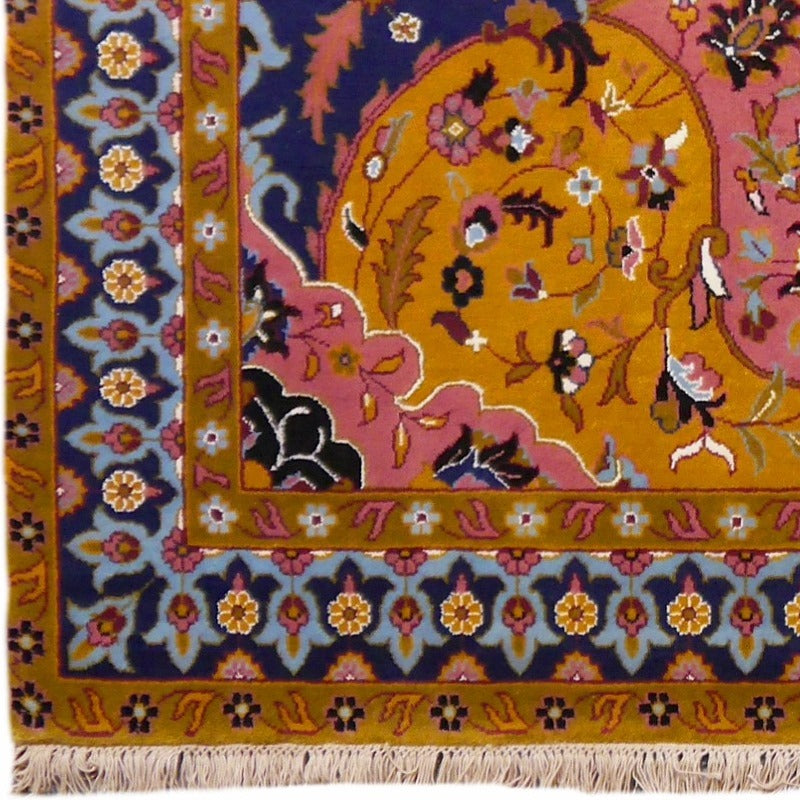
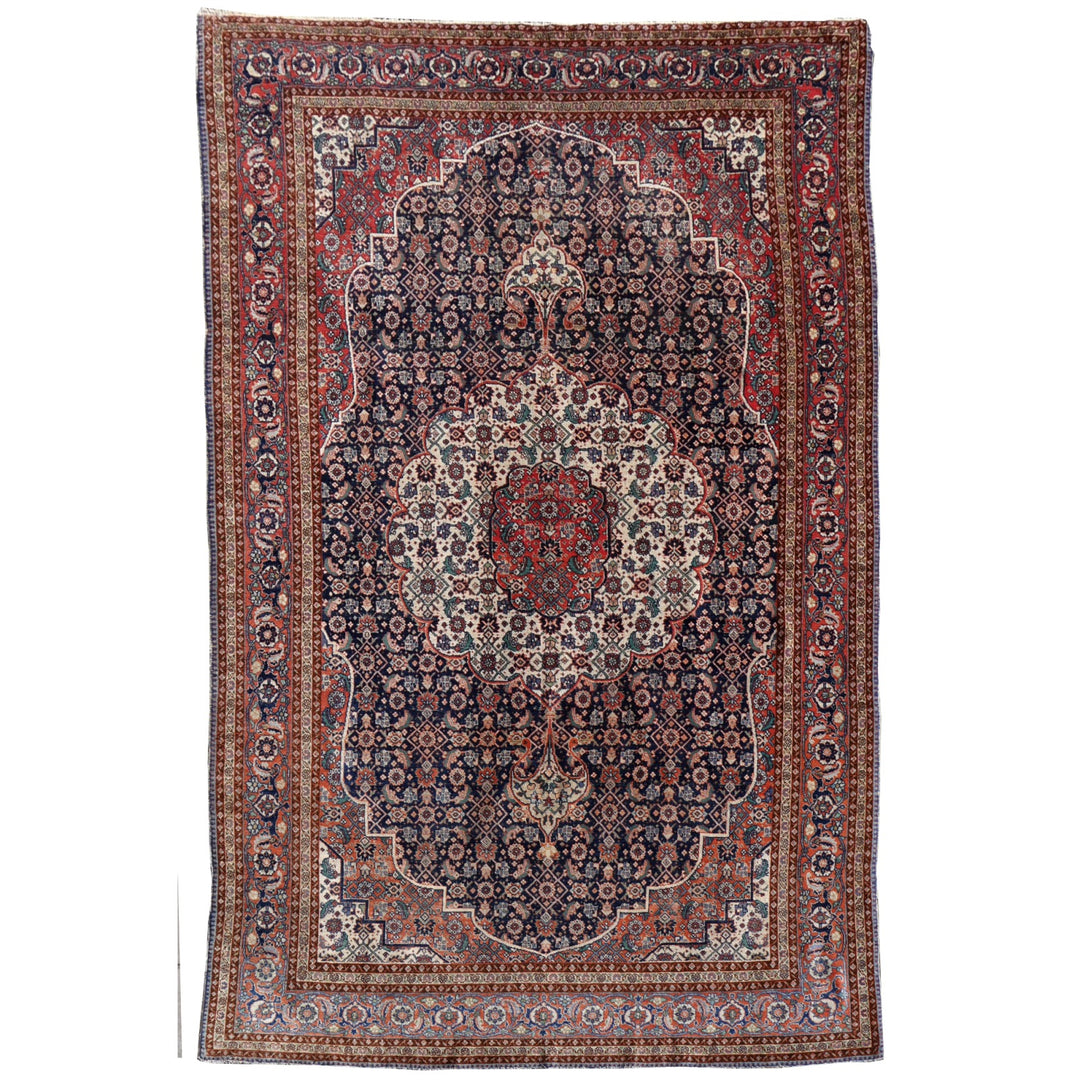
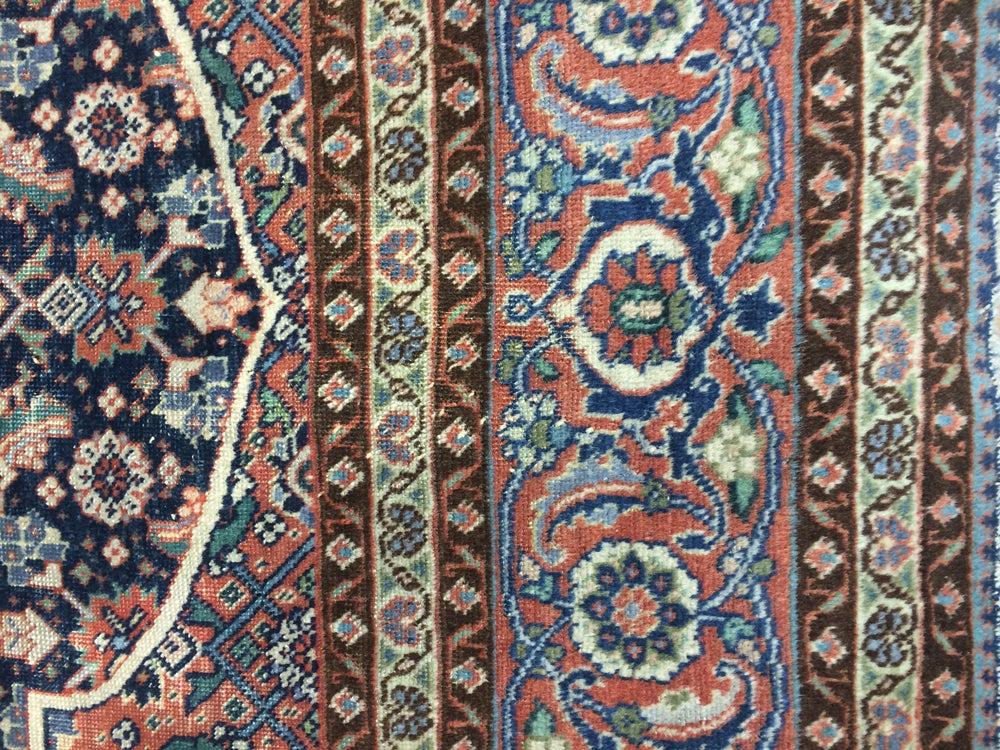
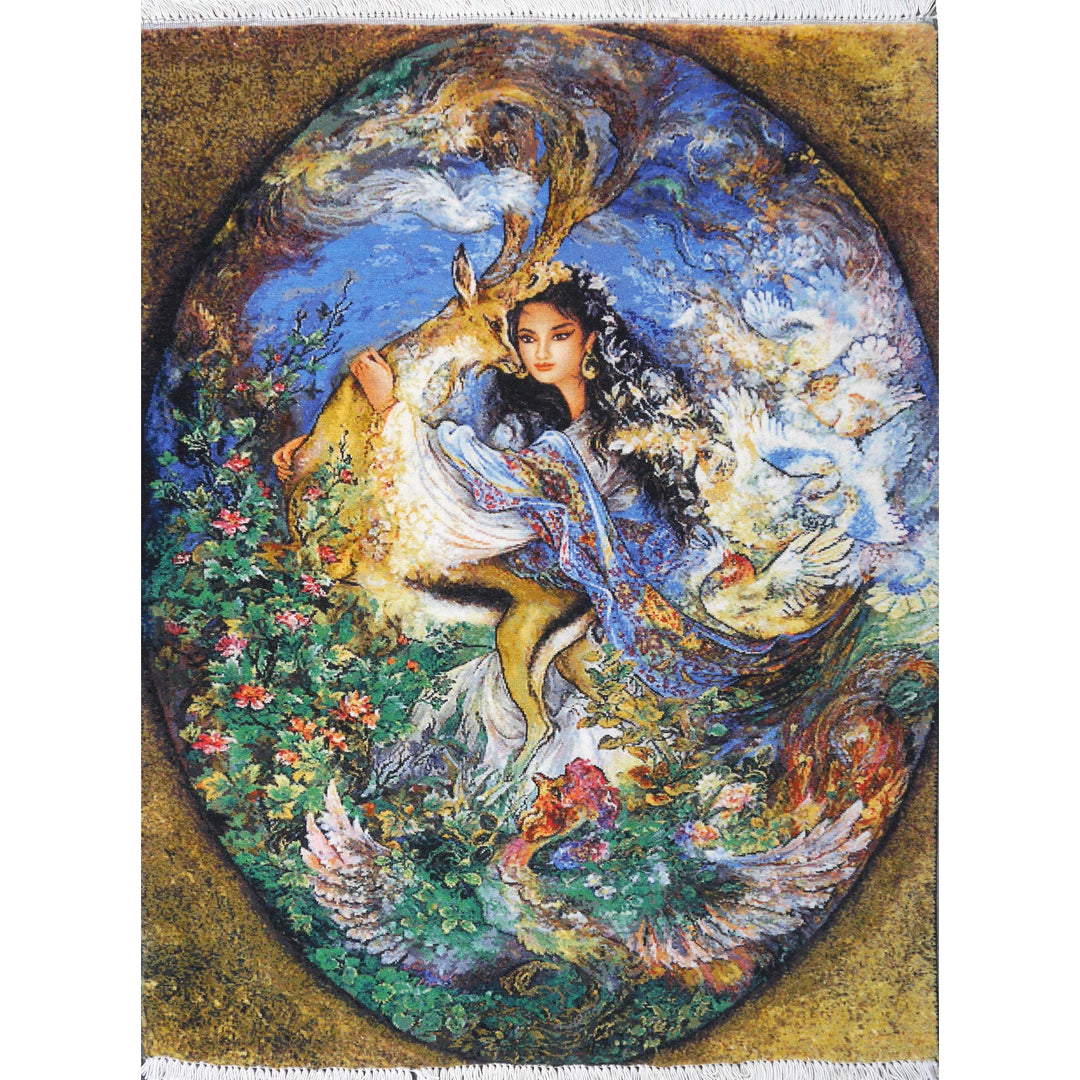
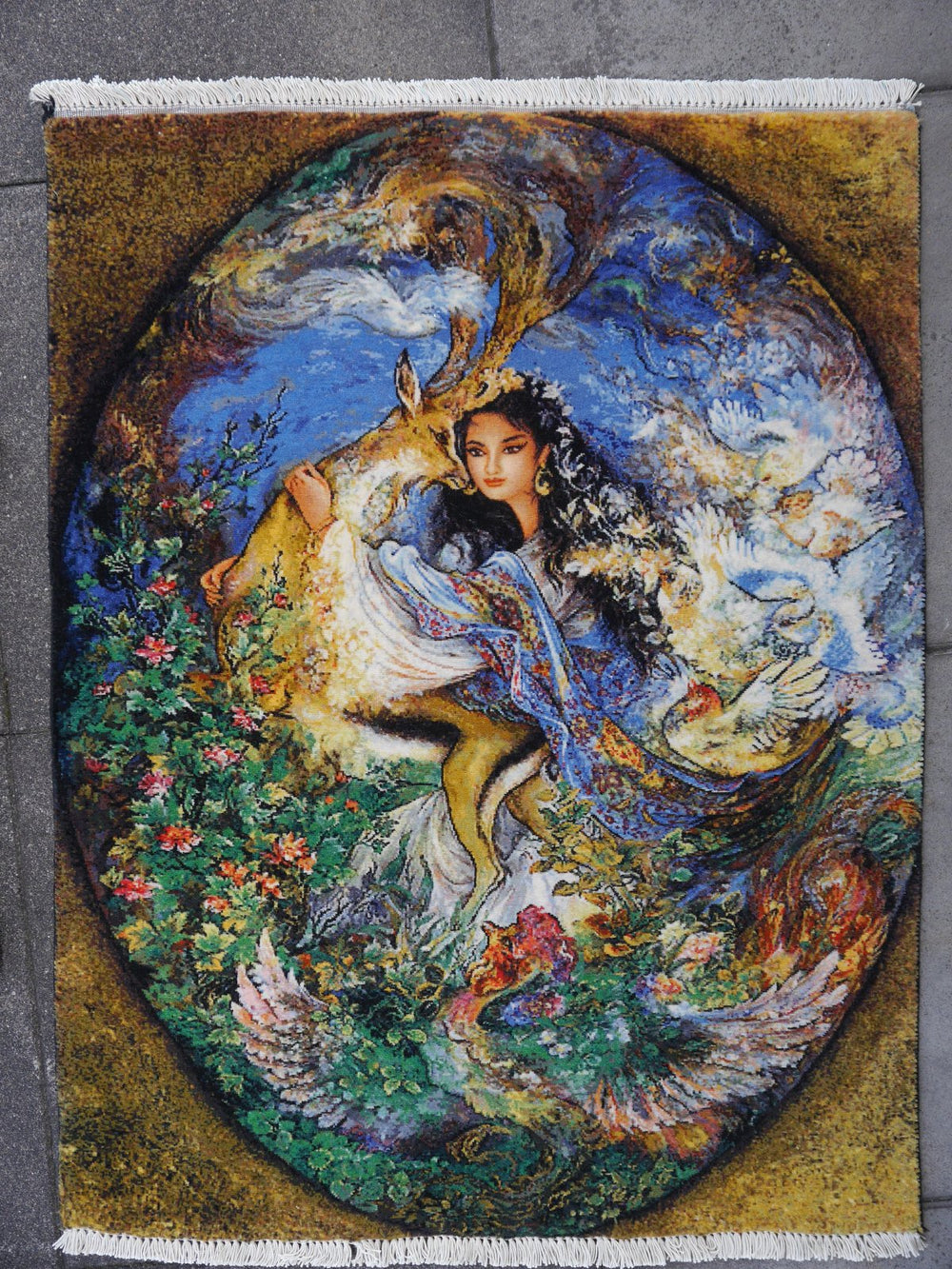


Tabriz Rugs: A Study in Persian Weaving Excellence
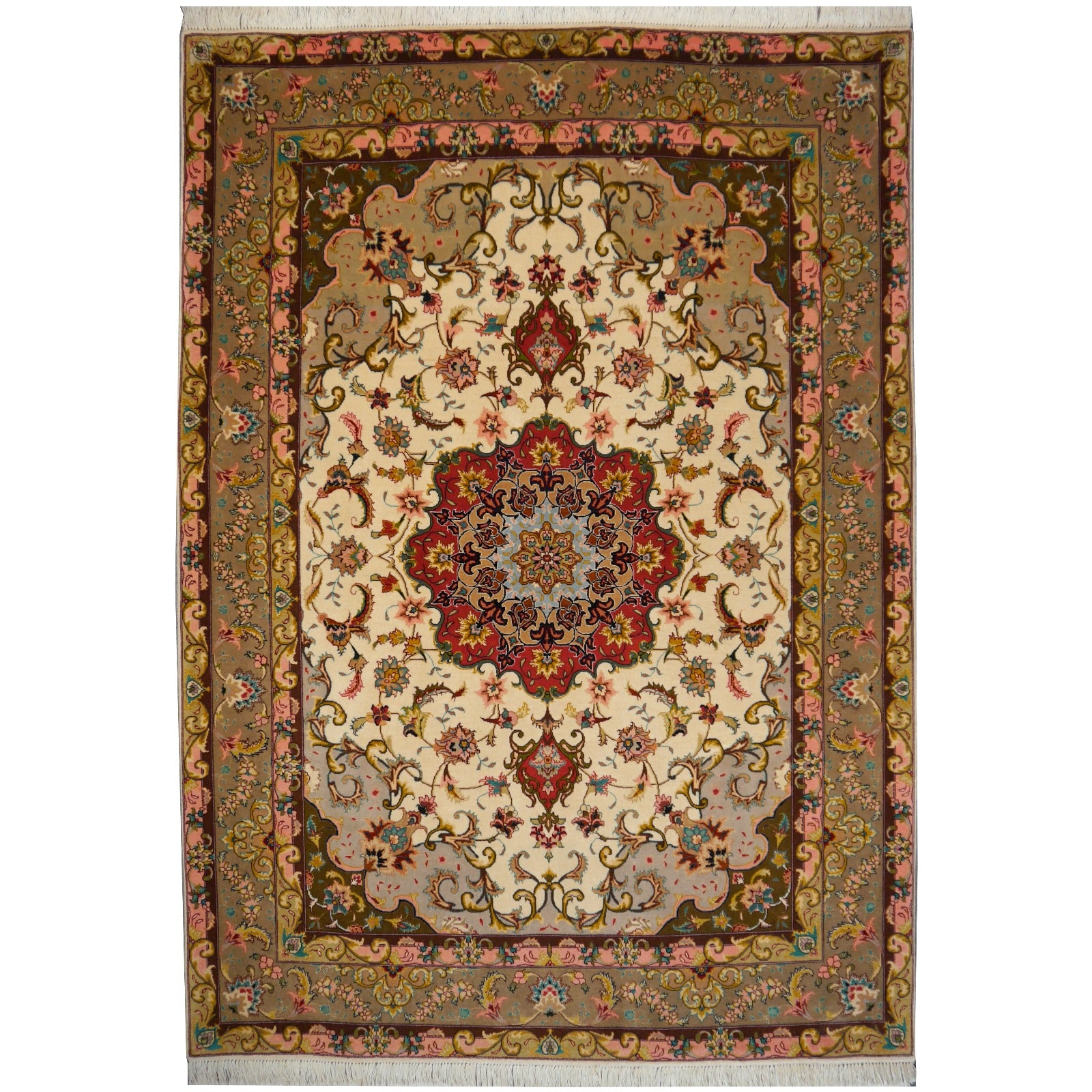
"A refined balance of Safavid tradition and architectural precision—the Tabriz carpet is a foundational element for discerning collections."
The Provenance of Tabriz Weaves
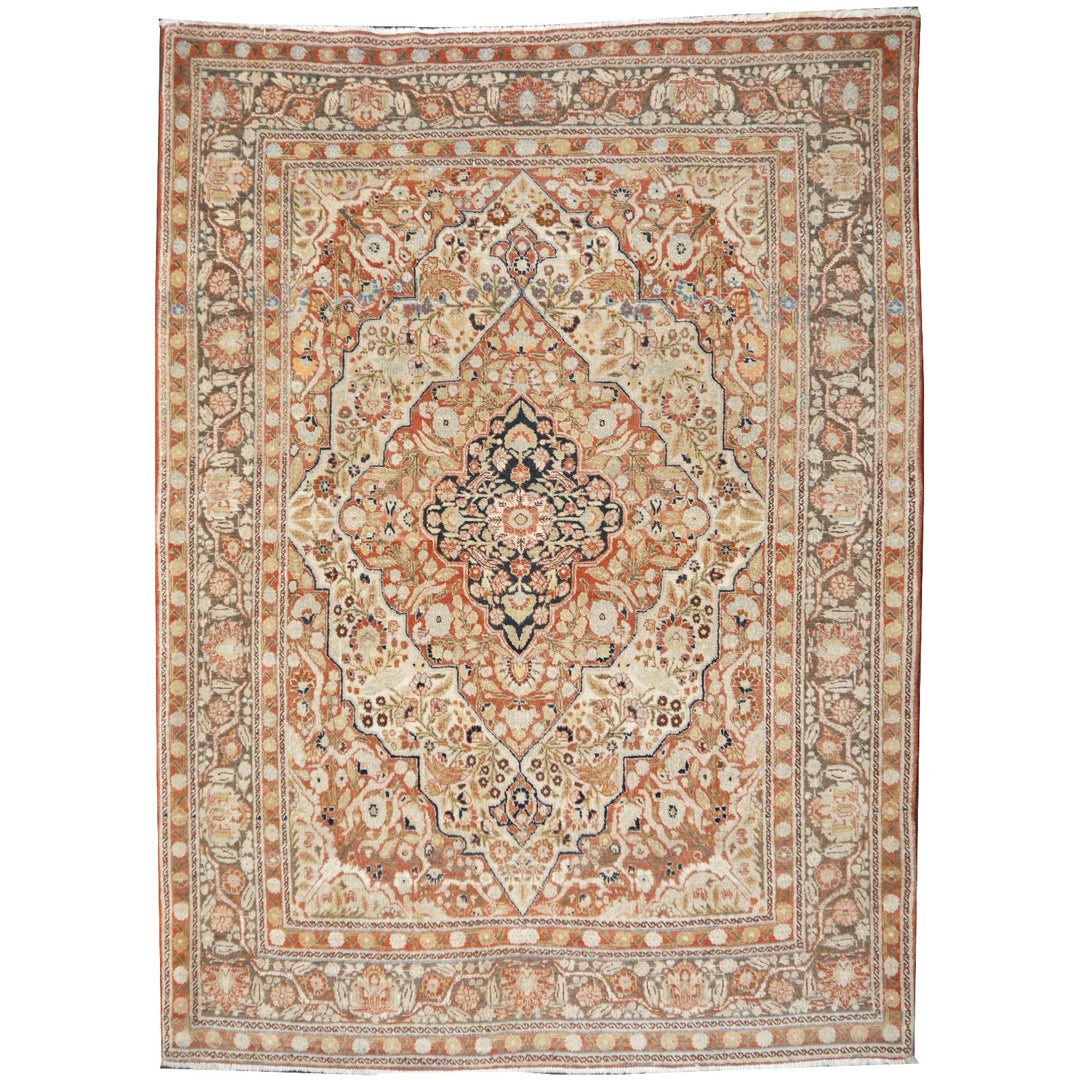
Tabriz, located in Northwest Persia, holds a distinguished position as a UNESCO "World City of Carpet Weaving." The region's history, dating back to the 16th-century Safavid workshops, is defined by a transition from tribal motifs to highly structured, urban designs. Tabriz rugs are noted for their use of the symmetrical Turkish knot, which allows for the intricate execution of patterns such as the Mahi (Herati) and complex floral medallions.
For academic and technical reference, the evolution of these textiles is documented in the Jozan Carpet Encyclopedia. This standard of craftsmanship has led Tabriz pieces to be featured in prominent global institutions, including the Victoria and Albert Museum (V&A) and the Louvre.
Understanding the Raj System
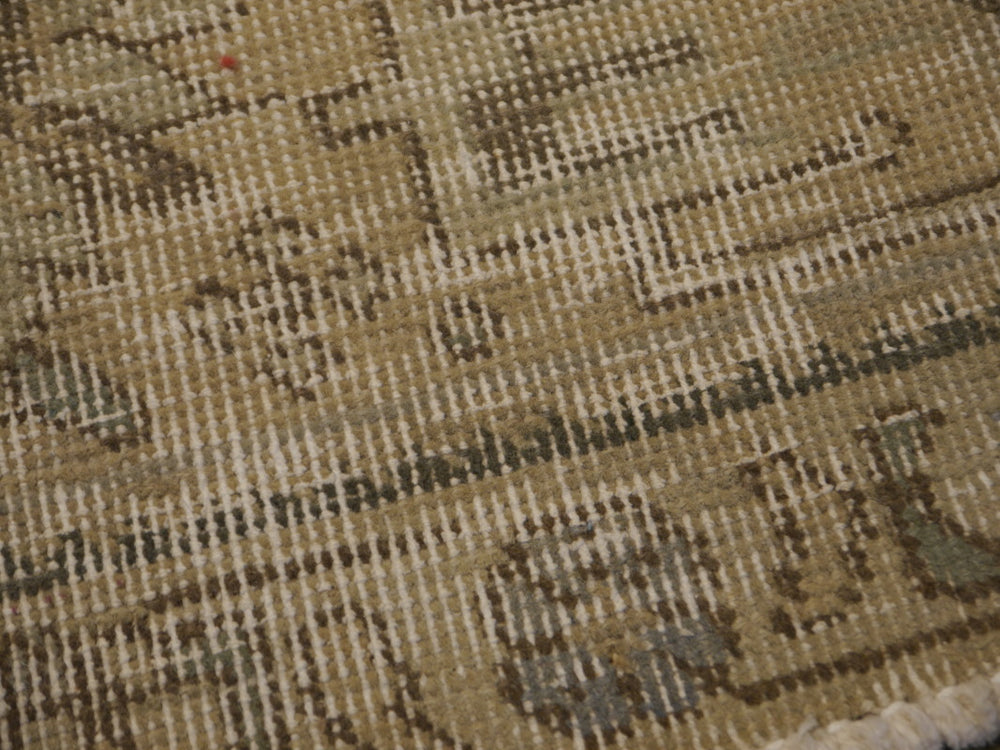
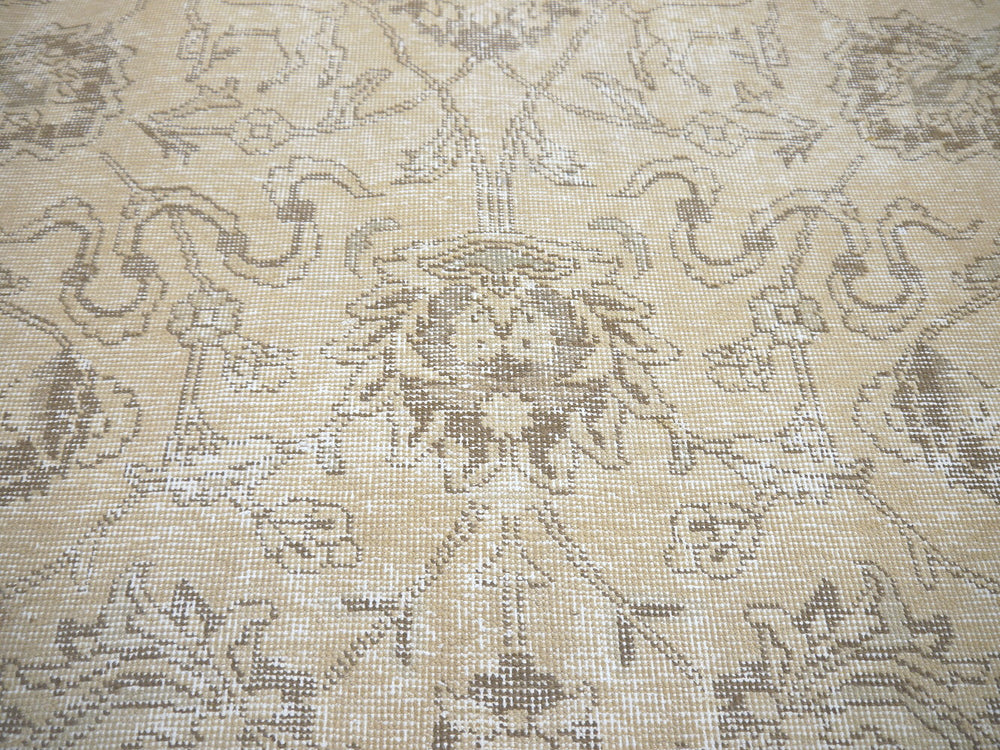
The technical grade of a Tabriz carpet is determined by its "Raj"—the number of knots within a span of approximately 7 cm. To provide clarity for international collectors, the Djoharian Collection offers the following technical specifications:
- 25 - 30 Raj: Durable, practical weaves. Approx. 80-120 KPSI (~130k-180k knots/m²).
- 40 Raj: Standard workshop quality. Approx. 210 KPSI (~330,000 knots/m²).
- 50 Raj: Fine professional weaving. Approx. 330 KPSI (~510,000 knots/m²).
- 60 Raj: High-density masterworks. Approx. 470 KPSI (~730,000 knots/m²).
- 70 - 80 Raj: Collector-grade textiles. Approx. 640-840+ KPSI (~1.0M-1.3M+ knots/m²).
Similar structural benchmarks can be observed in the historical archives of the Metropolitan Museum of Art and the National Museum of Iran.
The Djoharian Commitment to Quality
- Curated Provenance: Our collection focuses on works from renowned workshops such as Benam, Alabaf, and Haji Jalili.
- Ethical Standards: In cooperation with Label STEP, we ensure fair labor practices and transparent supply chains.
- Technical Preservation: Each vintage and antique piece undergoes professional organic cleaning and master-level restoration to maintain its integrity.
- Documented Authenticity: Every carpet is accompanied by a certificate detailing its Raj count, materials (such as Kurk wool and silk), and origin.
Collector Guide: Frequently Asked Questions
1. What distinguishes Tabriz rugs from other Persian weaving centers?
A Tabriz rug is characterized by its technical uniformity and the Turkish knot. This allows for a broad range of artistic expressions, from floral medallions to pictorial scenes, making them versatile for both traditional and modern settings.
2. How does the Raj count influence the choice for a home?
For high-traffic areas, a 40 Raj Tabriz provides resilience. A 50 Raj is typically favored for living spaces, while 60 Raj and above are intended for formal rooms or as textile art, often featuring a higher silk content.
3. How are these textiles valued in the 2026 market?
Authentic hand-knotted Tabriz carpets remain stable tangible assets. As traditional weaving centers face a decreasing number of skilled artisans, high-density pieces by recognized master weavers tend to maintain their long-term value.
4. How should a fine Tabriz rug be maintained?
Due to their high knot density, they are exceptionally durable. We recommend professional organic cleaning every 5 to 10 years. For routine care, standard vacuuming without abrasive brush bars is sufficient to protect the wool and silk fibers.