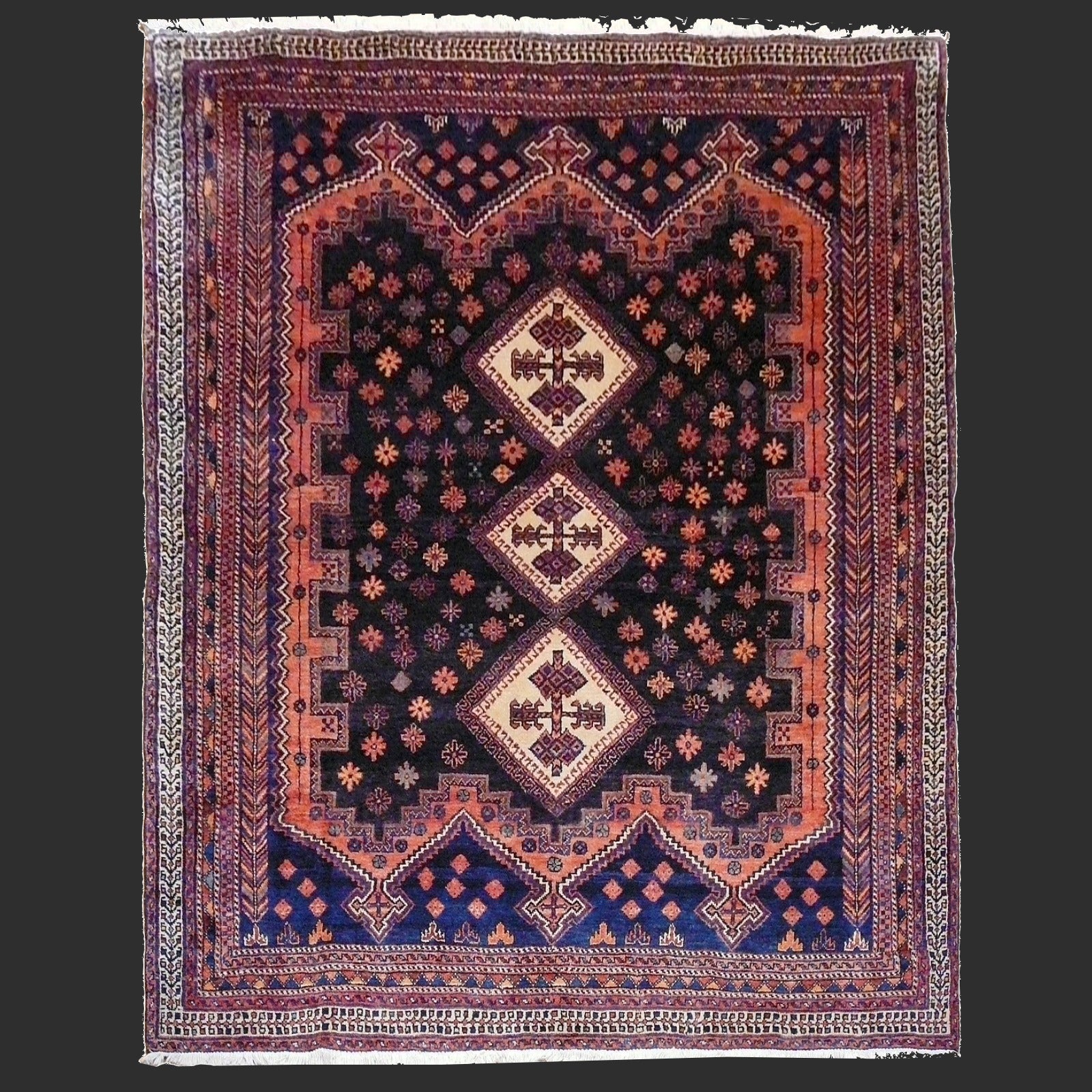
Afshar & Sirjan Afshari Persian Tribal Rugs
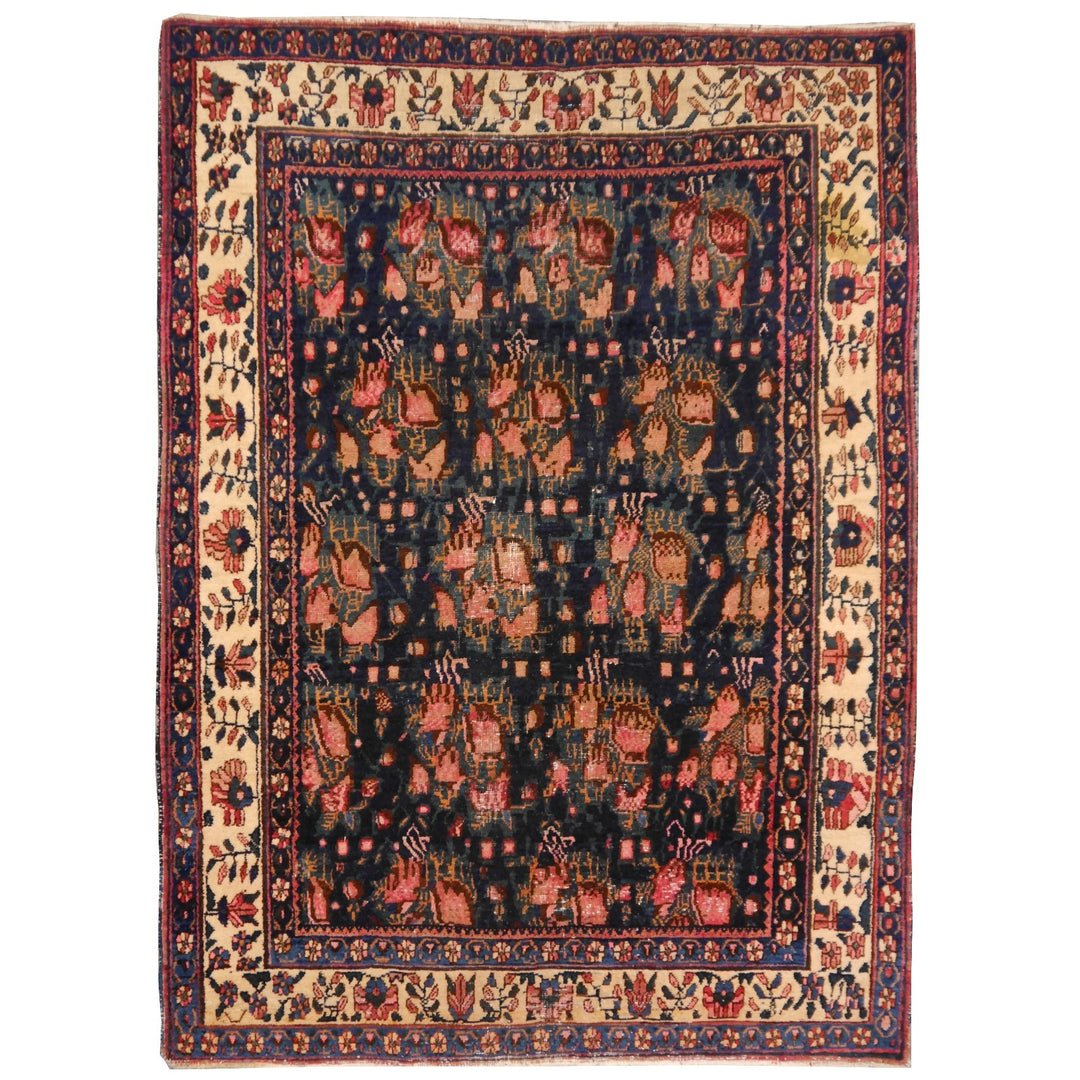
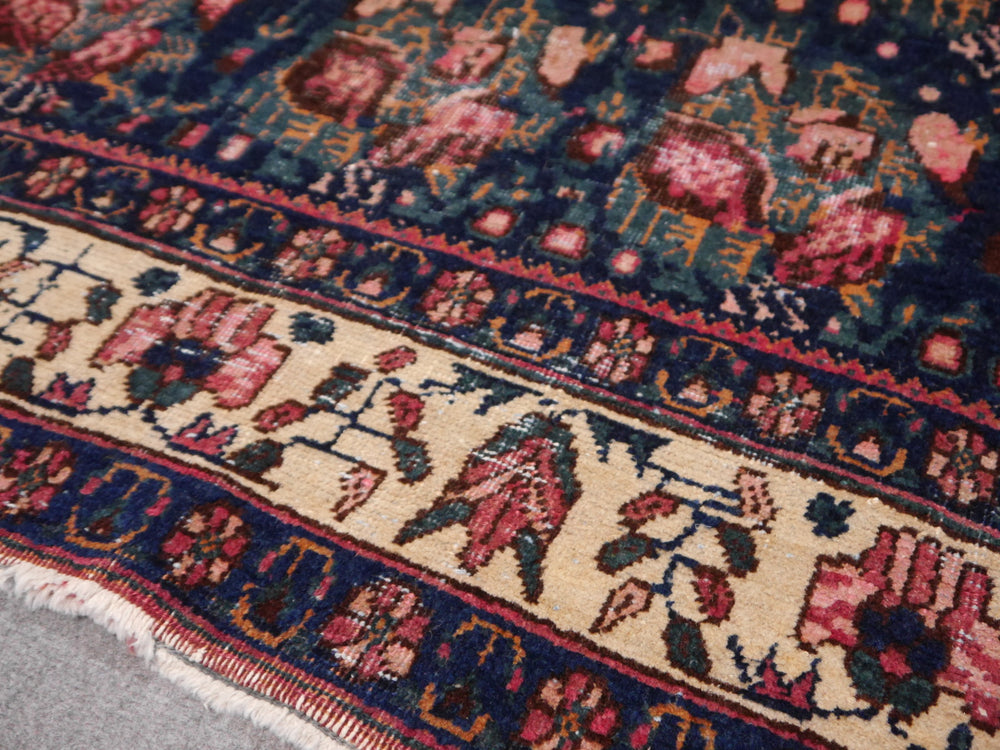
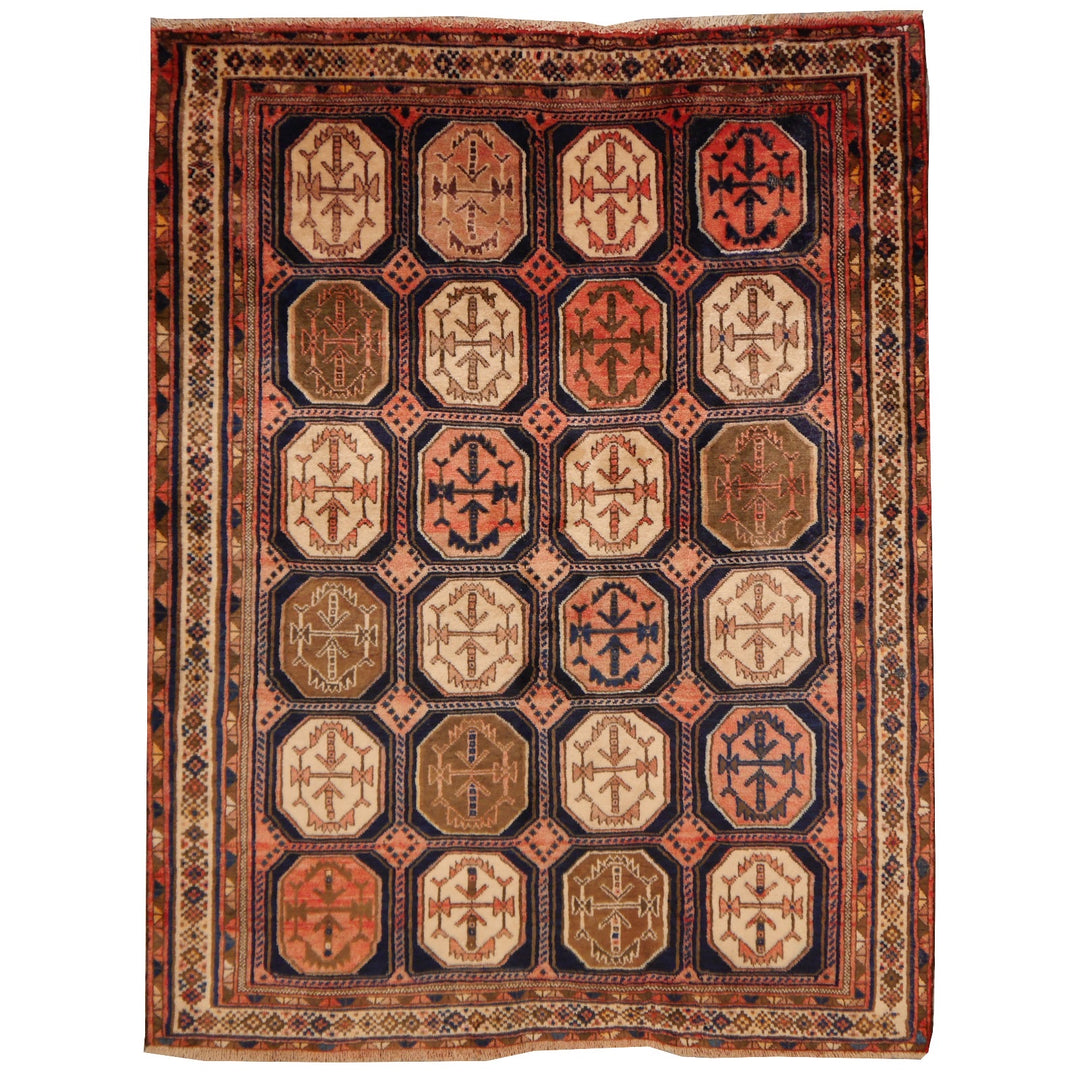
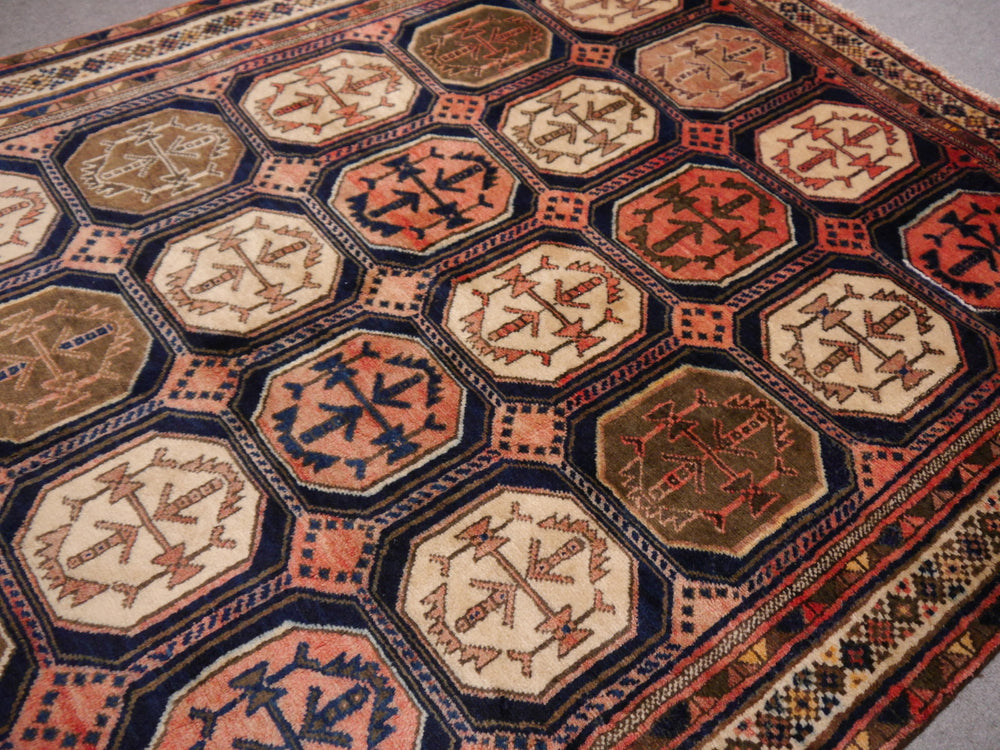
Afshar & Sirjan Afshari Rugs
“A tribal weaving heritage that spans 600 years and 2,000 kilometres — from the Caucasus mountains to the deserts of Kerman.”
A Tribe Between Two Worlds
The Afshar are a Turkic-Oghuz tribal confederation whose origins lie in the Caucasus mountains of present-day Azerbaijan. During the rule of Shah Tahmasp in the 16th century, parts of the Afshar were resettled to two key regions of Persia: westward to the Kurdish lands around Bidjar, and southeast to the rug-weaving cities of Kerman and Sirjan.
Today the name "Afshar" or "Afshari" describes their tribal carpets — hand-knotted in the highlands of southeast Persia, retaining clear visual echoes of their Caucasian origin. For deeper historical and technical analysis, the Jozan Carpet Encyclopedia documents the major Afshar weaving centres.
Design Vocabulary
- —Caucasian-style medallions: stepped diamonds, hooked motifs, repeating stars
- —Boteh and floral fillers: often arranged in vertical stripes or fields
- —Tribal palette: deep madder reds, indigo blues, rich ivory, walnut brown
- —Format: typically small to medium — 5 × 3 to 8 × 5 ft (150 × 90 to 250 × 160 cm)
Construction & Materials
- •Antique Afshar rugs: hand-spun wool pile on wool warp and wool weft — the purest tribal expression
- •Vintage and recent pieces: wool pile on cotton warp and cotton (or wool) weft
- •Pigments: traditionally vegetable and mineral dyes — madder, indigo, walnut, pomegranate
- •Knot: predominantly the asymmetric Persian knot
Why Choose an Afshar from the Djoharian Collection
- —Curated tribal authenticity — every piece selected for genuine hand-spun wool, design clarity and pigment integrity
- —Label STEP Fair Trade partner — ethical sourcing throughout
- —Professionally cleaned and finished by our master craftsmen before delivery
- —Djoharian Collection — since 1967


