Kilim Rugs & Flatweave Carpets — Hand-Woven Tribal Masterpieces
Kilim Rugs & Flatweave Carpets
“No pile, no shortcuts — geometry, wool and natural pigments alone, woven slat by slat on a wooden loom.”
What Makes a Real Kilim
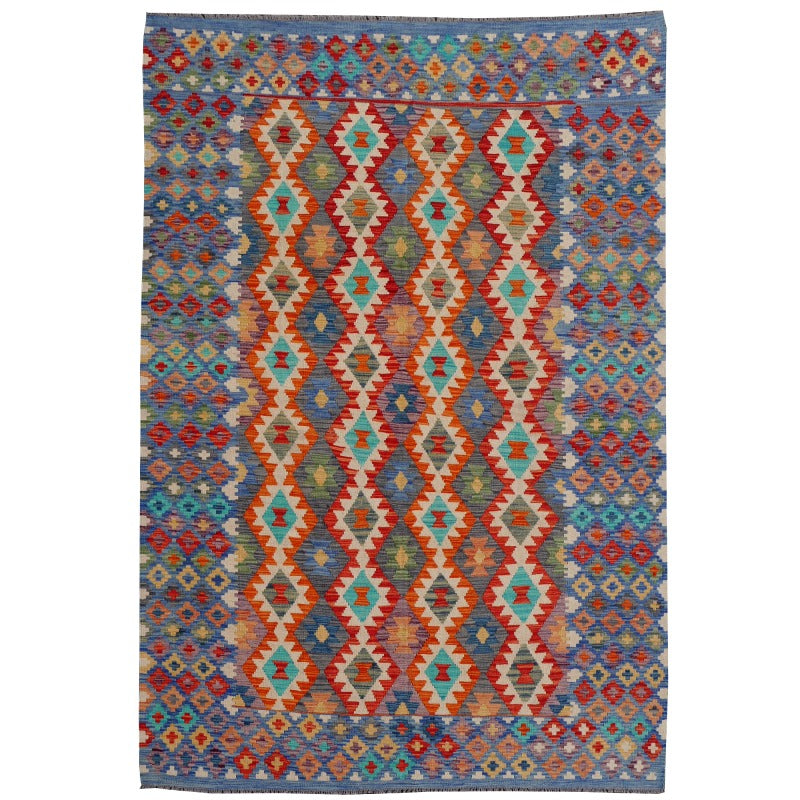
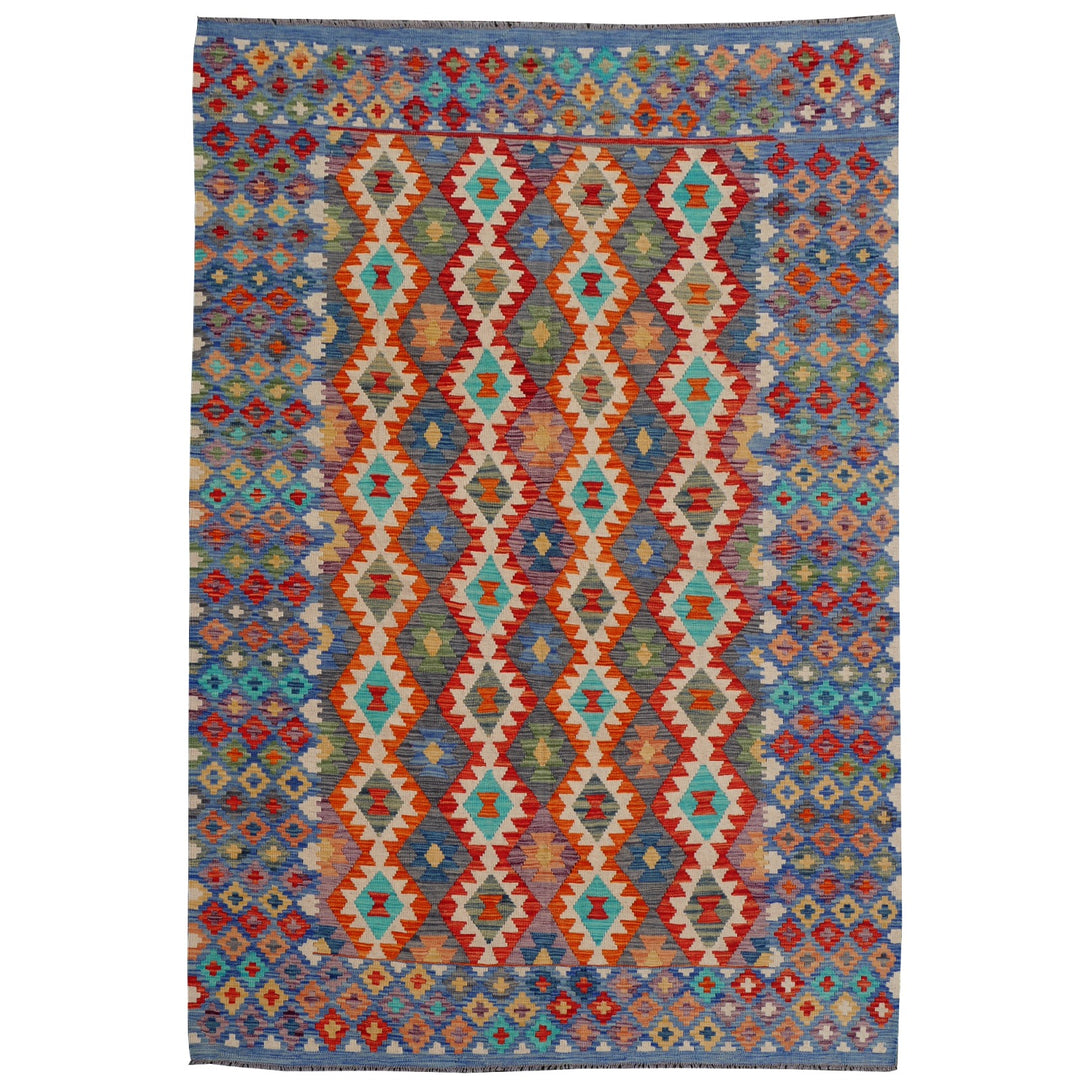
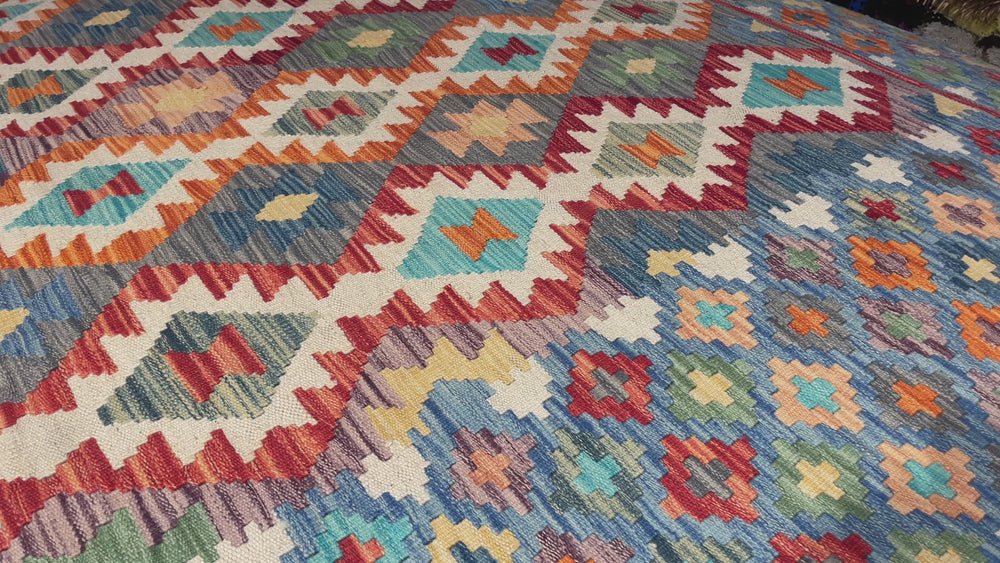
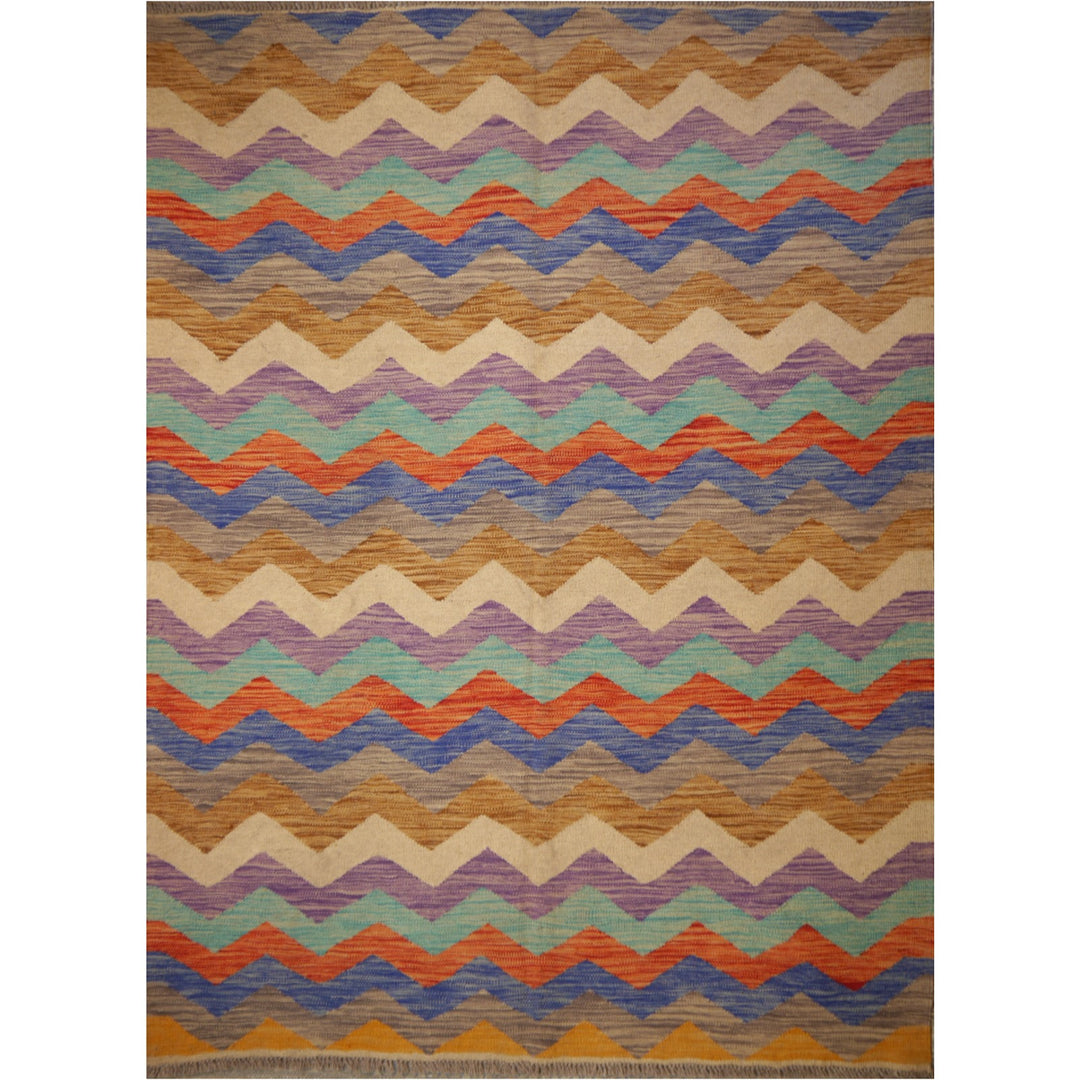
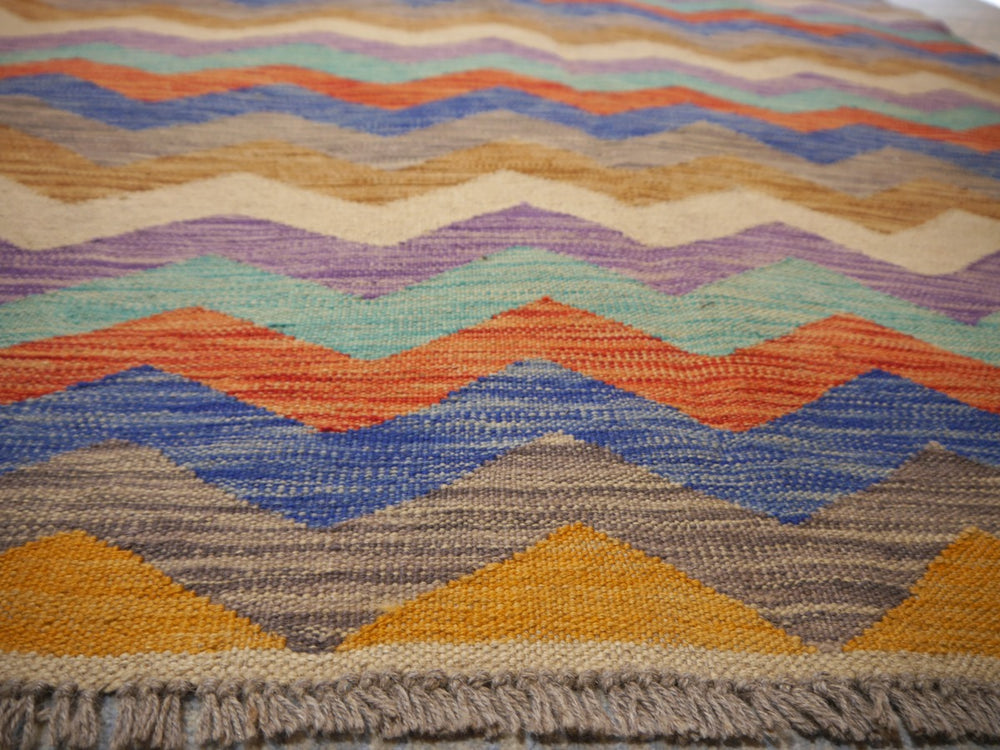
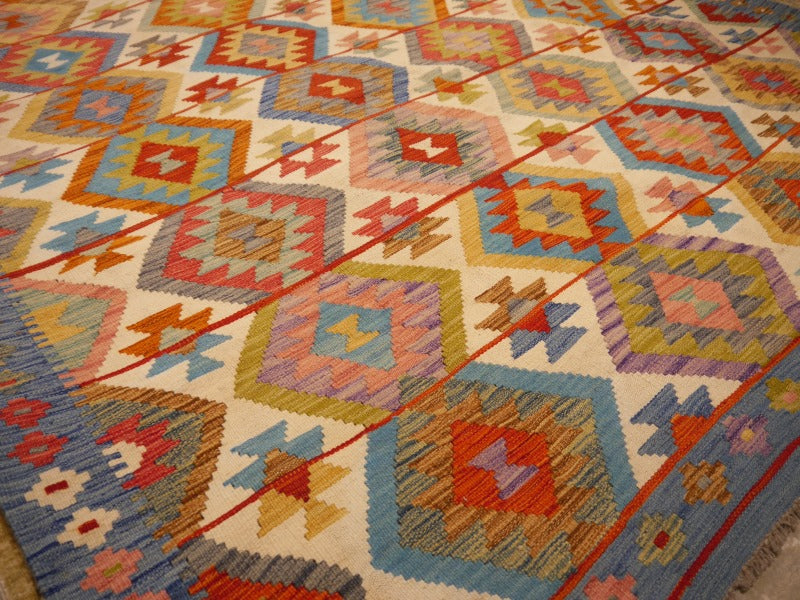
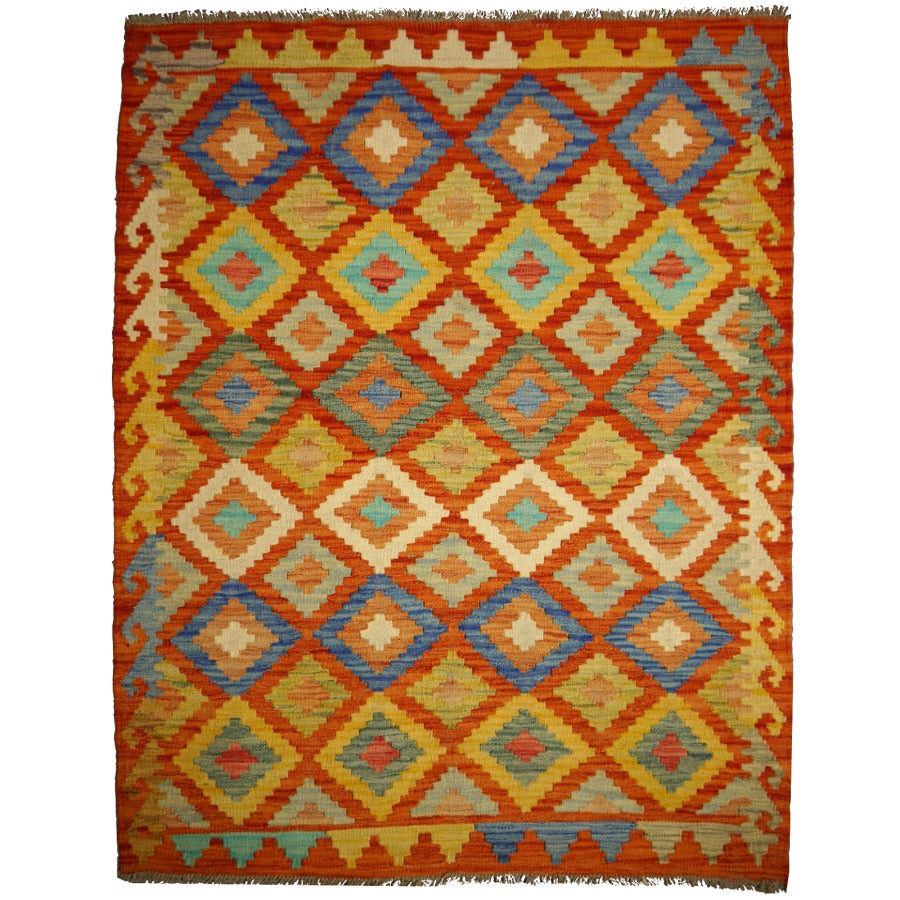
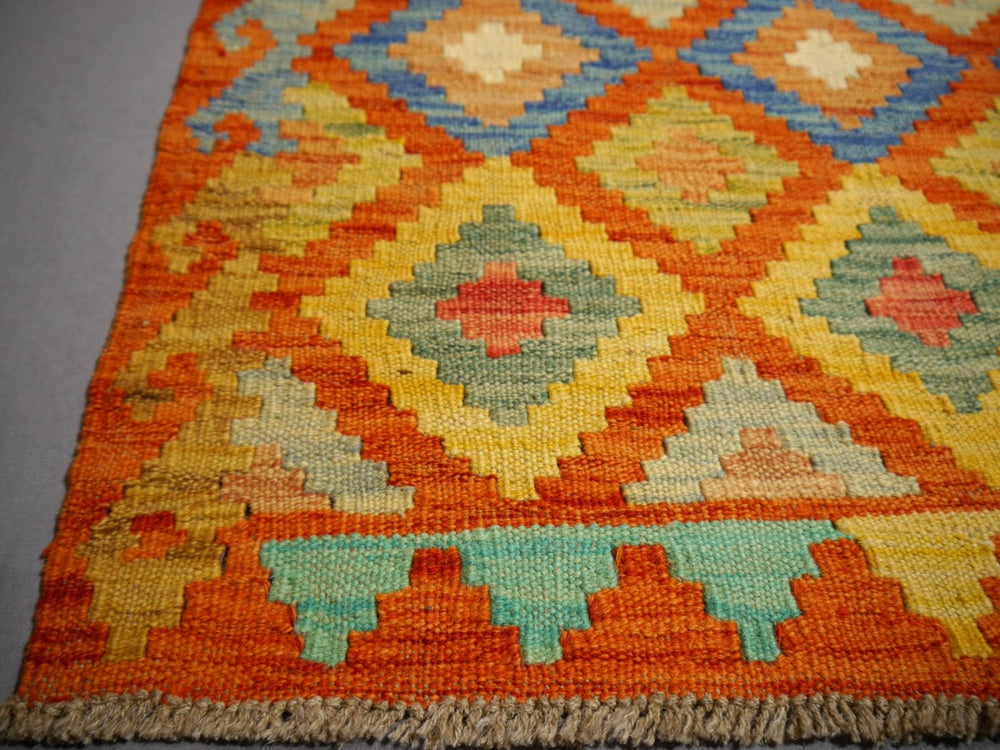
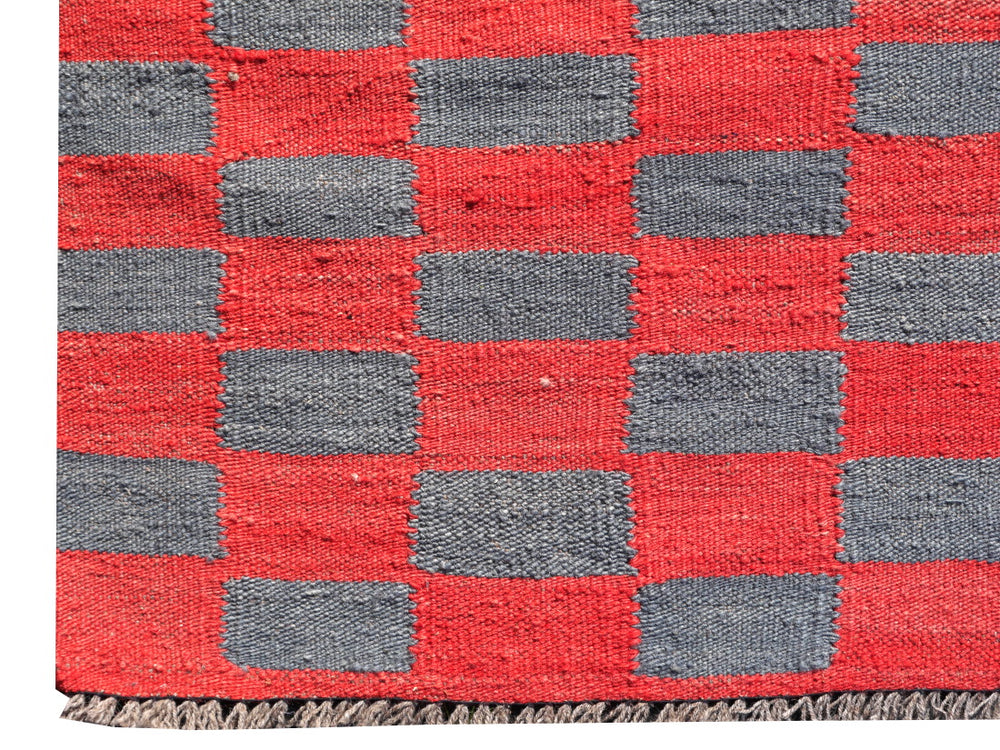
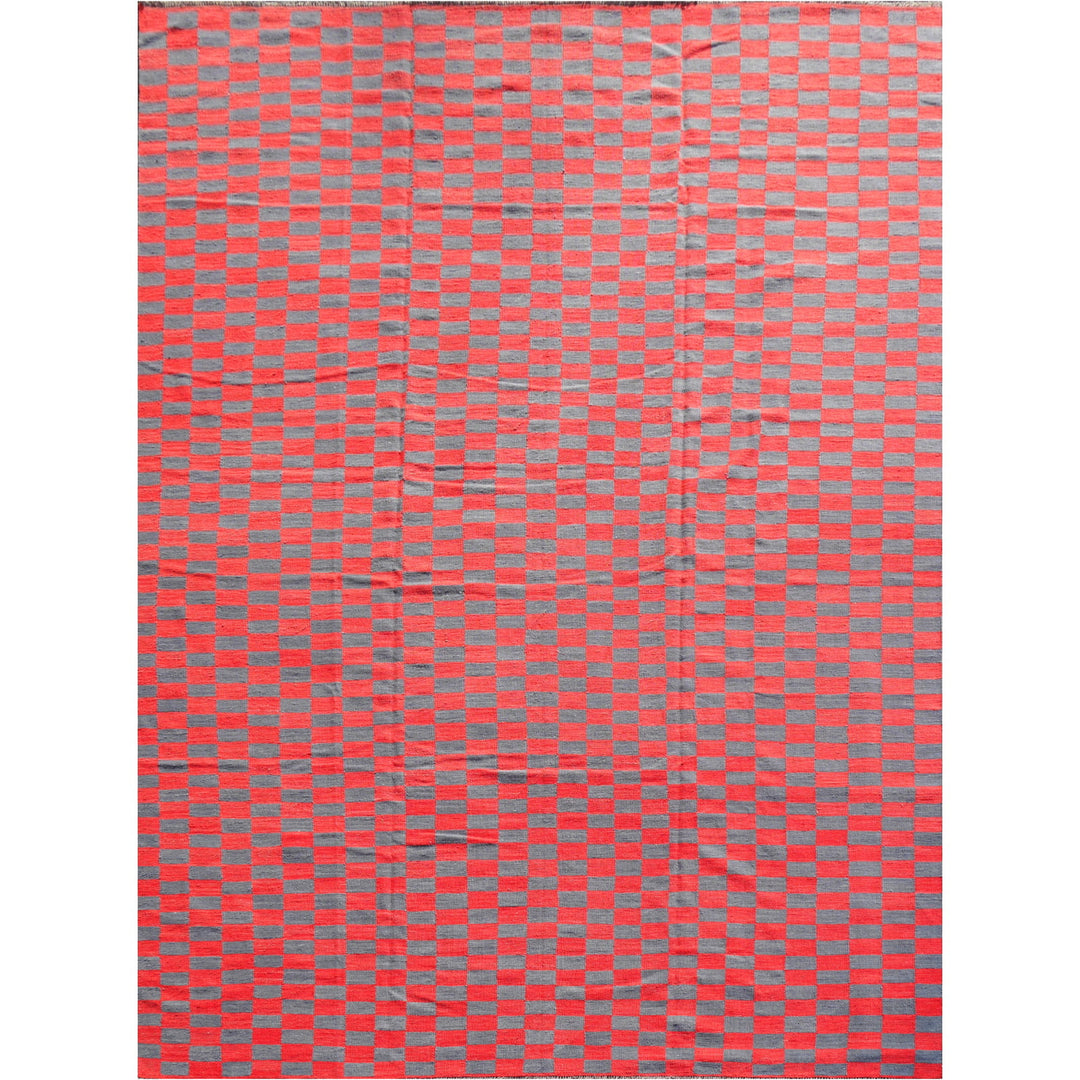
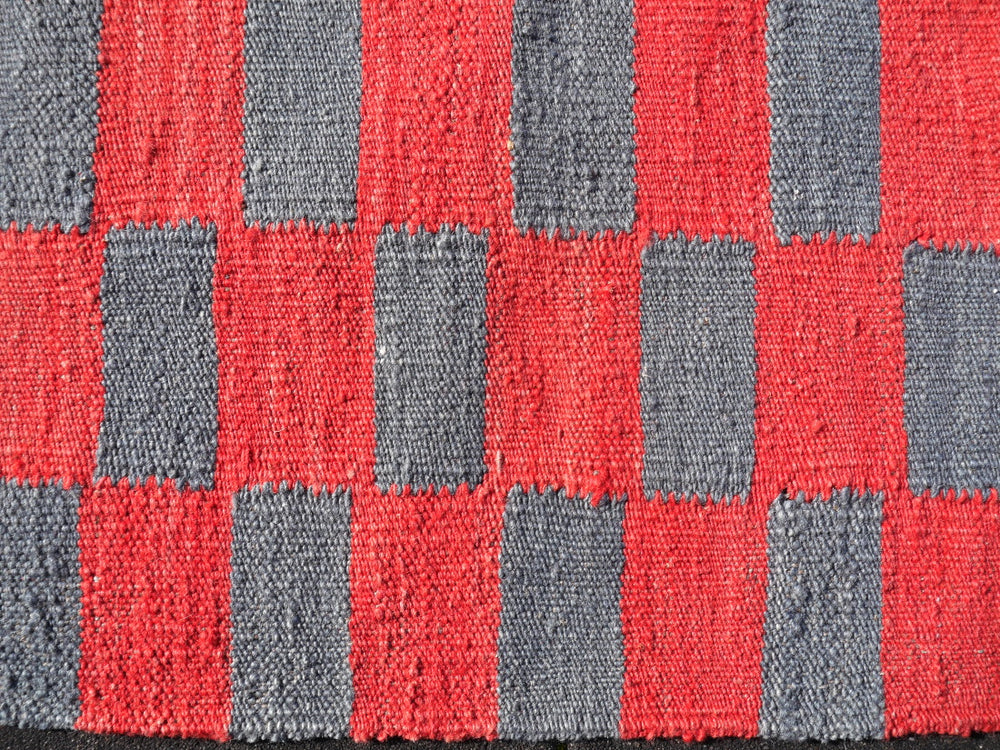
A genuine kilim is a flat-woven rug — produced without a knotted pile, using a slit-tapestry technique on a wooden loom. The result is a thinner, more flexible textile with razor-sharp geometric patterns and a tactile weight that hand-knotted pile rugs cannot match.
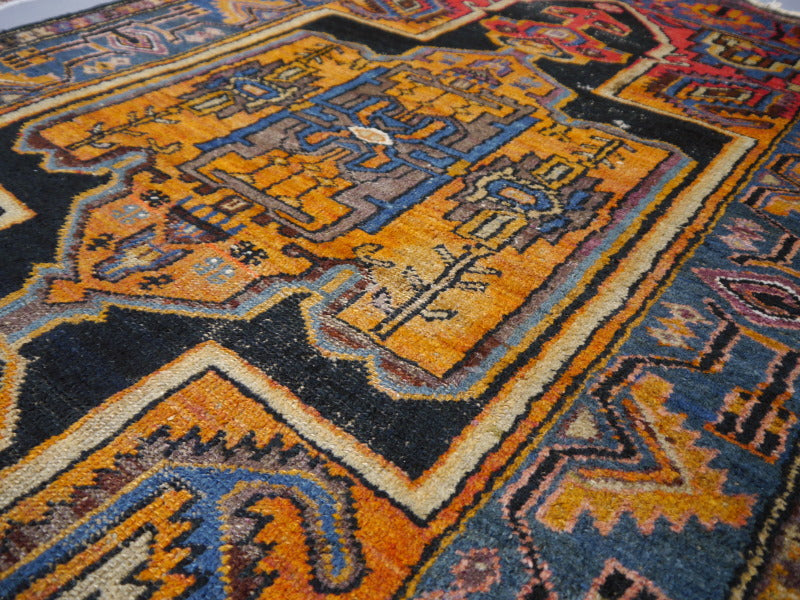
In our collection, every kilim is hand-woven by nomadic and tribal weavers — not mass-produced. The colours, asymmetries and small “mistakes” are the signature of a singular, human-made textile.
The Major Kilim Traditions
Persian Tribal Kilims
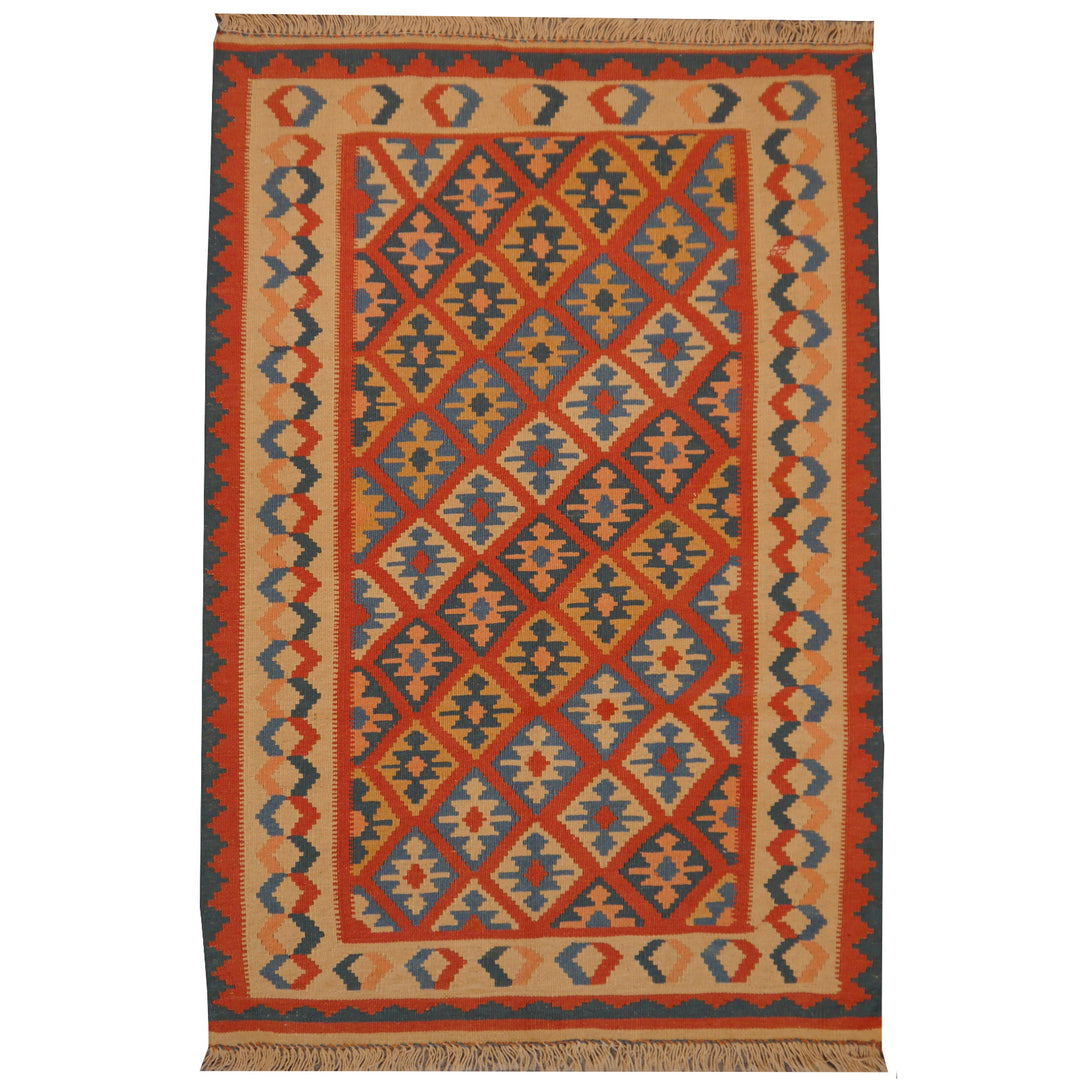
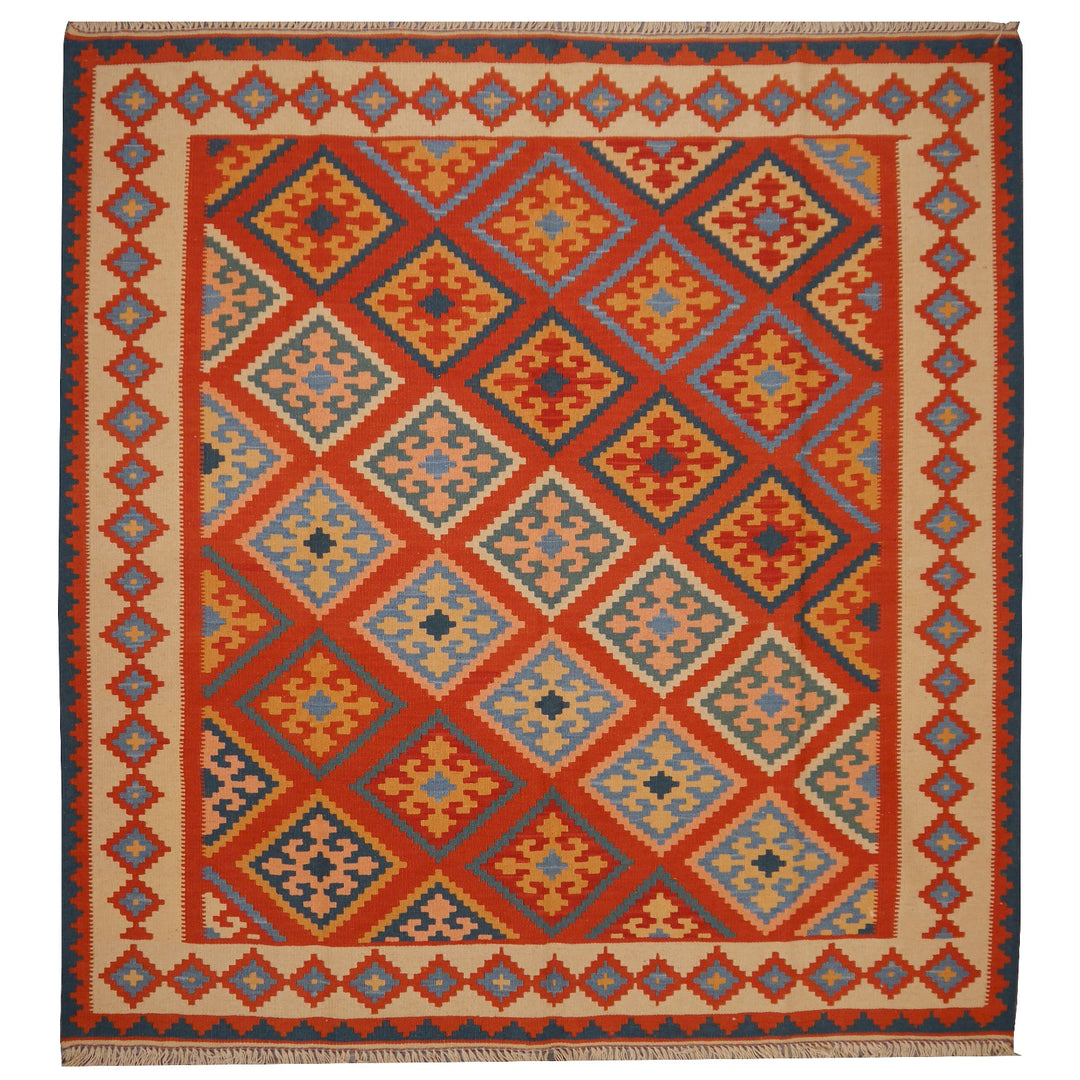
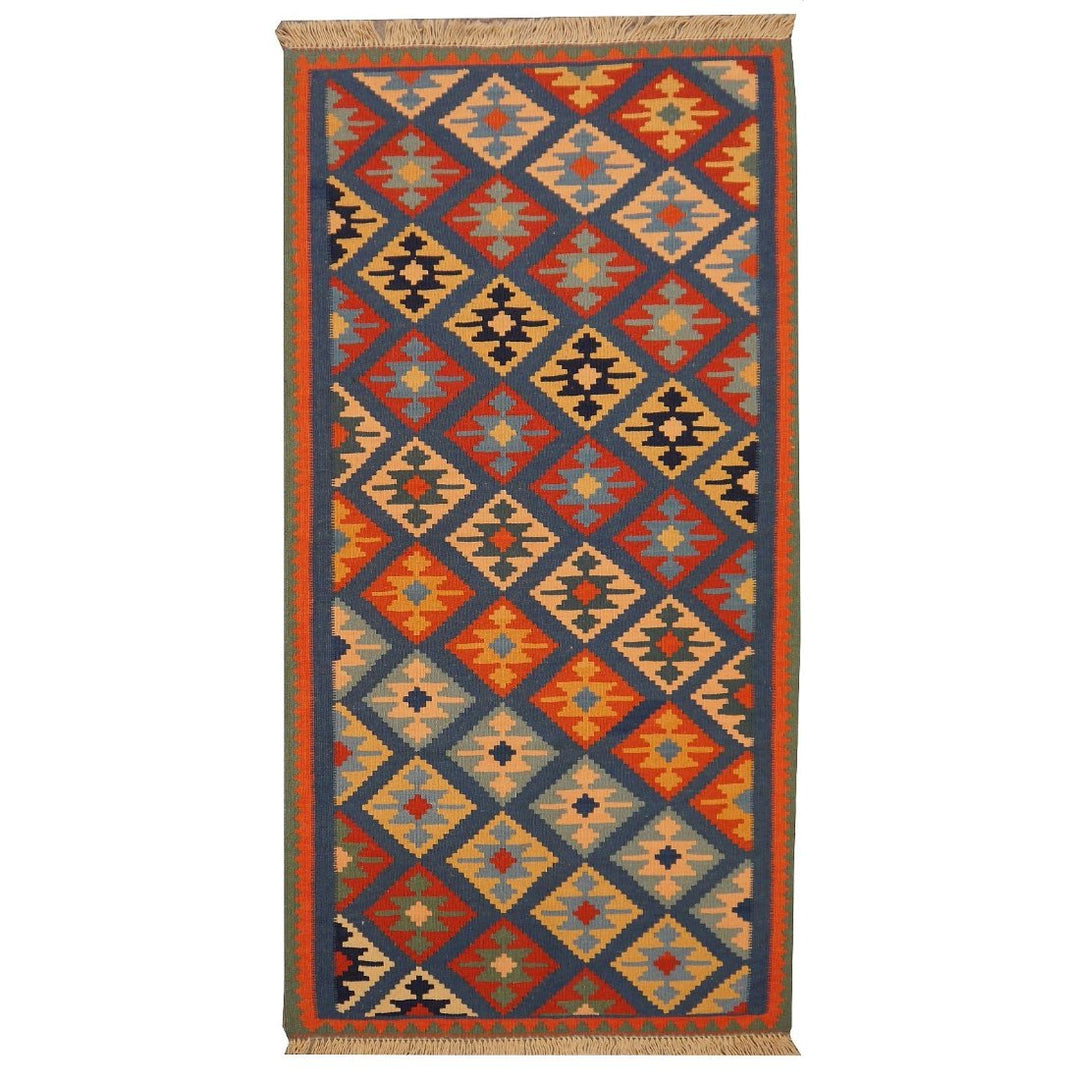
The most prestigious nomadic kilims come from the tribal confederations of Persia: Qashqai, Bakhtiari, Belutch and Shahsevan. Their kilims feature vivid madder reds, indigo blues and ivory tones, with diamond medallions, vertical stripes and protective talismanic motifs.
Afghan & Uzbek Kilims
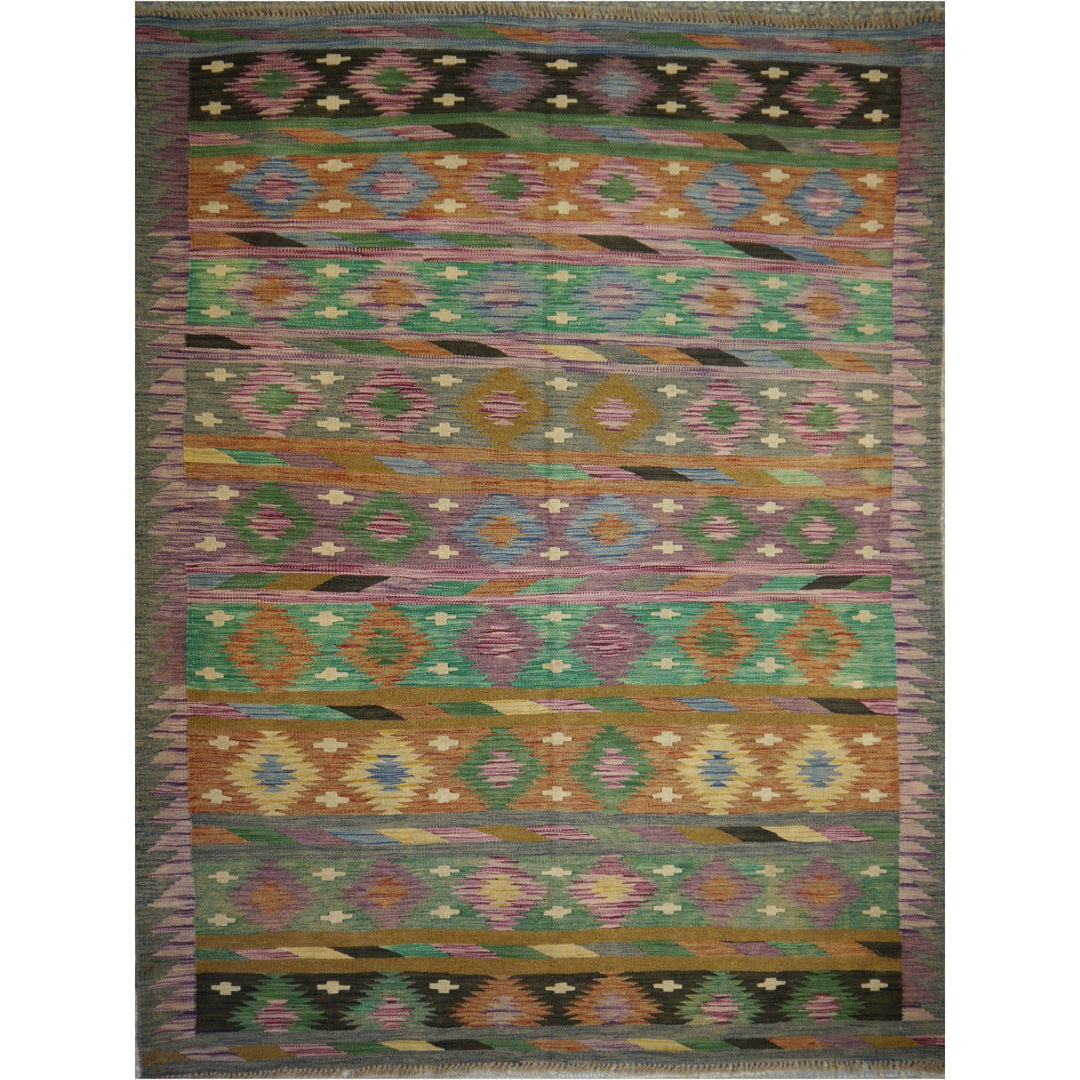
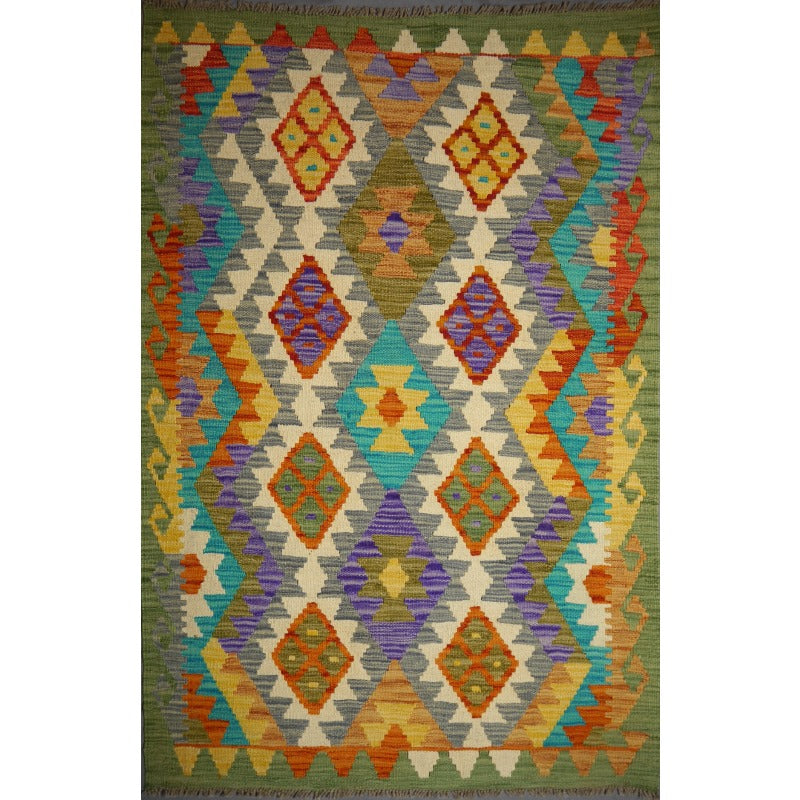
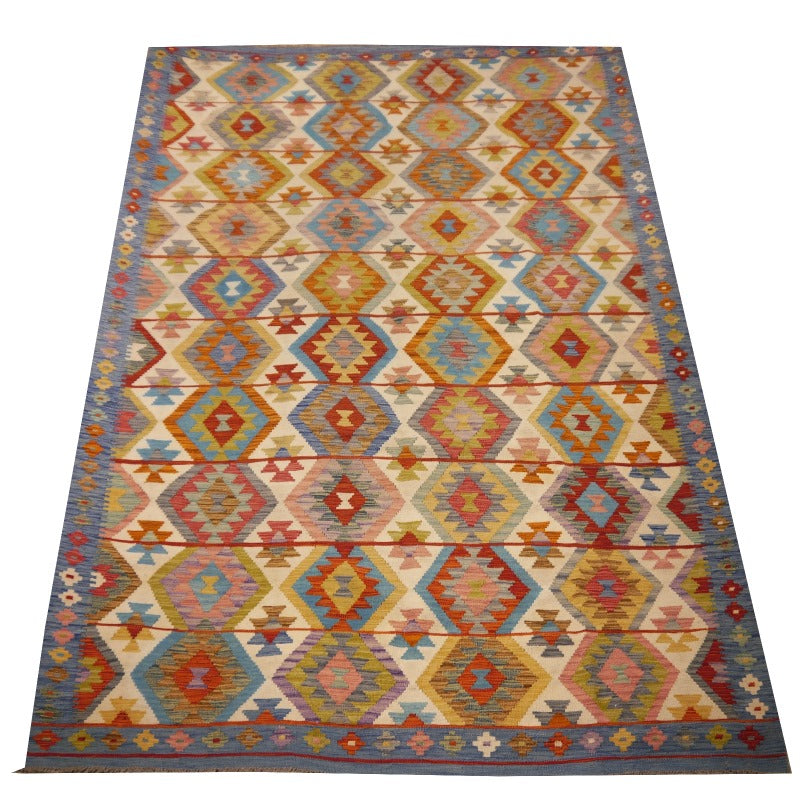
Bold geometric patterns in deep colour, often featuring the Maimana tradition of northern Afghanistan. Excellent durability and architectural presence.
Turkish Kilims (Anatolian)
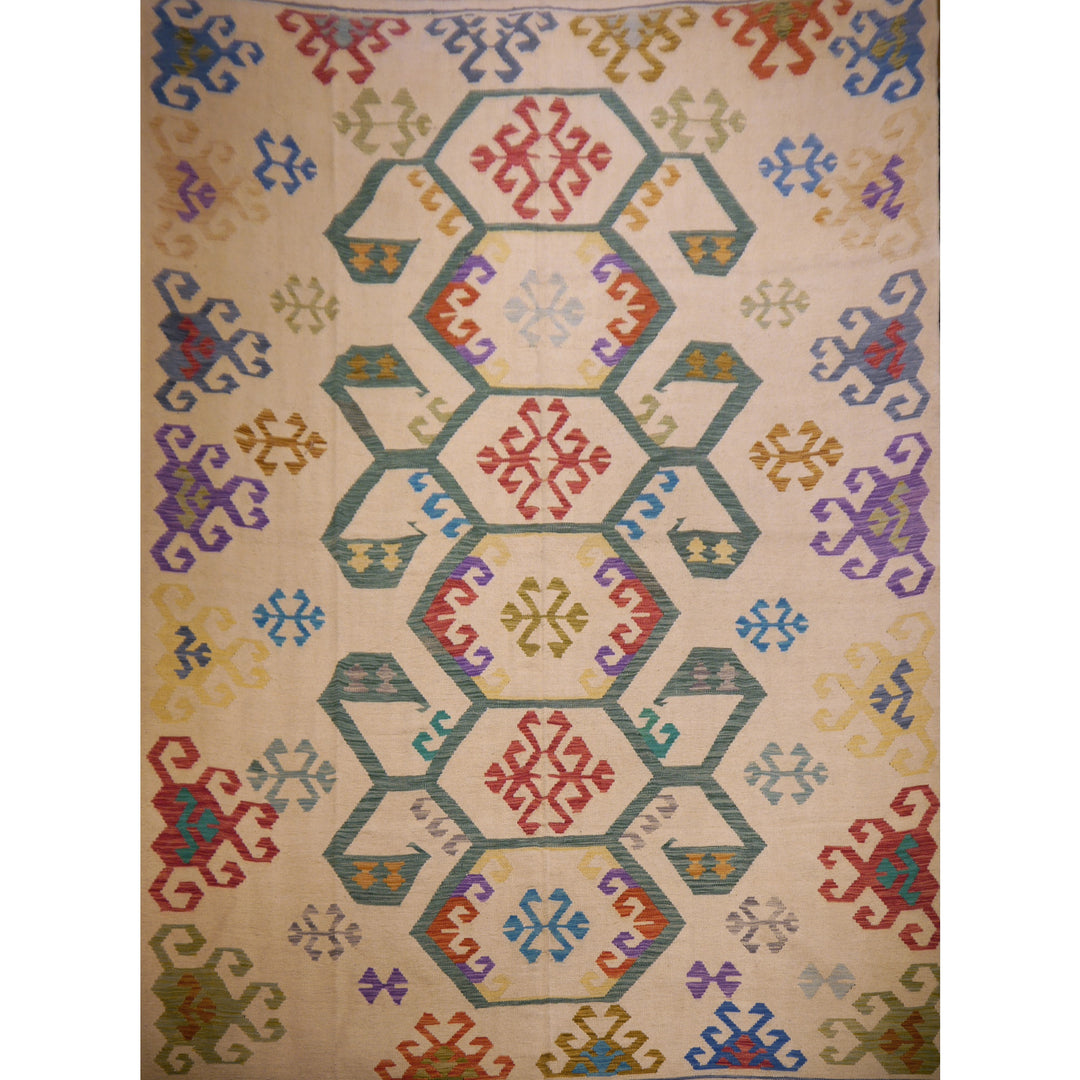
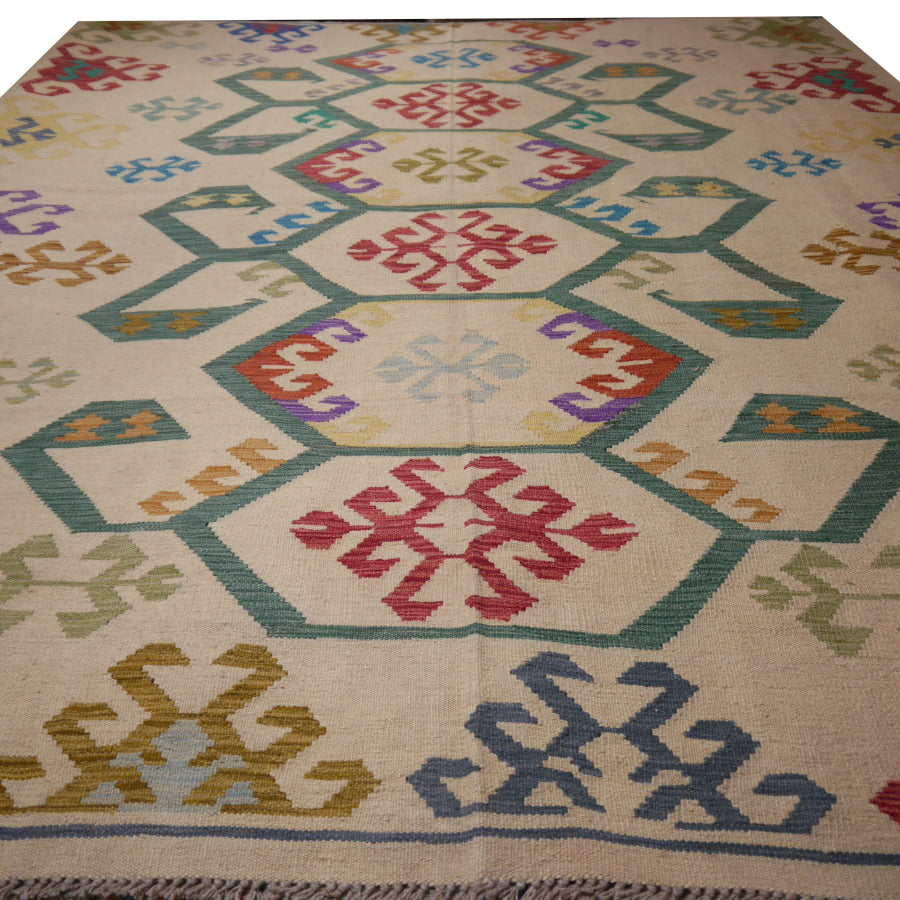
From Anatolia: powerful symbolic motifs (the “elibelinde” goddess figure, the eye, the ram’s horn), often in rich madder and ochre.
Moroccan Kilims — Hanbel & Handira
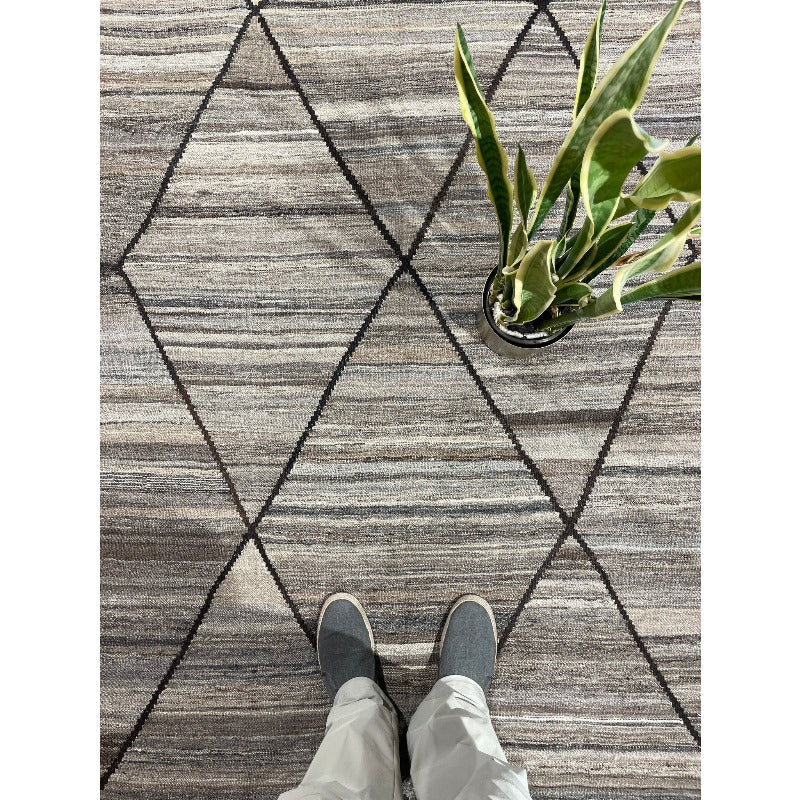
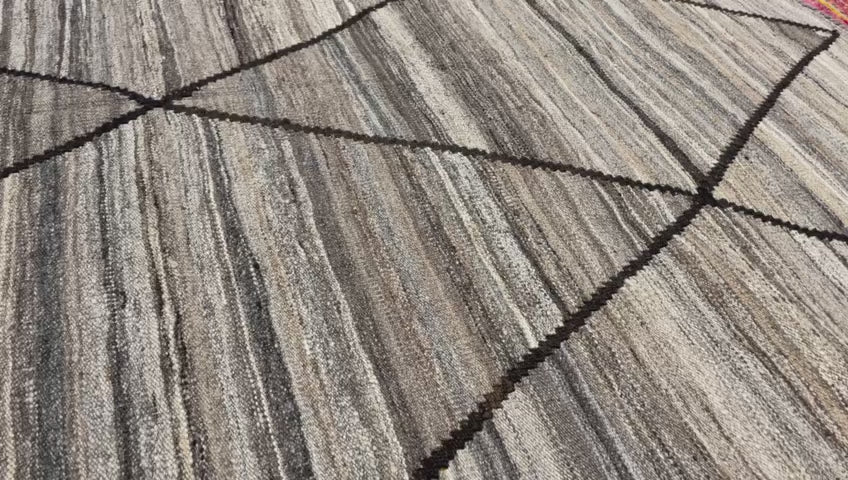
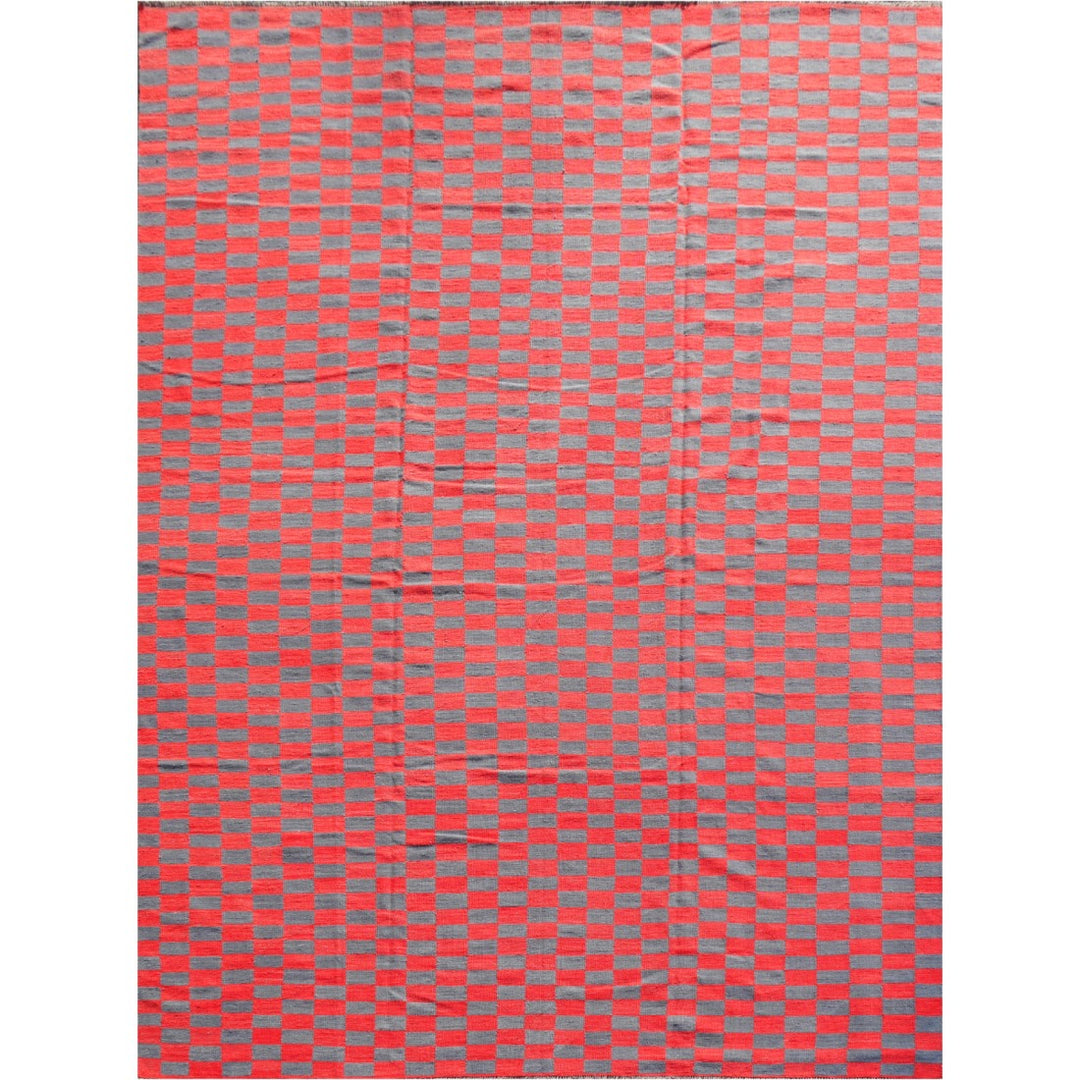
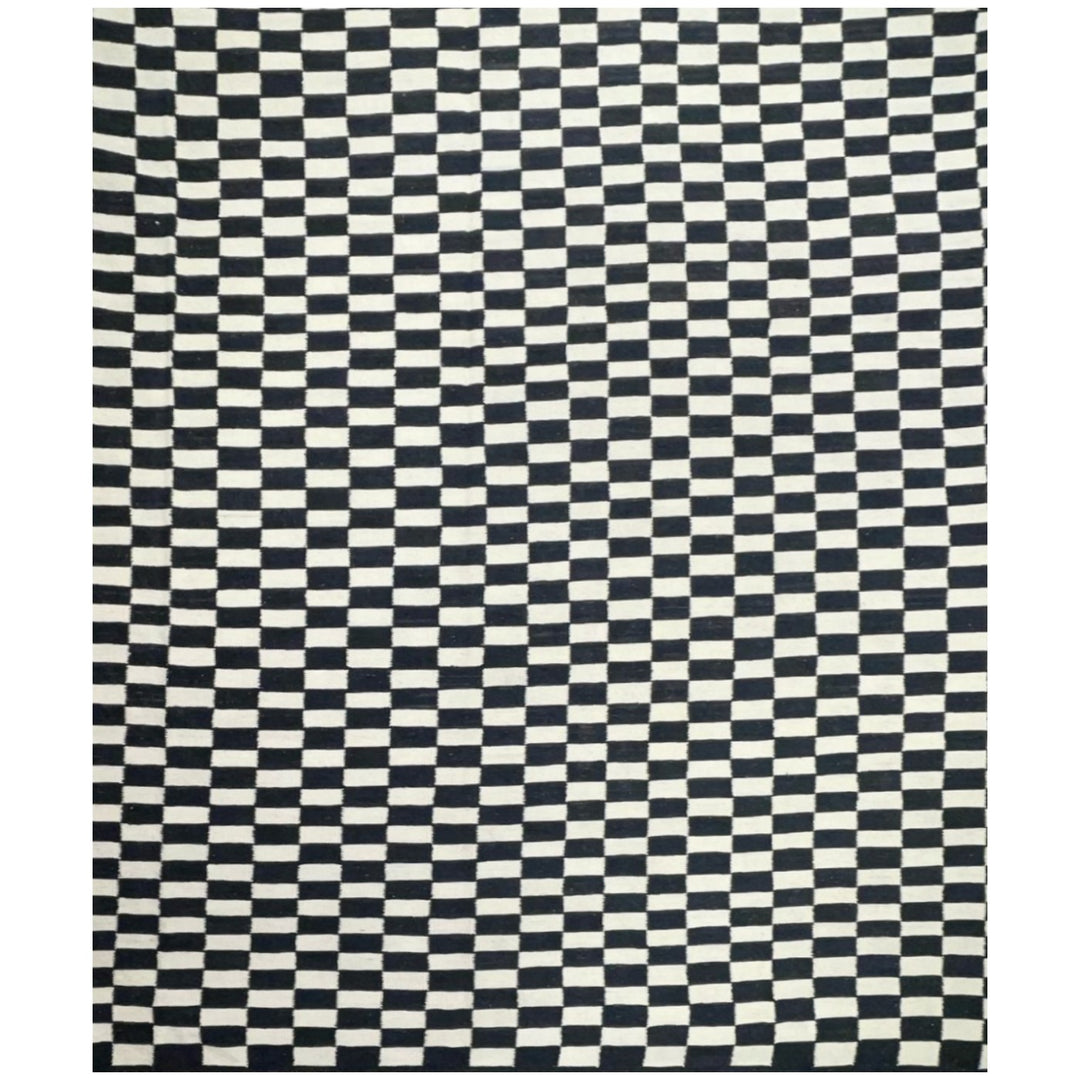
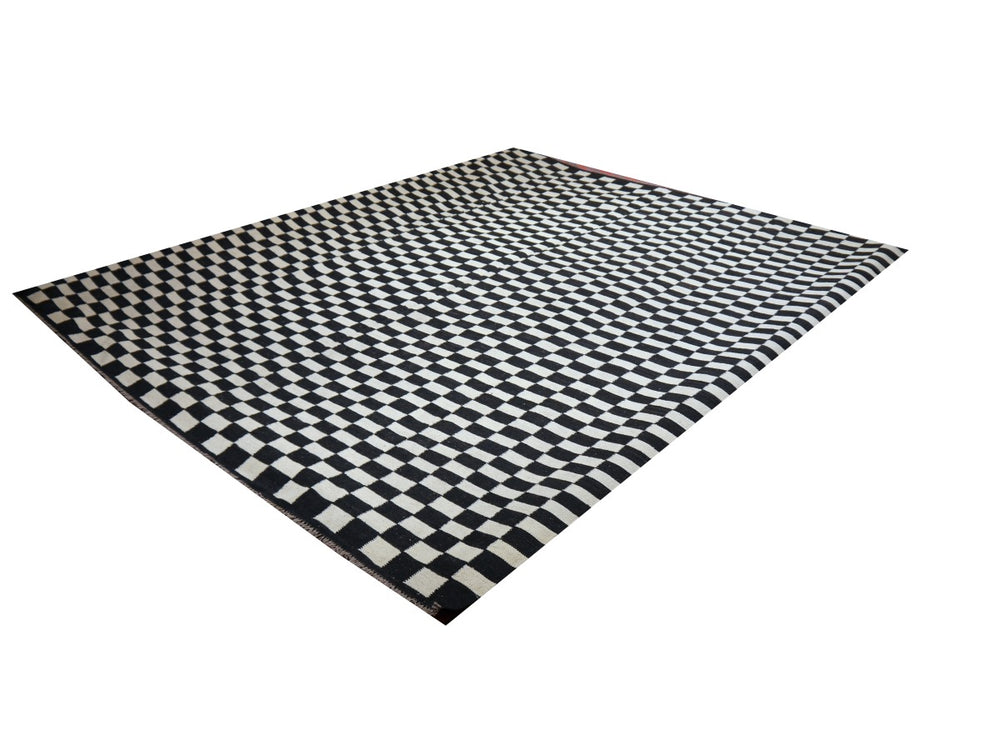
Hand-woven by the Zemmour, Beni Ourain and Azilal Berber tribes of Morocco. Often referred to as Hanbel, or in their wedding variant as Handira. The combination of geometric ornament and natural ivory wool makes these kilims a perfect match for contemporary, minimalist and Scandinavian interiors.
Why Kilims Work in Modern Interiors
Since the 1970s, kilims have become a cornerstone of international design — used by interior architects to bring tactile warmth and graphic energy to otherwise neutral rooms. Their flat structure makes them ideal:
- —In hallways and entrances — where pile rugs collect dust
- —Under furniture — chairs and tables slide smoothly
- —Layered over larger plain rugs — a beloved interior designer trick
- —As wall hangings — where their graphic precision becomes textile art
Construction & Materials
- •Technique: slit-tapestry flat-weave (no knotted pile)
- •Material: hand-spun wool on wool warp, or wool on cotton warp
- •Pigments: predominantly vegetable and mineral dyes
- •Reversible: most kilims have no “wrong side” — both faces are usable
Why Djoharian Kilims
- —Tribal authenticity — not factory copies. Every kilim hand-woven by named weaving communities
- —Label STEP Fair Trade partner — fair wages, no child labour
- —Professionally washed and finished before delivery
- —Djoharian Collection — since 1967