Heriz Persian Rugs
Collection list


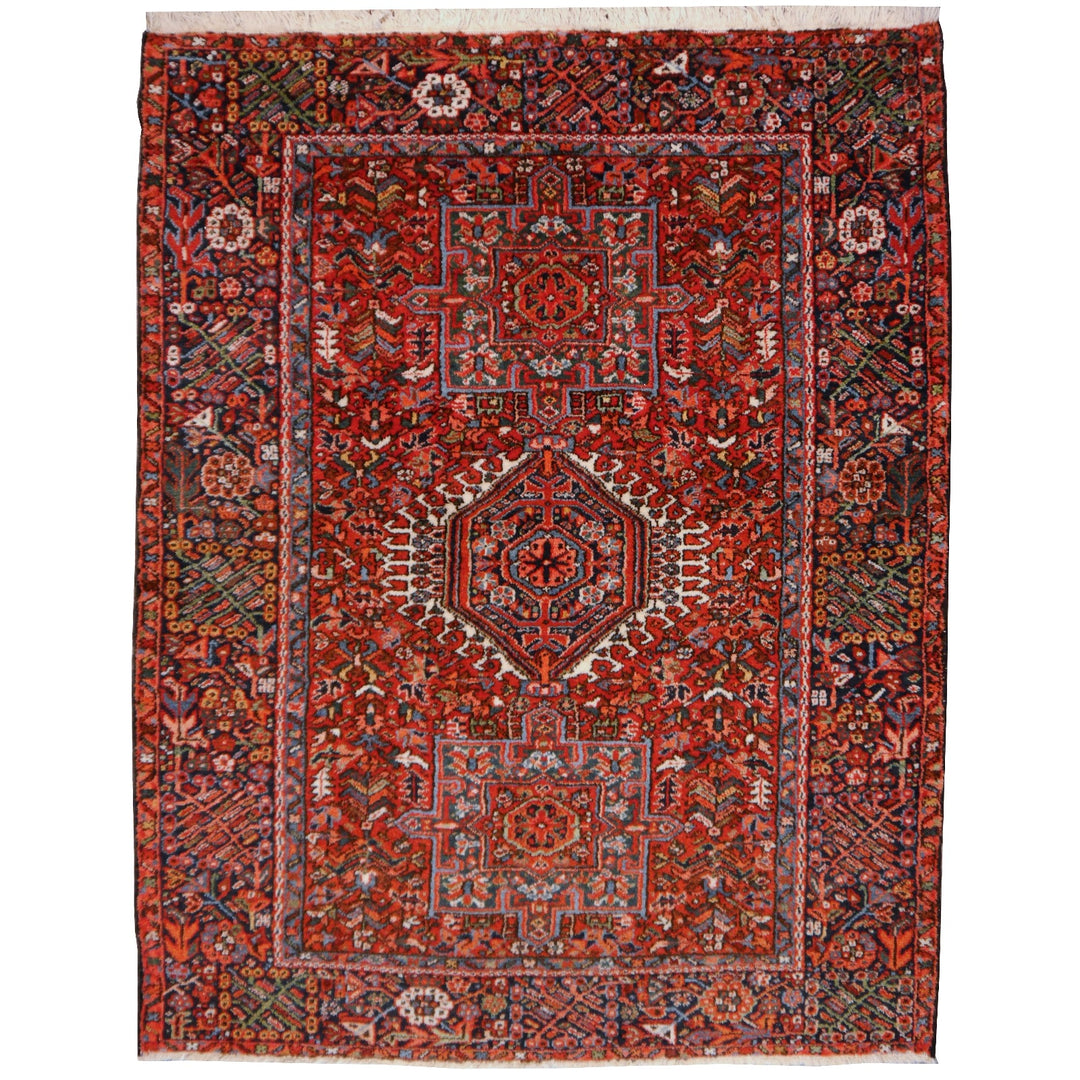
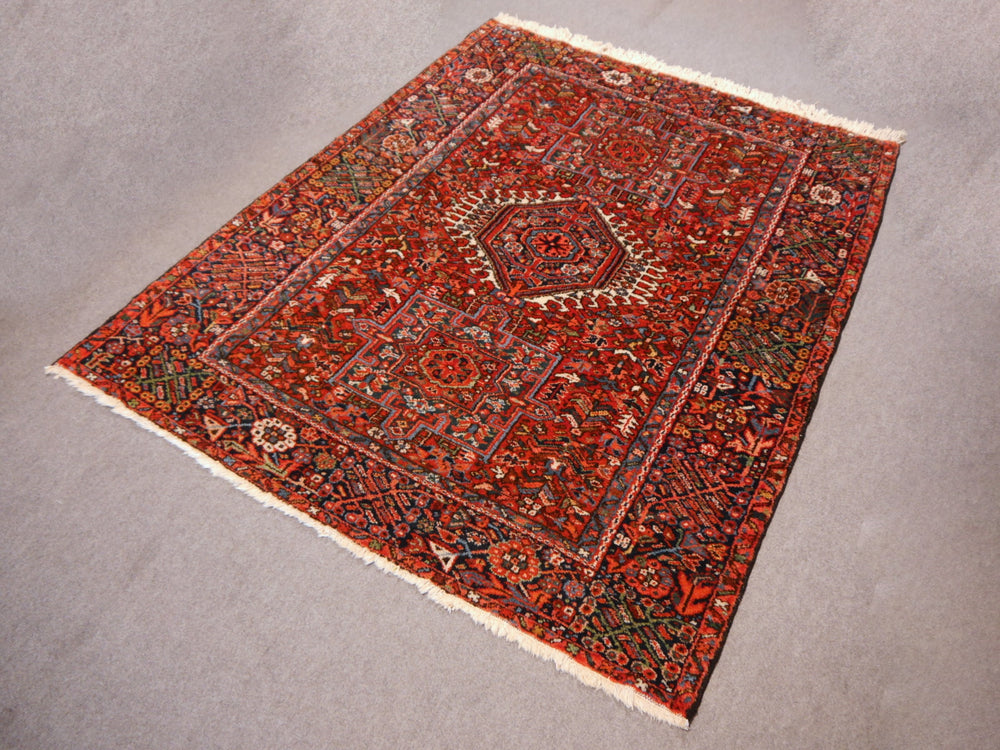
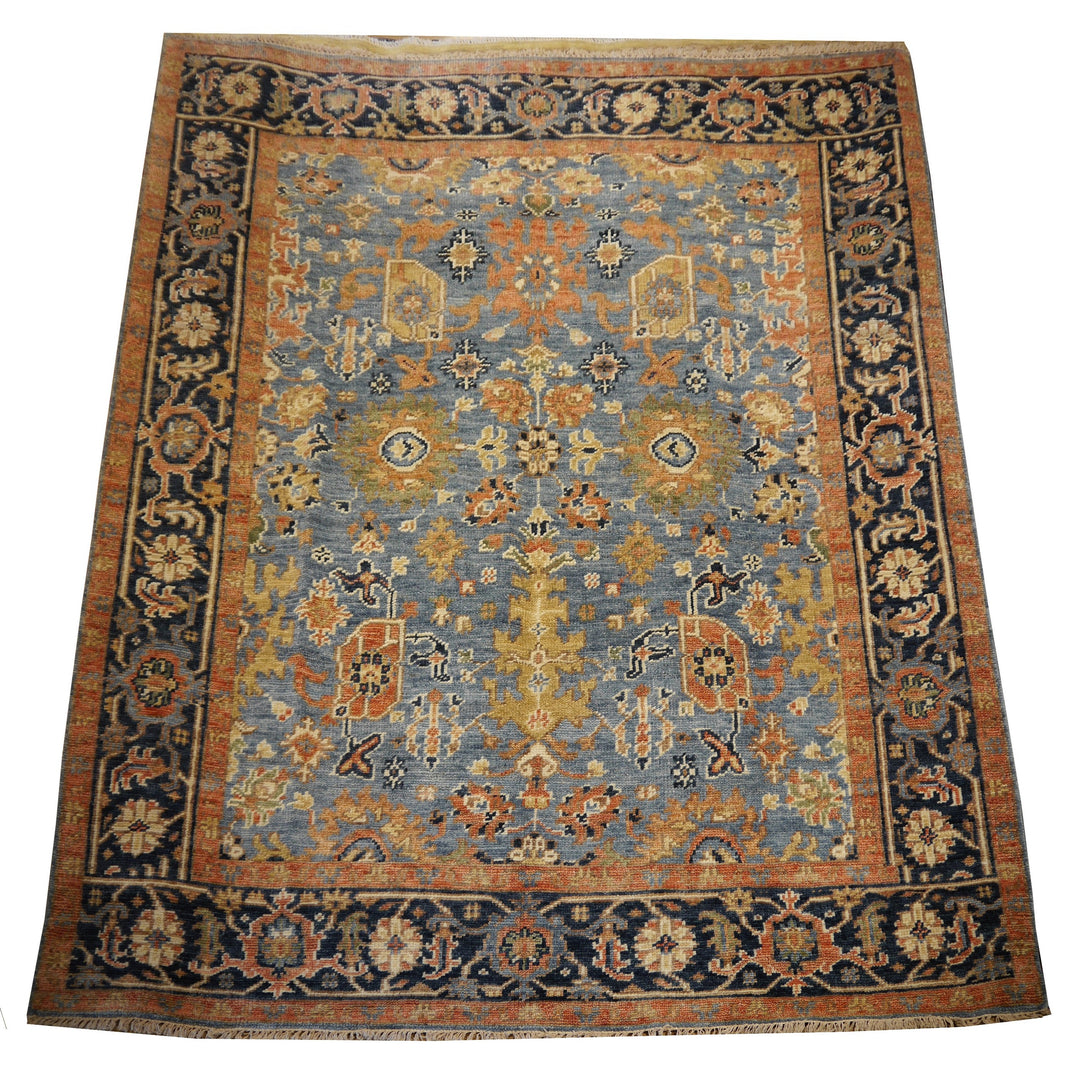
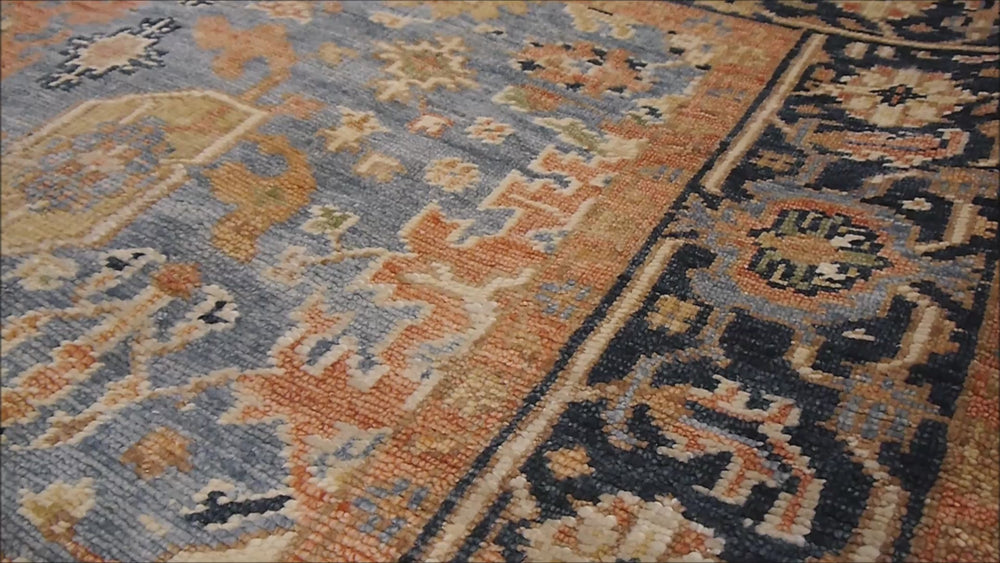
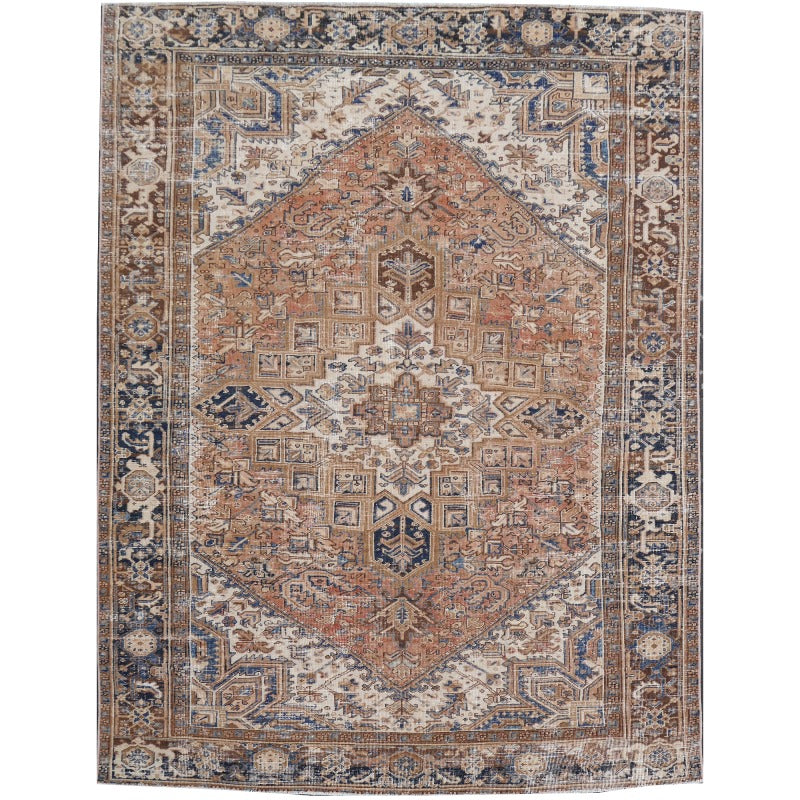
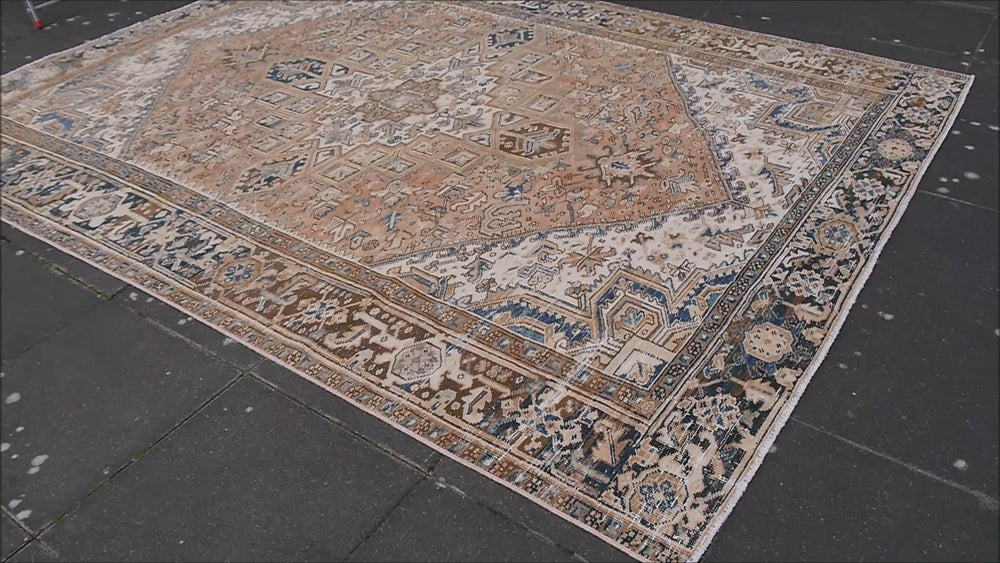
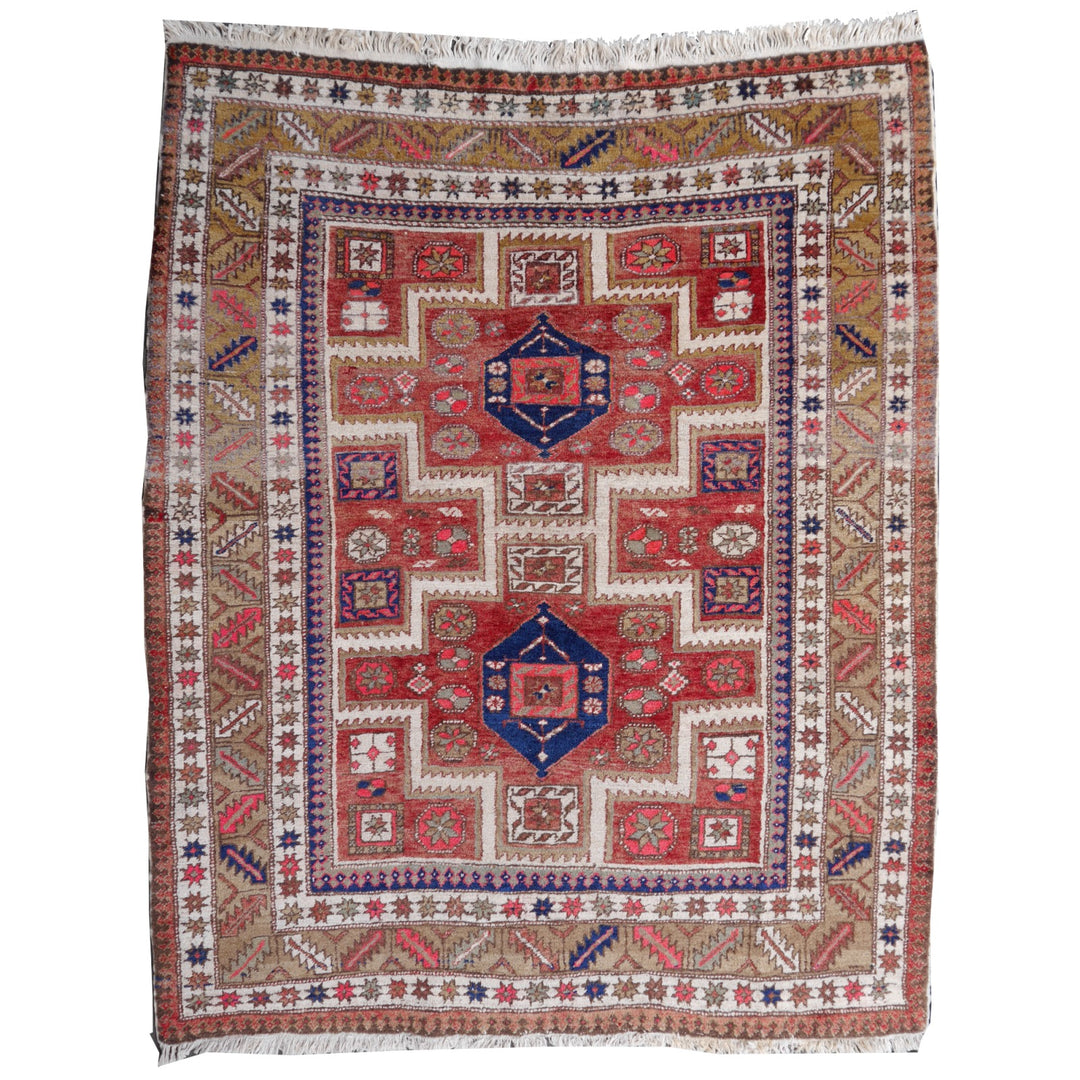
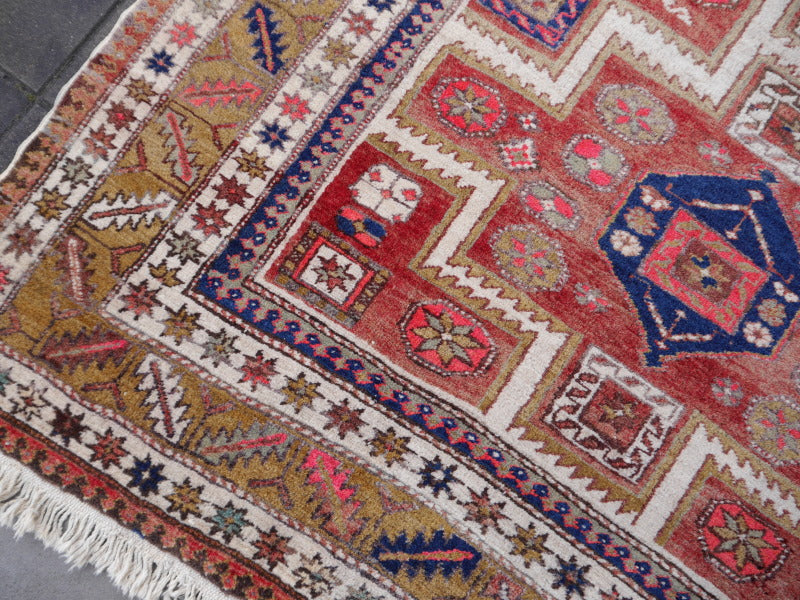
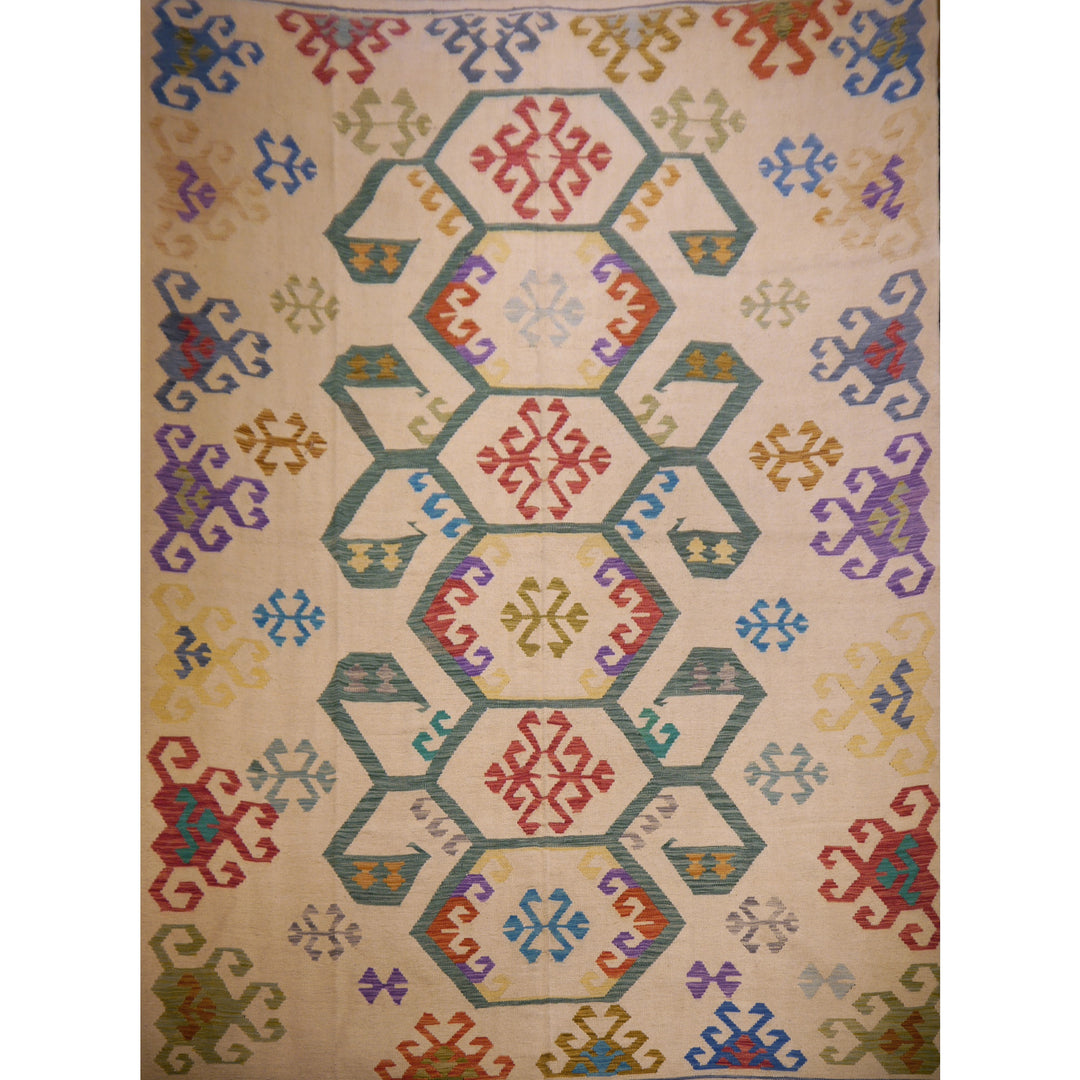
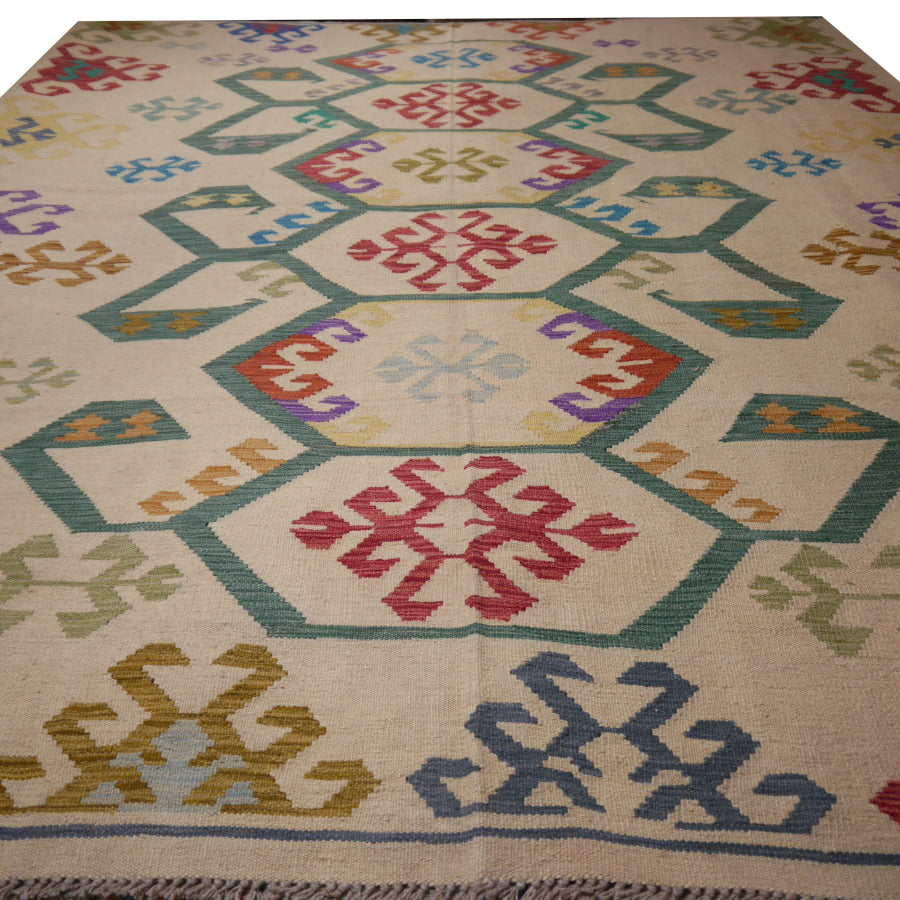
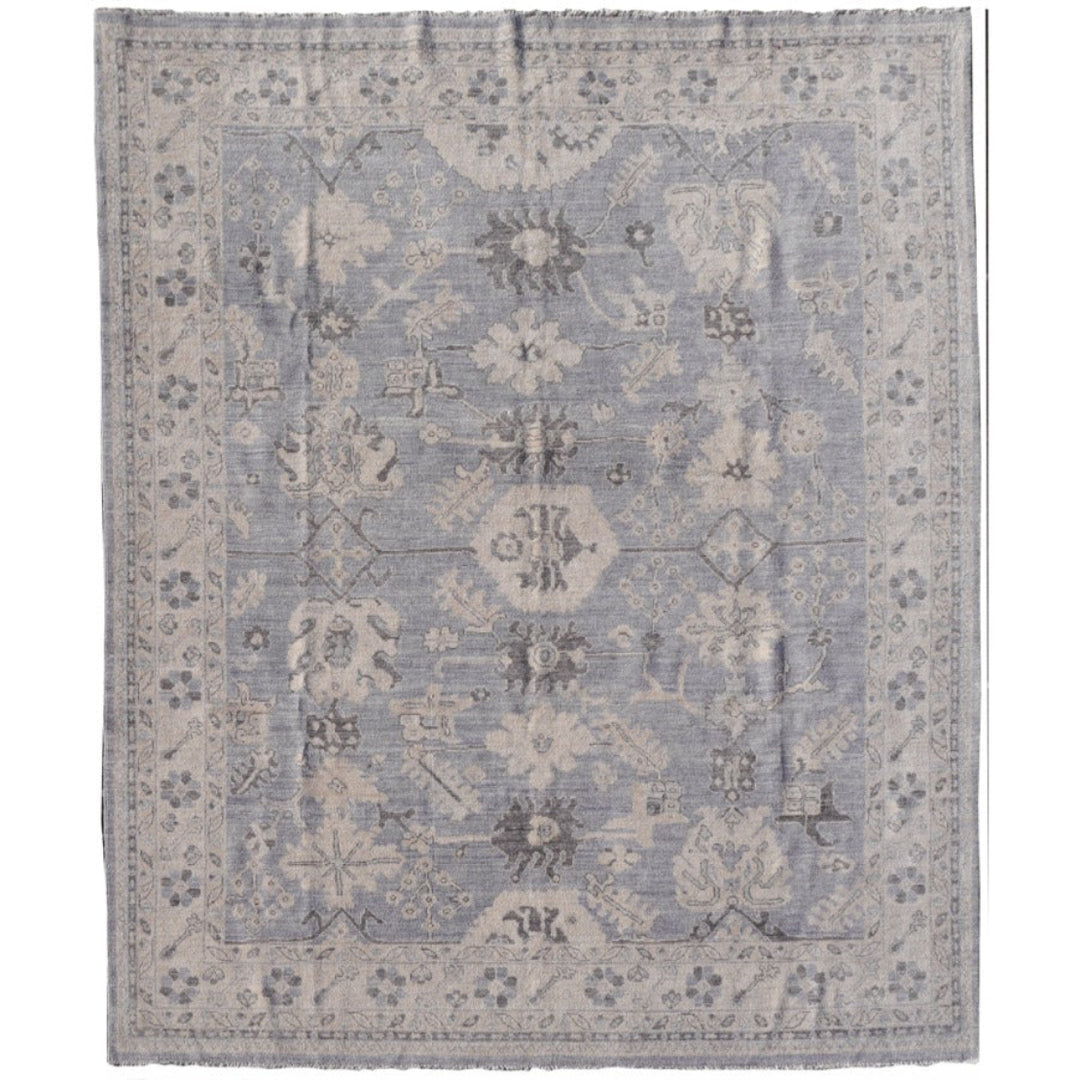
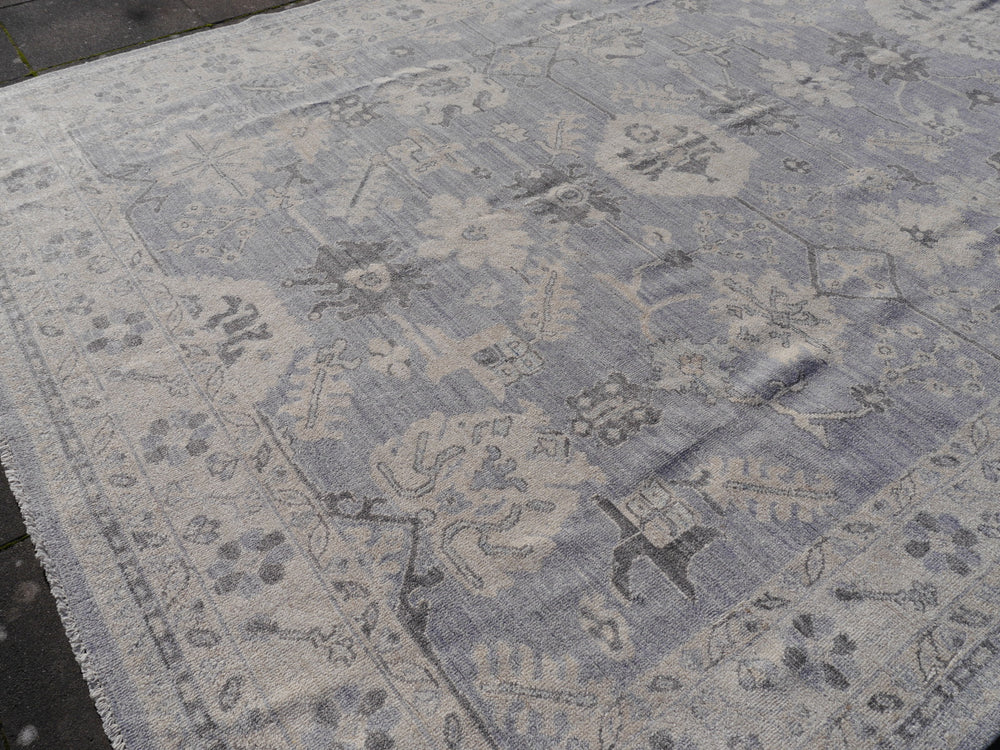
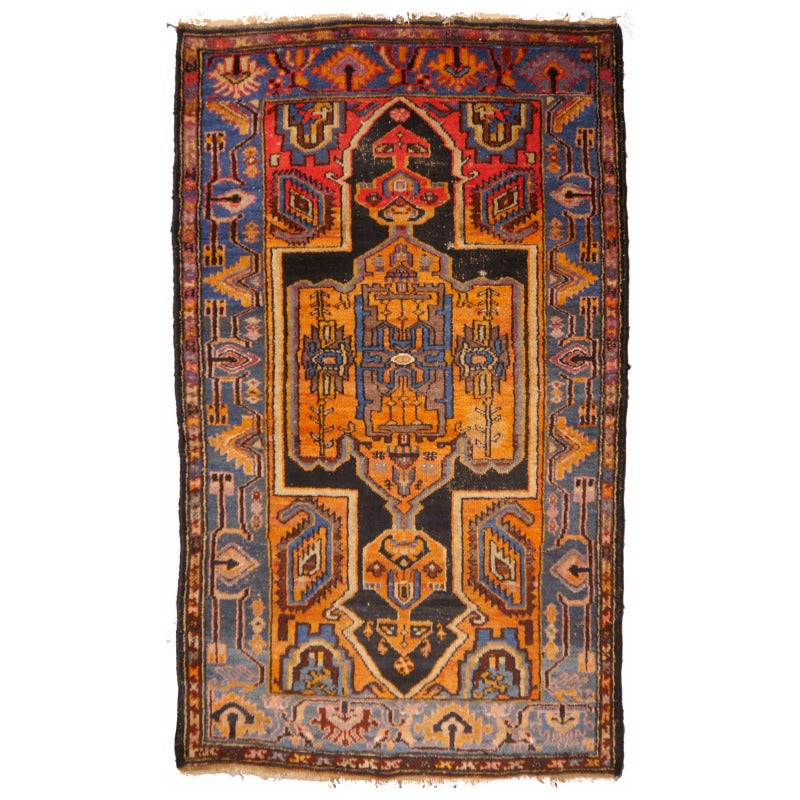
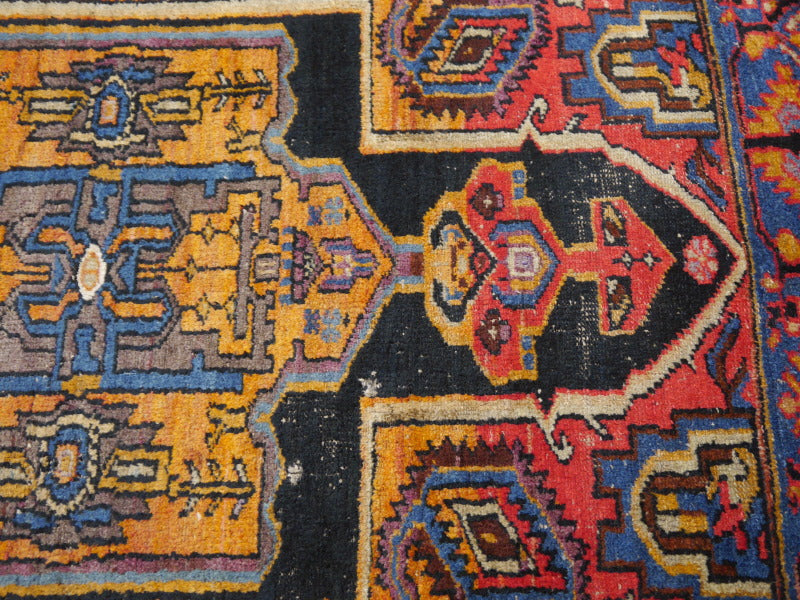
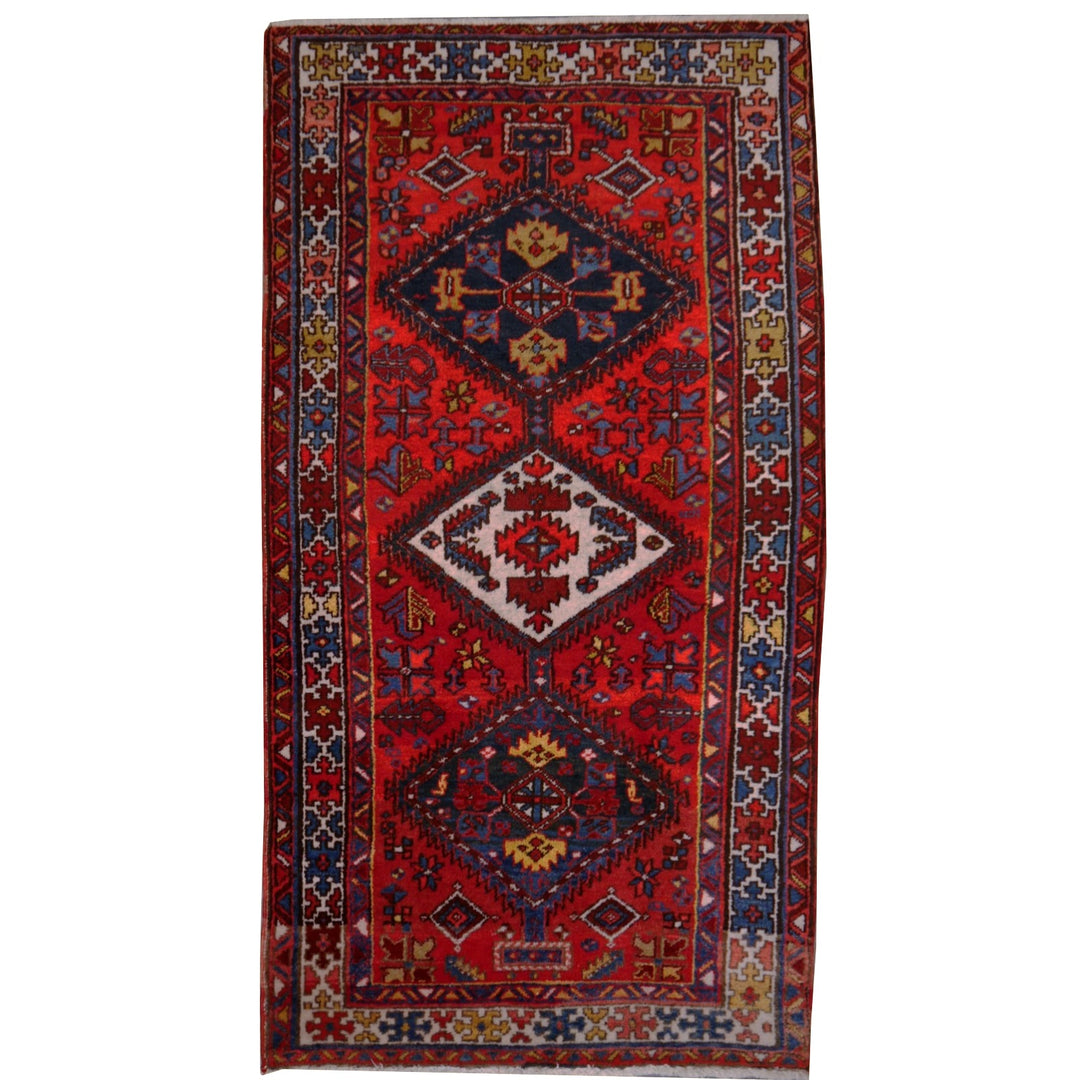
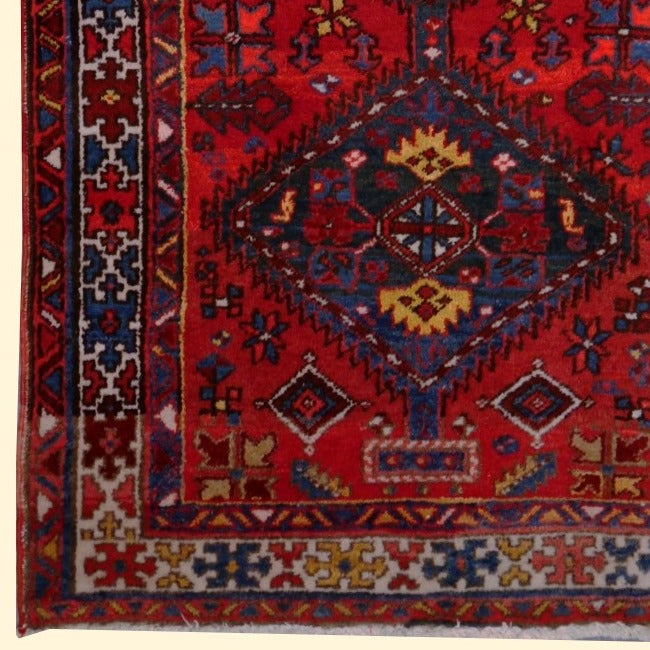
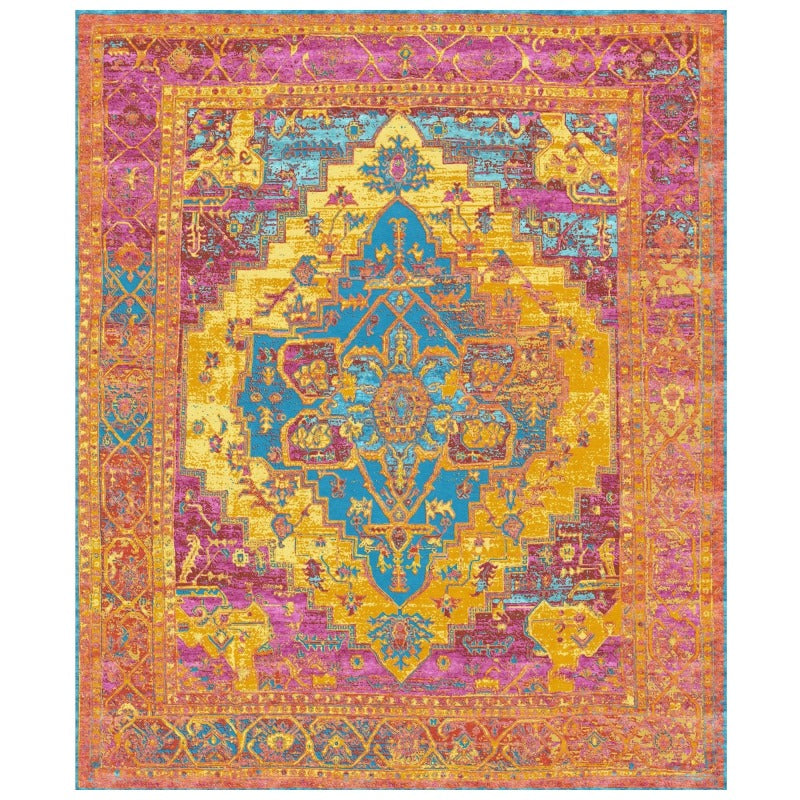
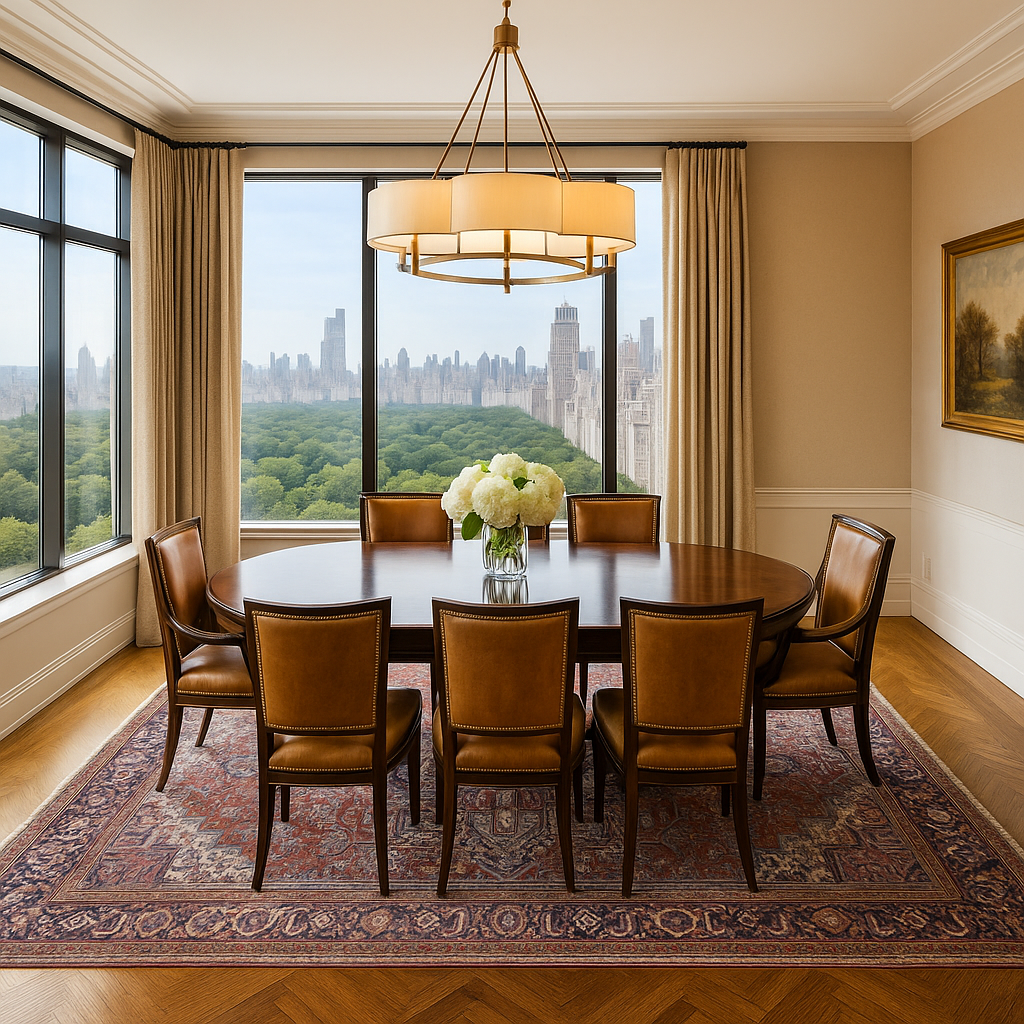

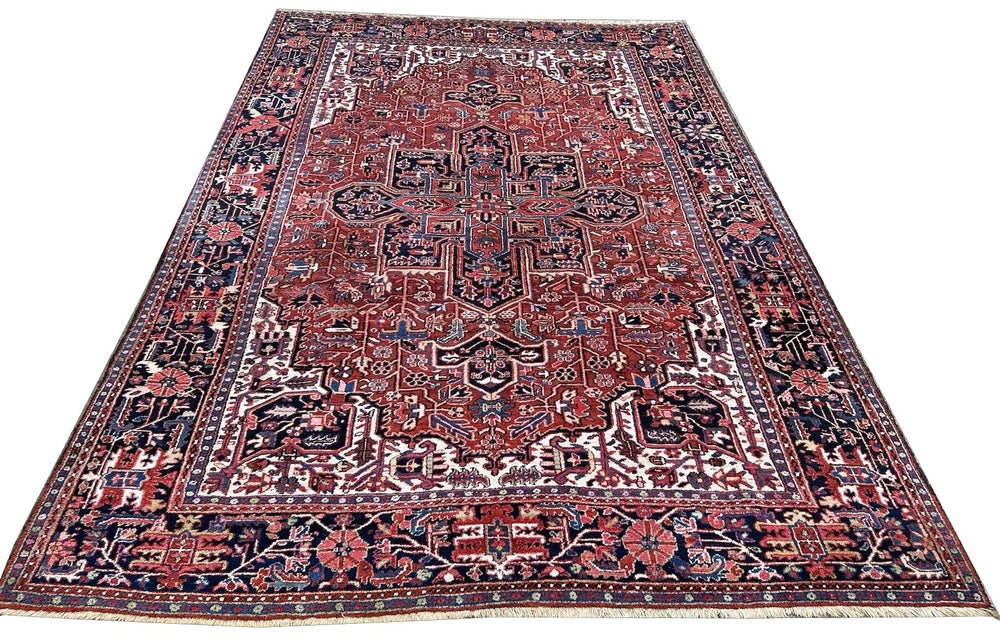
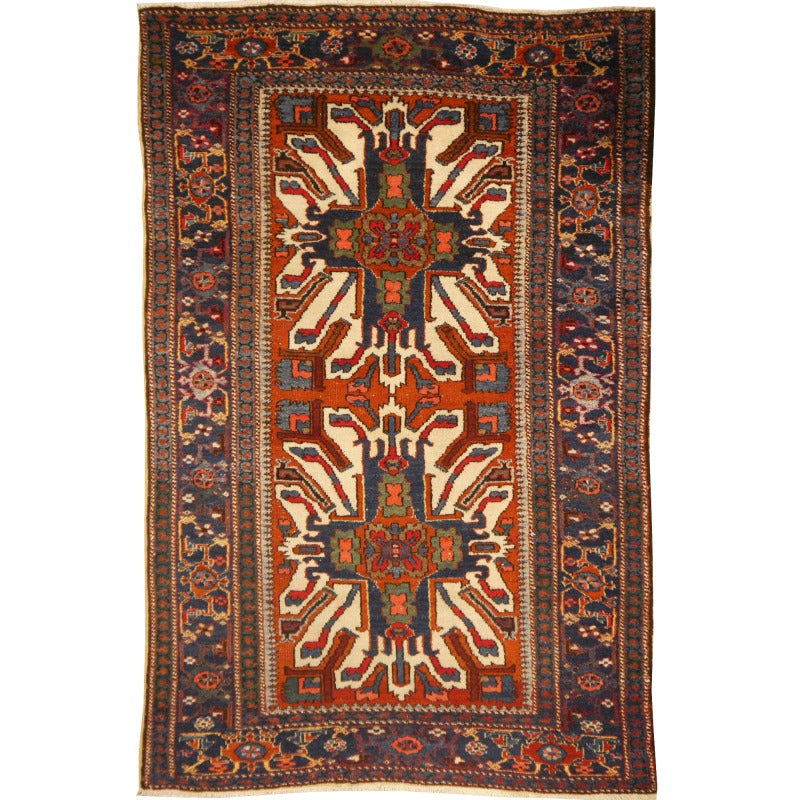
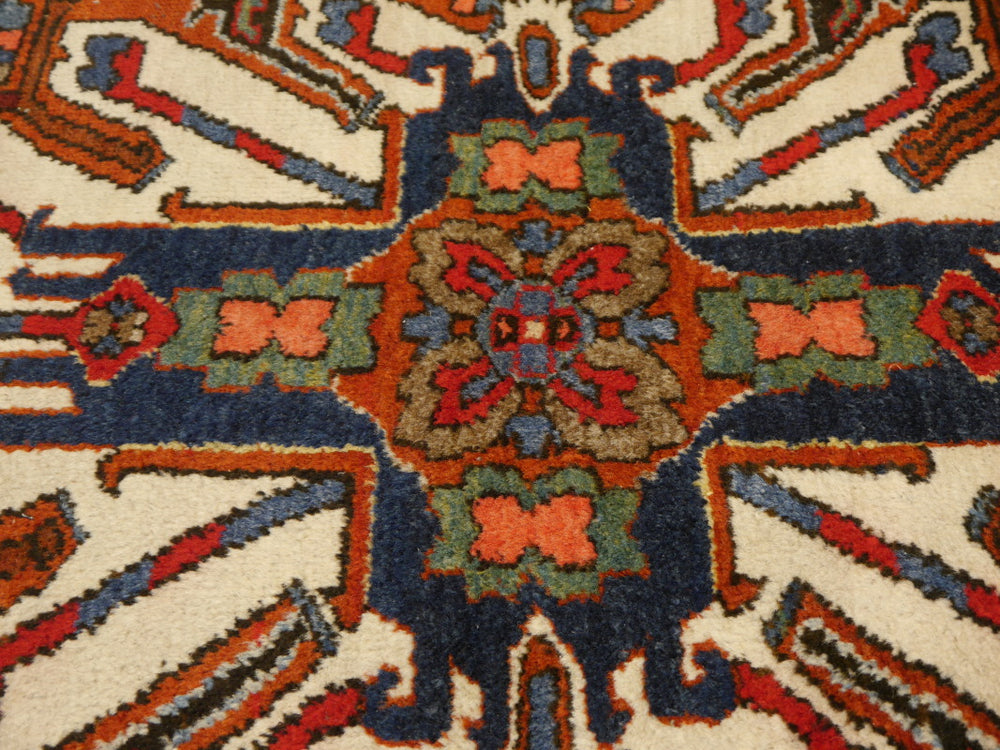
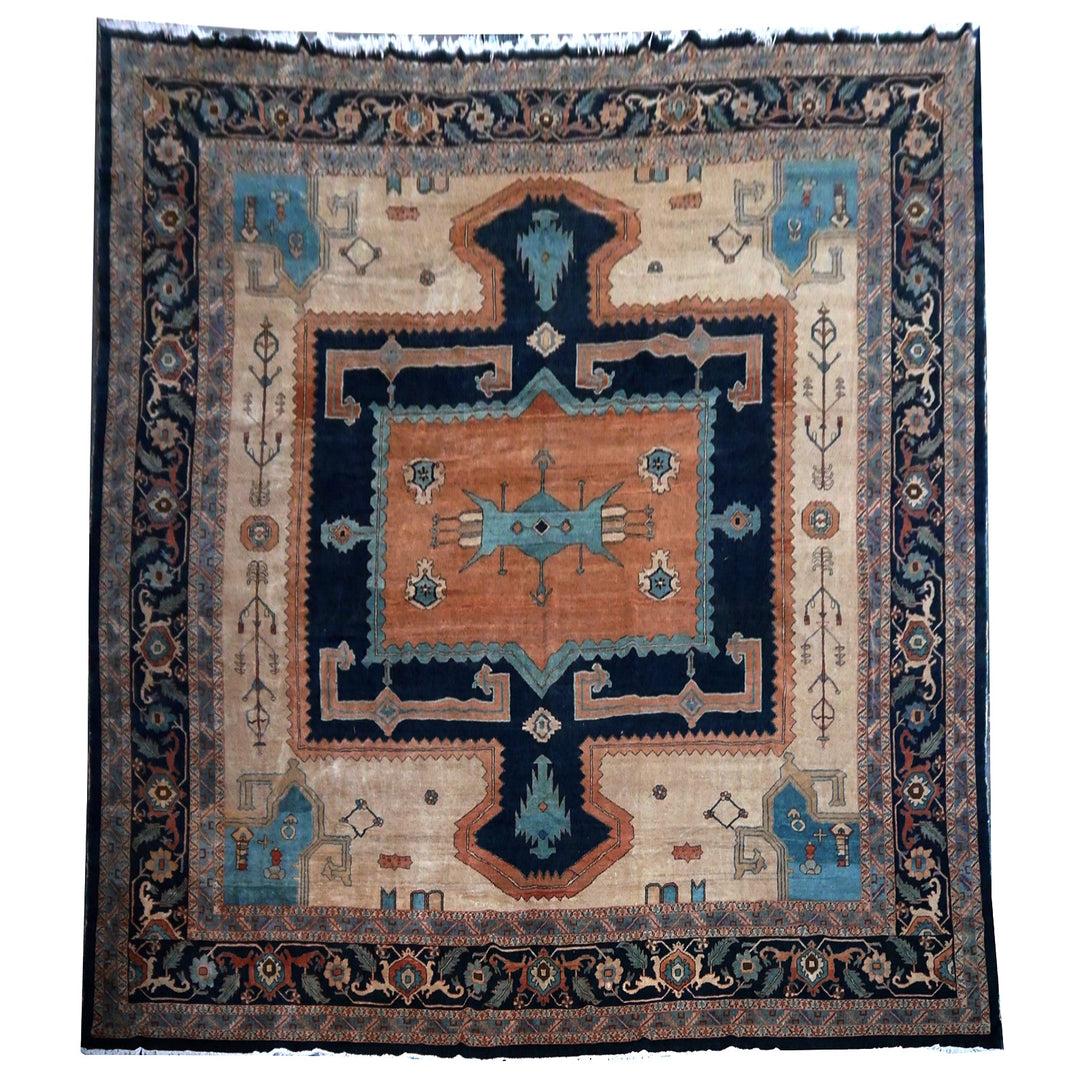
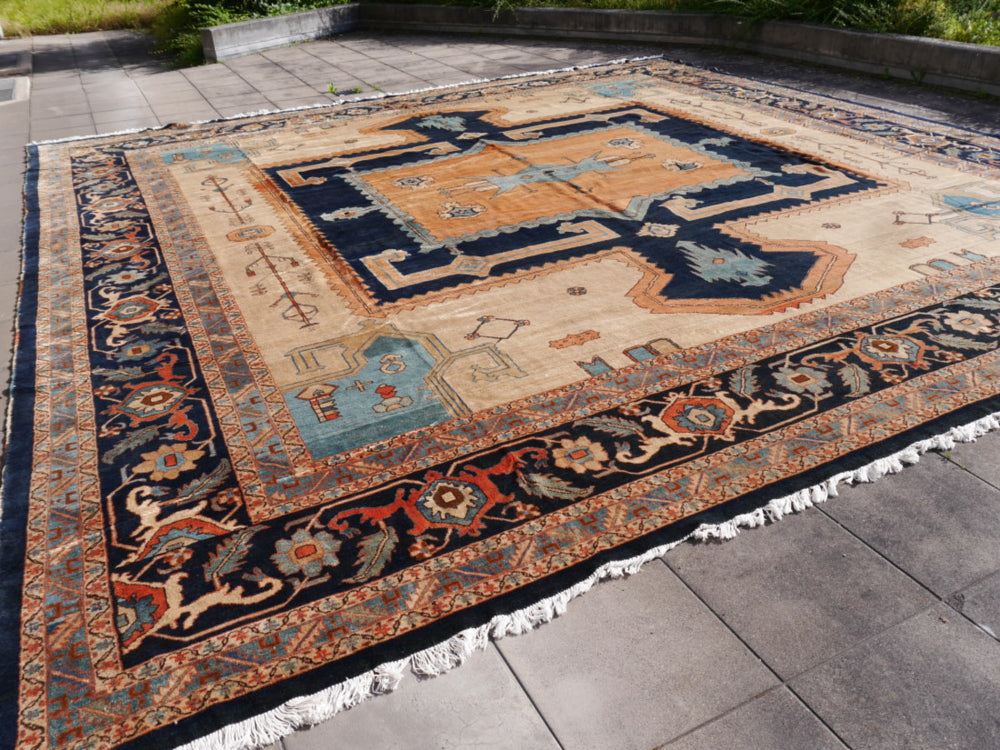


Heriz Persian Antique and Vintage Rugs
Heriz Rugs: A Legacy of Bold Elegance and Timeless Craftsmanship
Heriz rugs are celebrated for their distinctive geometric patterns, vibrant colors, and rich cultural history. Originating from the Heriz region in northwest Iran, these rugs are renowned for their durability and artistic appeal, making them a sought-after choice for collectors and interior decorators. Whether you're drawn to the allure of antique Heriz rugs or the timeless beauty of modern reproductions, each Heriz rug tells a story of meticulous craftsmanship and bold design.
Rich Materials & Exceptional Craftsmanship
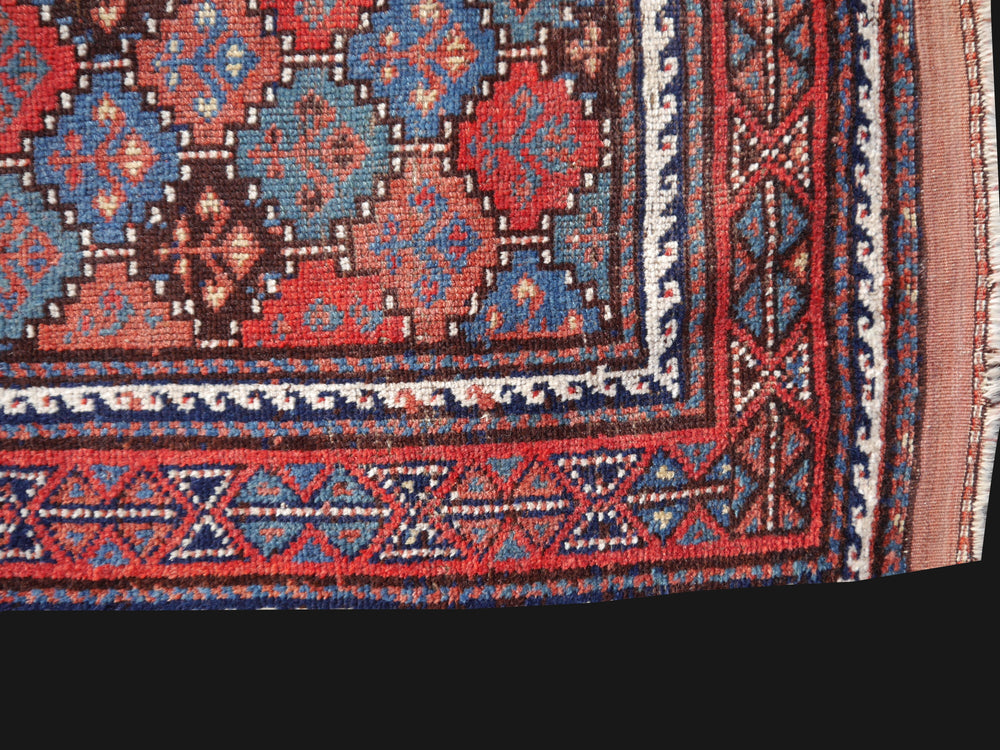
Heriz rugs are handwoven using high-quality wool, carefully selected for its softness and resilience. The wool is often dyed with natural pigments, resulting in deep, earthy tones that stand the test of time. The use of wool ensures these rugs are not only visually striking but also durable enough to last for generations. The knotting technique in Heriz rugs is known for its tight, consistent knots, providing both strength and longevity.
Color Combinations & Iconic Patterns
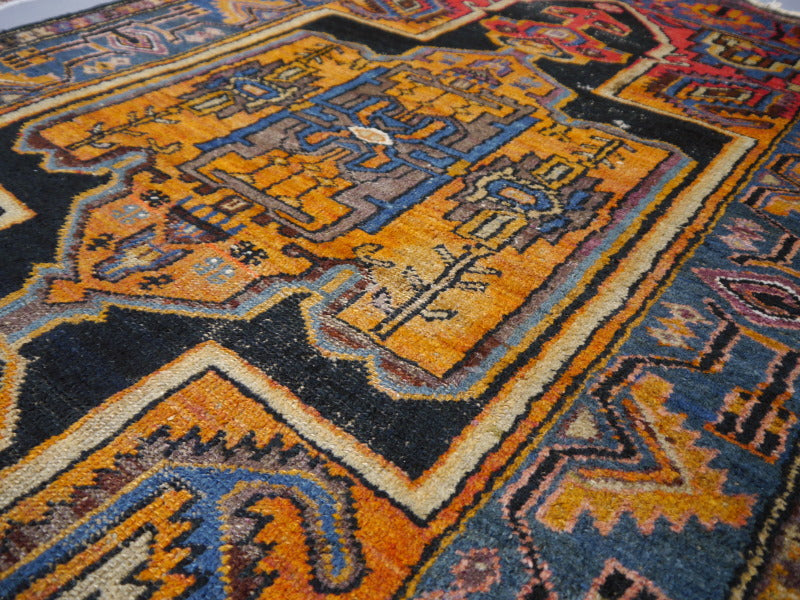
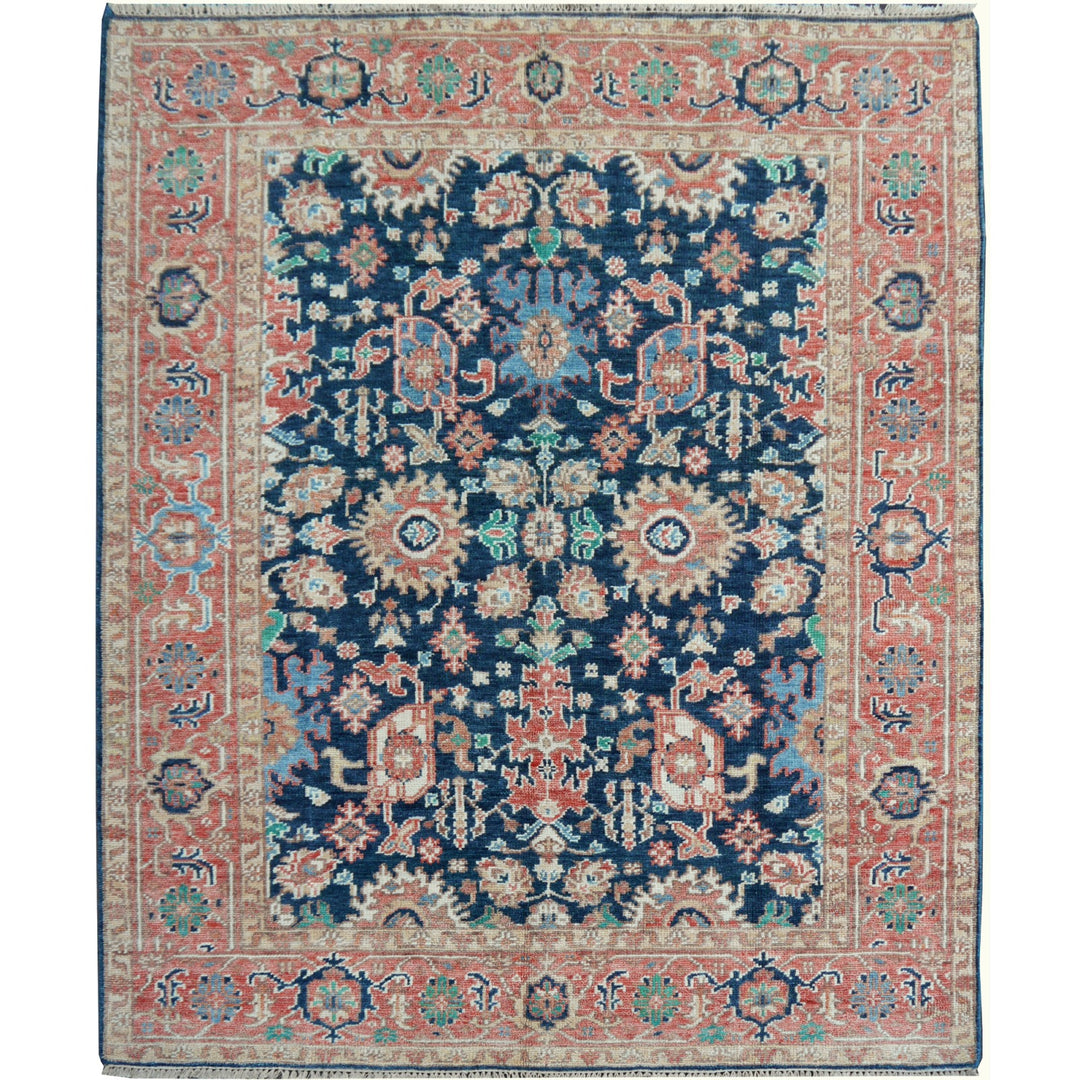
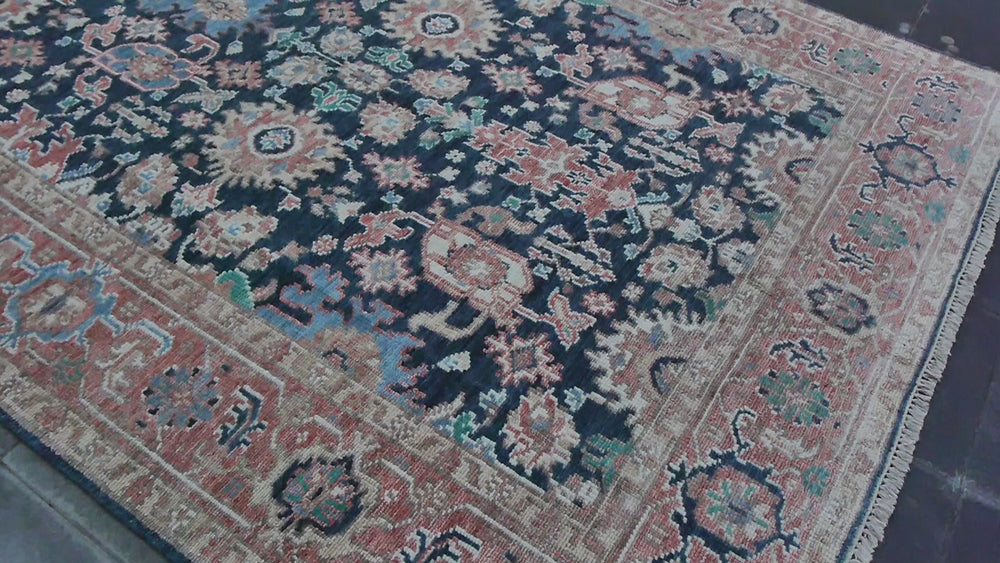
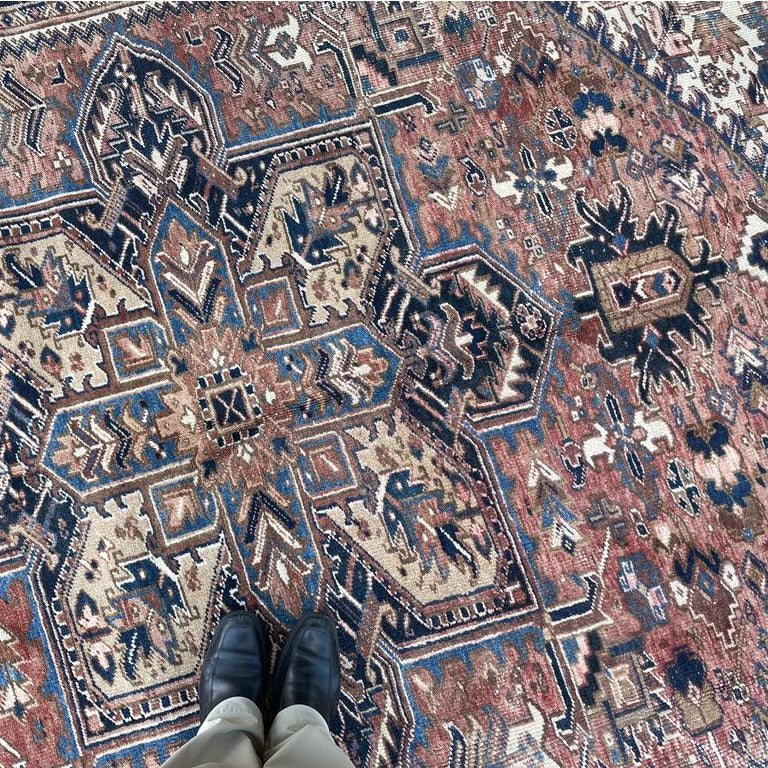
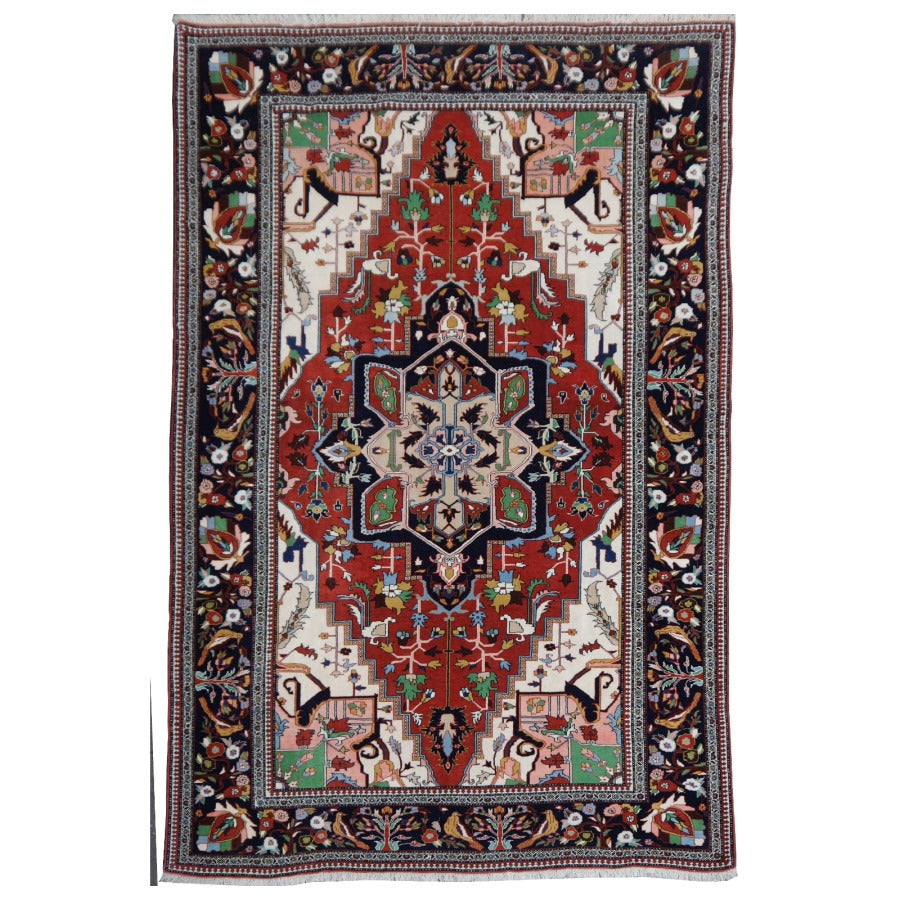
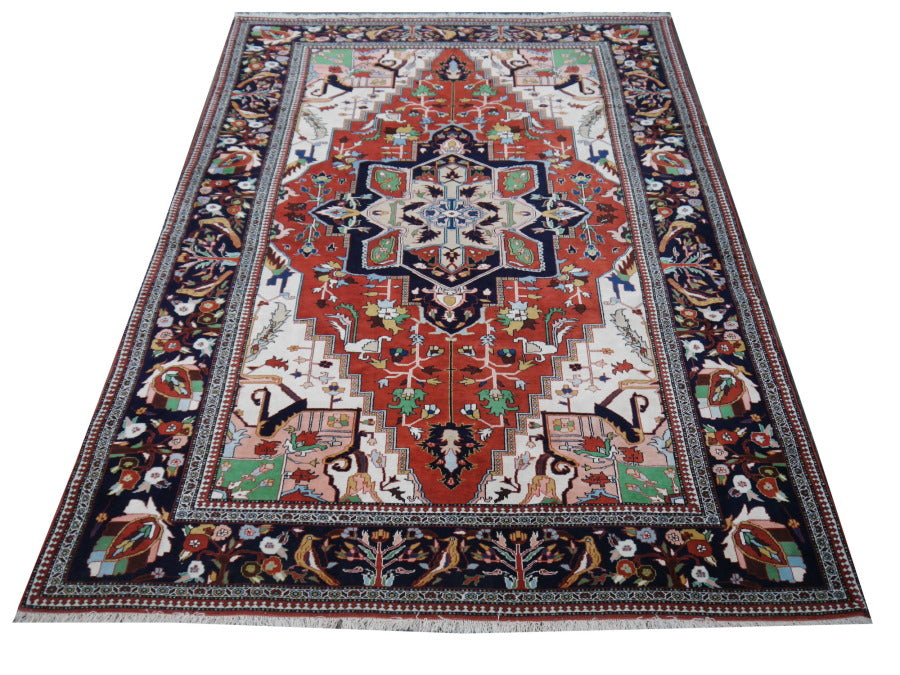
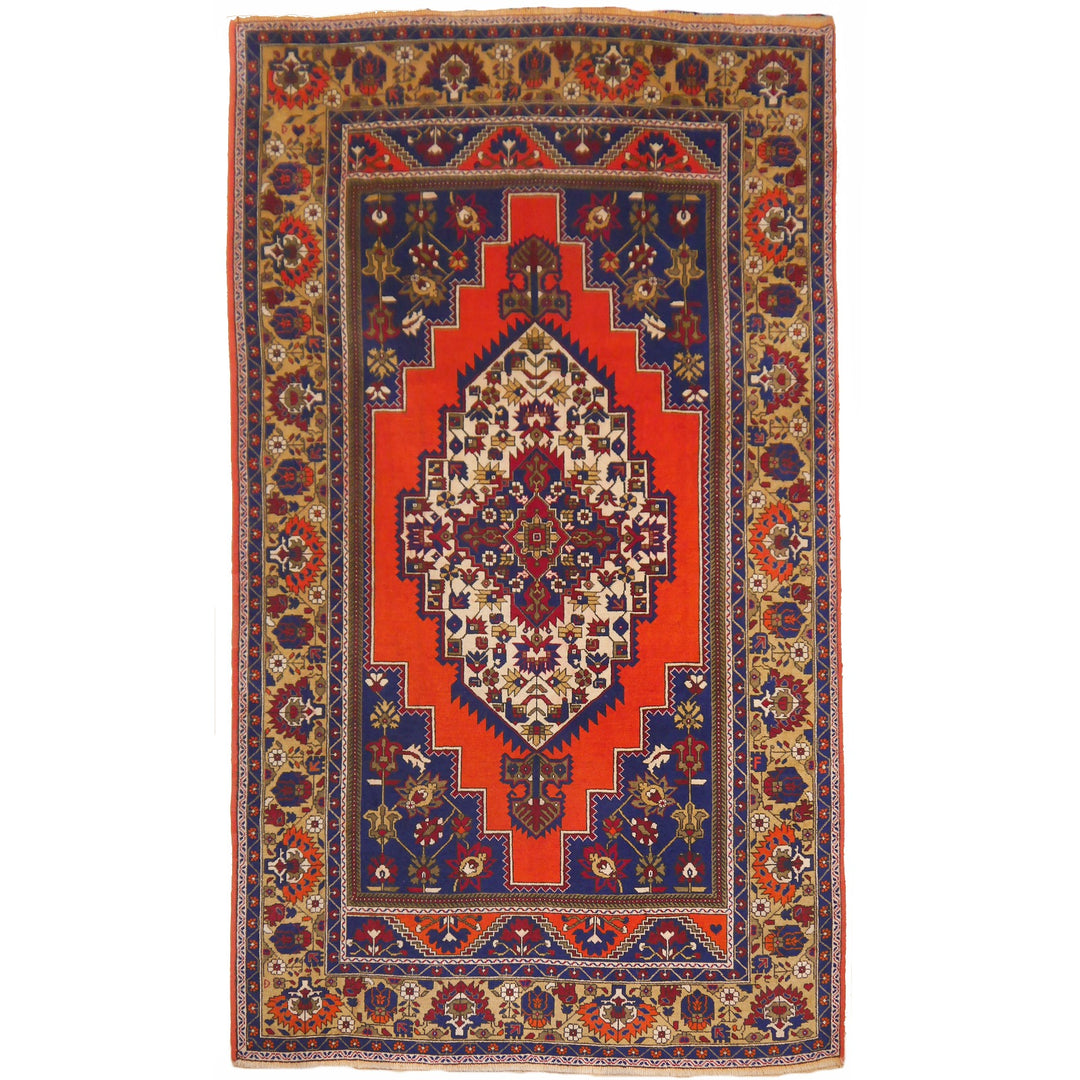
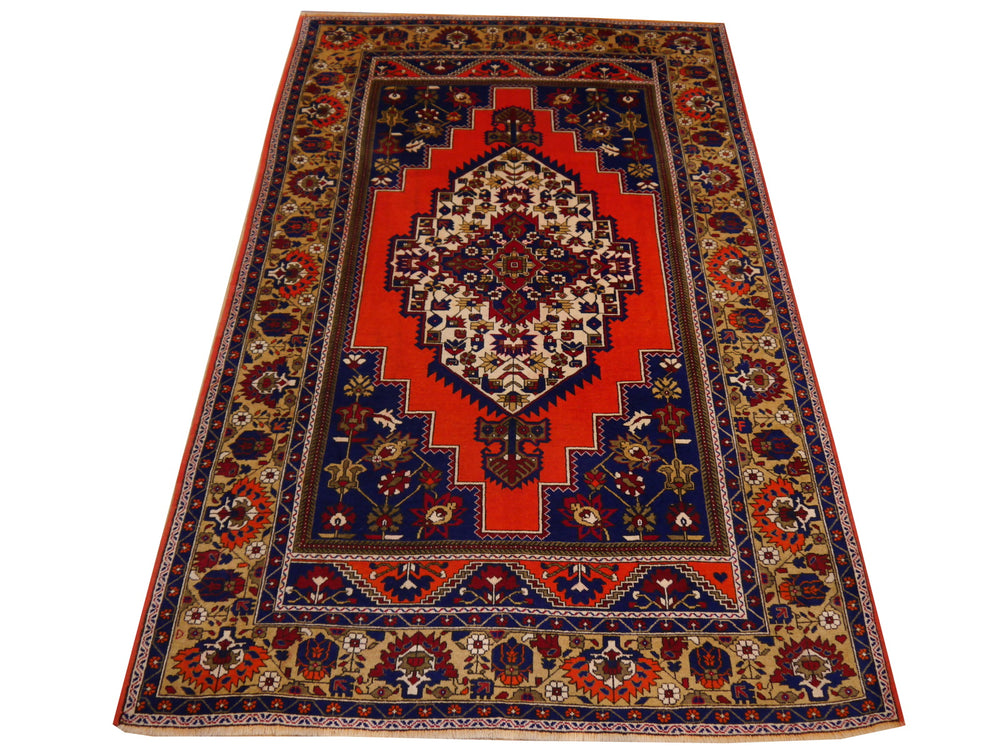
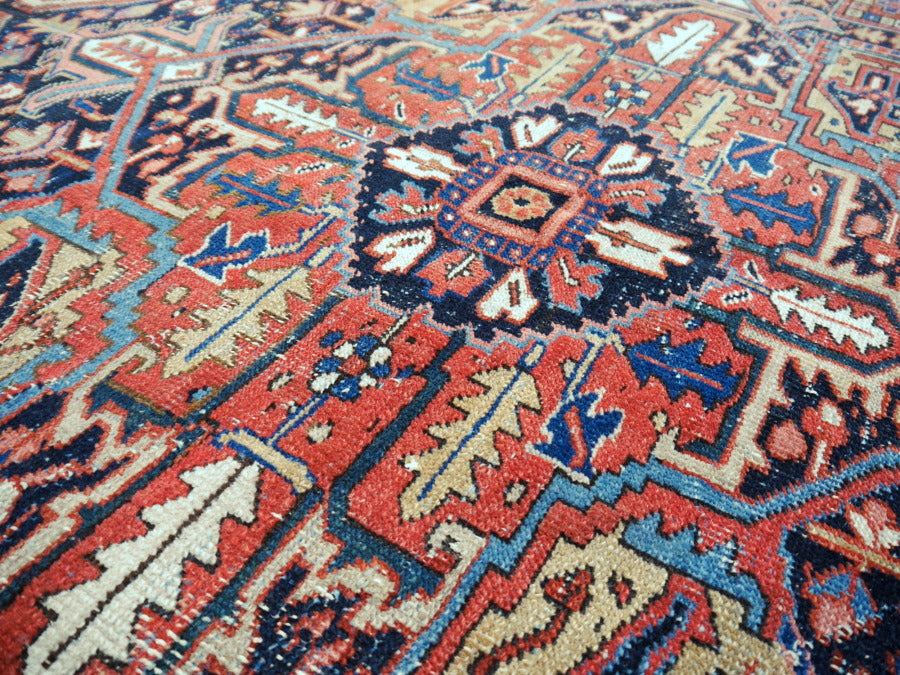
One of the most striking features of Heriz rugs is their vibrant, contrasting color schemes. The typical palette includes rich reds, deep blues, warm oranges, and golden yellows, often set against a bold field of ivory, beige, or dark brown. These colors are balanced with intricate patterns that range from geometric medallions to elaborate borders, giving each rug a sense of movement and vitality.
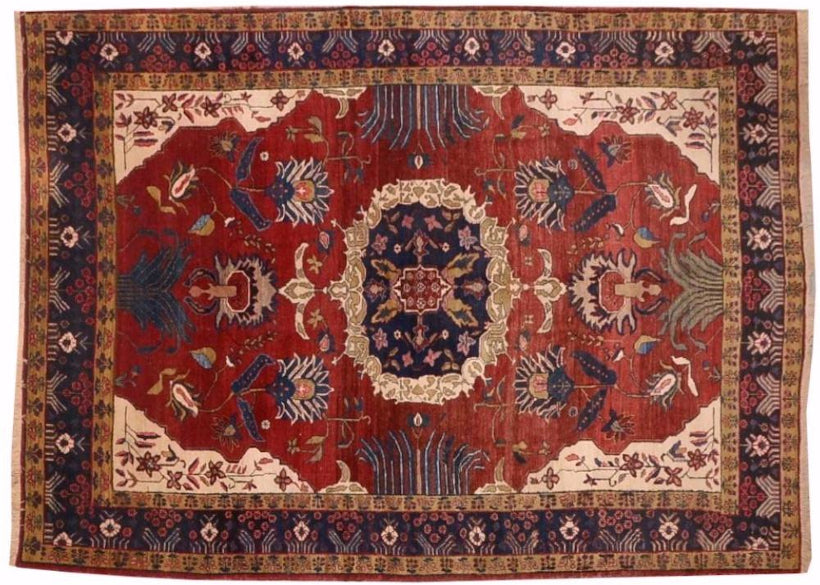
Heriz rugs also include motifs inspired by nature, tribal symbolism, and Persian traditions. The designs often feature large central medallions, with geometric and floral elements surrounding them, creating a dramatic focal point. These bold designs are complemented by detailed corner motifs and intricate borders, making each Heriz rug a statement piece.
Antique Heriz Rugs: Timeless Masterpieces
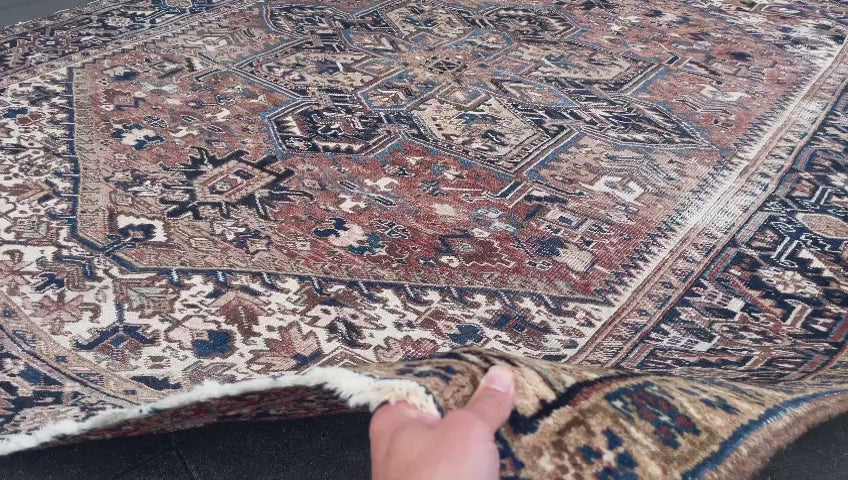
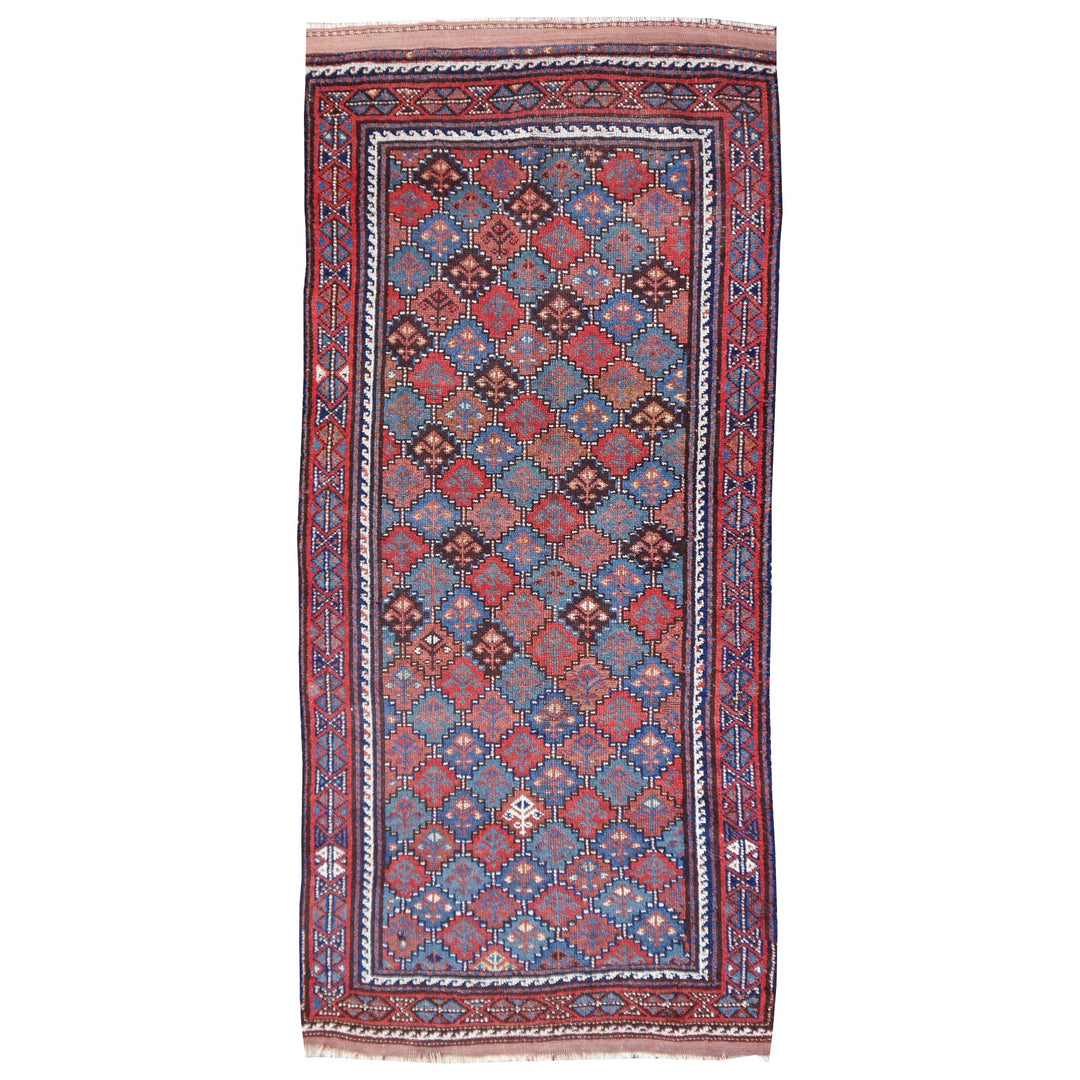
Antique Heriz rugs, particularly those crafted in the 19th and early 20th centuries, are prized for their historical significance and exquisite craftsmanship. These vintage pieces often showcase unique color variations, subtle abrashed (faded) effects, and signs of age that add to their character and charm. Antique Heriz rugs are highly collectible, with many featuring traditional designs that have stood the test of time.
Bakhshayesh & Serapi: The Heritage of Heriz Rugs
Heriz rugs are often associated with neighboring rug-producing regions such as Bakhshayesh and Serapi. While Heriz is known for its distinctive geometric patterns and bold colors, Bakhshayesh rugs are often characterized by their more intricate and finer knotting, with designs that lean more towards curvilinear motifs. Serapi rugs, a type of Heriz rug, are renowned for their luxurious wool, larger-than-life medallions, and rich, saturated colors, making them a standout in any room.
Why Choose a Heriz Rug?
Heriz rugs are the perfect blend of strength, beauty, and history. Their bold patterns and rich color combinations make them ideal for adding a focal point to your home, while their durability ensures they stand up to the rigors of daily life. Whether you’re interested in an antique Heriz for its timeless appeal or a modern reproduction for its vibrant design, Heriz rugs remain a classic choice for interior décor.
With their enduring charm and excellent craftsmanship, Heriz rugs are not just floor coverings—they are pieces of art that reflect the culture and tradition of one of the most esteemed rug-making regions in the world.
Antique Heriz rugs are hand knotted in north eastern Persia in the town of Heriz in a region named Azerbaijan.
Typical design of Heriz rugs is a geometric style with graphic designs. The motives are strongly influenced by near by Caucasian rug designs.
Colors:
The main color sheme is typical Persian: red field and blue border. The field color is found from a light salmon tone to dark brown and blue. Less common are Heriz rugs with all over design and creme field.
Production:
Heriz rugs are very dense and durable.
They have thick warp strings made of cotton and a wool pile. The knot density is rather low. Heriz rugs are made in the towns of Heriz, Ahar, Gerawan, Ardebil, Karaja, Mehraban and Sarab. Rugs with Heriz style are also made in India, Pakistan, Afghanistan, Turkey and Azerbaijan. Most common sizes are 8 x 11 ft, 9 x 12 ft, 10 x 13 ft and runners. Oversized rugs were made at the beginning of the 20th century for western markets. Very fine quality rugs are often called Serapi or Bakhshayesh.

Most common sizes are large room size carpets. 8 x 11 ft, 9 x 12 ft, 10 x 14 ft, 11 x 15 ft, 12 x 18 ft. 20 x 16 ft.